
This article was written in collaboration with SGX. All views expressed in this article are the independent opinion of DollarsAndSense.sg based on our research, and is purely for informational purposes and should not be relied upon as financial advice. DollarsAndSense.sg is not liable for any financial losses that may arise from any transactions and readers are encouraged to do their own due diligence. You can view our full editorial policy here.
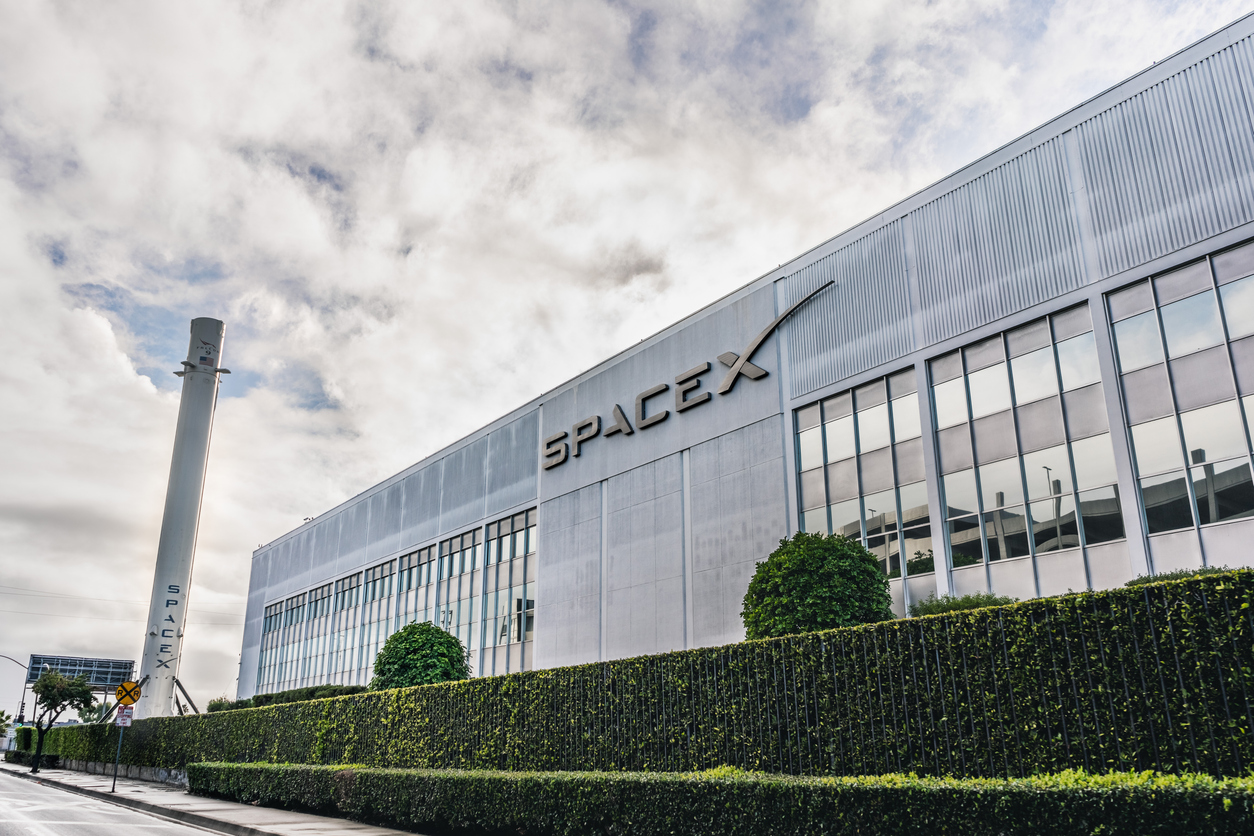
SpaceX’s entry into the US public markets has attracted considerable investor attention. The company operates the Starlink satellite internet network and develops launch vehicles such as Falcon 9 and Starship.
For Singapore investors, however, gaining exposure to SpaceX or other US-listed companies can involve several practical hurdles. These include trading during US market hours, converting Singapore dollars into US dollars, paying foreign-exchange costs and using a brokerage account that supports US market trading. Depending on the company’s share price or minimum trade size, investors may also need to commit more capital than they are comfortable with.
SGX’s new US Singapore Depository Receipts, or SDRs, provide another way to access SpaceX, Sea and Grab. Investors can trade these SDRs during SGX market hours, settle their transactions in Singapore dollars and start with smaller trade sizes. Eligible dividends from the underlying companies are also distributed in Singapore dollars.
Like Singapore-listed shares, SDRs can be bought and sold through participating brokers and held in the Central Depository, or CDP. Their prices reflect the value of the underlying overseas-listed shares, as well as movements in the relevant exchange rate.
But SpaceX is only one part of the SDR story. Together with existing SDRs linked to companies listed in Hong Kong, Thailand and Indonesia, the expanded line-up allows Singapore investors to begin building exposure across different markets, sectors and investment themes through SGX.
How $1,000 Can Start A Global Portfolio
Investing overseas is sometimes seen as something that requires a large amount of capital. In practice, a modest capital of just $1,000 may be enough to own a slice of the world’s most exciting companies across multiple continents.
Depending on market prices, an investor could potentially gain exposure to a mix of US technology and consumer names, Hong Kong-listed China leaders, Thai blue chips and Indonesian growth companies all through SGX and in Singapore dollars.
For example, investors could consider thematic exposures across geographies from the US to Asia:
| Theme | Possible Exposure | Examples |
| AI And Digital Infrastructure | Space technology, semiconductors, cloud services and digital infrastructure | SpaceX, Alibaba, Tencent, SMIC, Delta Electronics |
| Consumer And Lifestyle Growth | E-commerce, mobility, travel and everyday consumer spending | Sea, Grab, Pop Mart, Trip.com, Indofood CBP |
| Financials And Potential Income | Banks with exposure to different Asian markets | HSBC, Bank of China, Kasikornbank, Bank Central Asia |
An investor does not need to own every company listed above. With S$1,000, it may be more practical to select a few complementary exposures and add to them gradually.
Investors should also account for brokerage fees, changing market prices and the risk of spreading a small sum too thinly. Although SDRs are traded in Singapore dollars, currency movements can still affect returns because their values remain linked to the underlying overseas-listed shares and currencies.
Trading hours are another consideration. The regular US trading session starts at 9.30pm or 10.30pm Singapore time, depending on daylight saving time, and ends early the next morning. While investors can place orders in advance, actively following the market is challenging compared to trading during Singapore hours.
SpaceX and Sea shares cost about US$115 and US$104 respectively. While not prohibitively expensive, these prices may still make it harder for younger investors to start small, invest incrementally or rebalance without committing more capital. Fractional shares can help, but they are not available on every platform or for every security.
What SDRs Are & How They Work
Singapore Depository Receipts are SGX-listed instruments that represent an interest in shares of a company listed on an overseas exchange. Instead of buying the overseas-listed share directly, investors buy an SDR backed by the underlying shares, which are held by a depositary or custodian.
Similar to local stocks, SDRs are traded on SGX during Singapore market hours, settled in Singapore dollars and can be held through the Central Depository, or CDP. If the underlying company pays a dividend, eligible SDR holders will generally receive the corresponding distribution in Singapore dollars, after any applicable taxes, fees or deductions. An SDR’s price is based on the underlying share price, the relevant exchange rate and the applicable conversion ratio.
For example, a conversion ratio of 10:1 means 10 SDRs represent one underlying share. This lowers the price of each SDR unit and can make it easier to invest in smaller amounts.
The difference can be even more significant for some Hong Kong-listed companies, where investors may need to purchase a full board lot of the underlying shares. For example, the minimum investment for CATL and SMIC shares was approximately $11,934 and $7,599, respectively, compared with around $387 and $293 through their corresponding SDRs. More broadly, many Hong Kong SDRs can be accessed with a few hundred dollars, depending on prevailing prices and board-lot requirements.
Investors can trade the SDRs in Singapore dollars without separately converting funds into US dollars. However, movements in the US dollar-Singapore dollar exchange rate will still affect the value of the SDRs.
| SDR Name | SDR Ticker | Ratio | SDR Board Lot | SDR Minimum Investment (S$)* | Overseas Shares Minimum Investment (S$)* |
| Grab US SDR 2to1 | UGBD | 2:1 | 10 | 24 | 5 |
| Sea US SDR 50to1 | UGGD | 50:1 | 10 | 24 | 124 |
| SpaceX US SDR 100to1 | UXSD | 100:1 | 10 | 22 | 221 |
| Laopu Gold HK SDR 50to1 | HLPD | 50:1 | 100 | 115 | 13,500 |
| CATL HK SDR 30to1 | HCCD | 30:1 | 100 | 387 | 11,934 |
| HSBC HK SDR 5to1 | HSHD | 5:1 | 100 | 485 | 10,057 |
| SMIC HK SDR 5to1 | HSMD | 5:1 | 100 | 293 | 7,599 |
| Tencent HK SDR 10to1 | HTCD | 10:1 | 100 | 714 | 7,307 |
*As at end Jun26
Three Companies, Three Investment Themes
The introduction of US SDRs builds on a programme that has expanded over the past few years.
In 2023, the first Thailand-linked SDRs were introduced followed by Hong Kong-linked SDRs in 2024 and Indonesian SDRs more recently. As of mid-2026, there are 38 SDRs linked to companies across four overseas markets, including the three new US counters.
According to SGX, daily SDR trading turnover reached about S$13 million as at 29 June 2026, more than three times the level a year earlier, while retail participation reached a record high in the first half of 2026. SDR assets under management stood at approximately $280 million as at 31 May 2026, up 153% year on year, with more than 80% held by retail investors. Consumer and financial counters have attracted the most interest, with Alibaba, BYD and JD.com among the names leading inflows during the year.
The three US SDRs provide exposure to different parts of the global and regional economy.
SpaceX (SGX: UXSD) represents the space technology and satellite connectivity theme. It operates launch vehicles including Falcon 9 and Starship, provides launch services, and runs the Starlink satellite broadband network. Before its US listing, SpaceX was privately held and largely inaccessible to ordinary public-market investors.
Sea Limited (SGX: UGGD) is familiar to many Singaporeans through Shopee, gaming business Garena and digital financial services arm Monee, formerly known as SeaMoney. Listed on the New York Stock Exchange, Sea provides exposure to Southeast Asia’s digital economy.
Grab (SGX: UGBD) also has a strong Singapore connection. The company began as a taxi-booking platform and its businesses today include ride-hailing, food and grocery delivery, and digital financial services.
SDRs Expand Your Investing Options, But Due Diligence Still Matters
SDRs give Singapore investors another way to access selected overseas companies through SGX, during Singapore market hours and in Singapore dollars. Their conversion ratios may also make it easier to invest in smaller amounts.
However, greater convenience does not mean lower risk. Investors remain exposed to the underlying company’s business performance, valuation, regulatory environment and share price movements. Currency risk also remains, while lower trading activity may result in wider bid-ask spreads or temporary price differences from the underlying shares.
SGX has also made clear that listing an SDR is not an endorsement of the underlying company, its management or its securities, and that SGX does not regulate the underlying issuer.
Ultimately, SDRs do not replace direct overseas investing and will not suit every investor. Before investing, investors should assess the underlying company, understand the costs and risks involved, and decide whether the SDR fits their portfolio.
Read Also: Investing In Overseas Stocks: What’s The Difference Between SDRs And Buying Overseas Directly?
Photo Credit: iStock/Sundry Photography


Family Planning
Cost Guide To International School Fees In Singapore


