

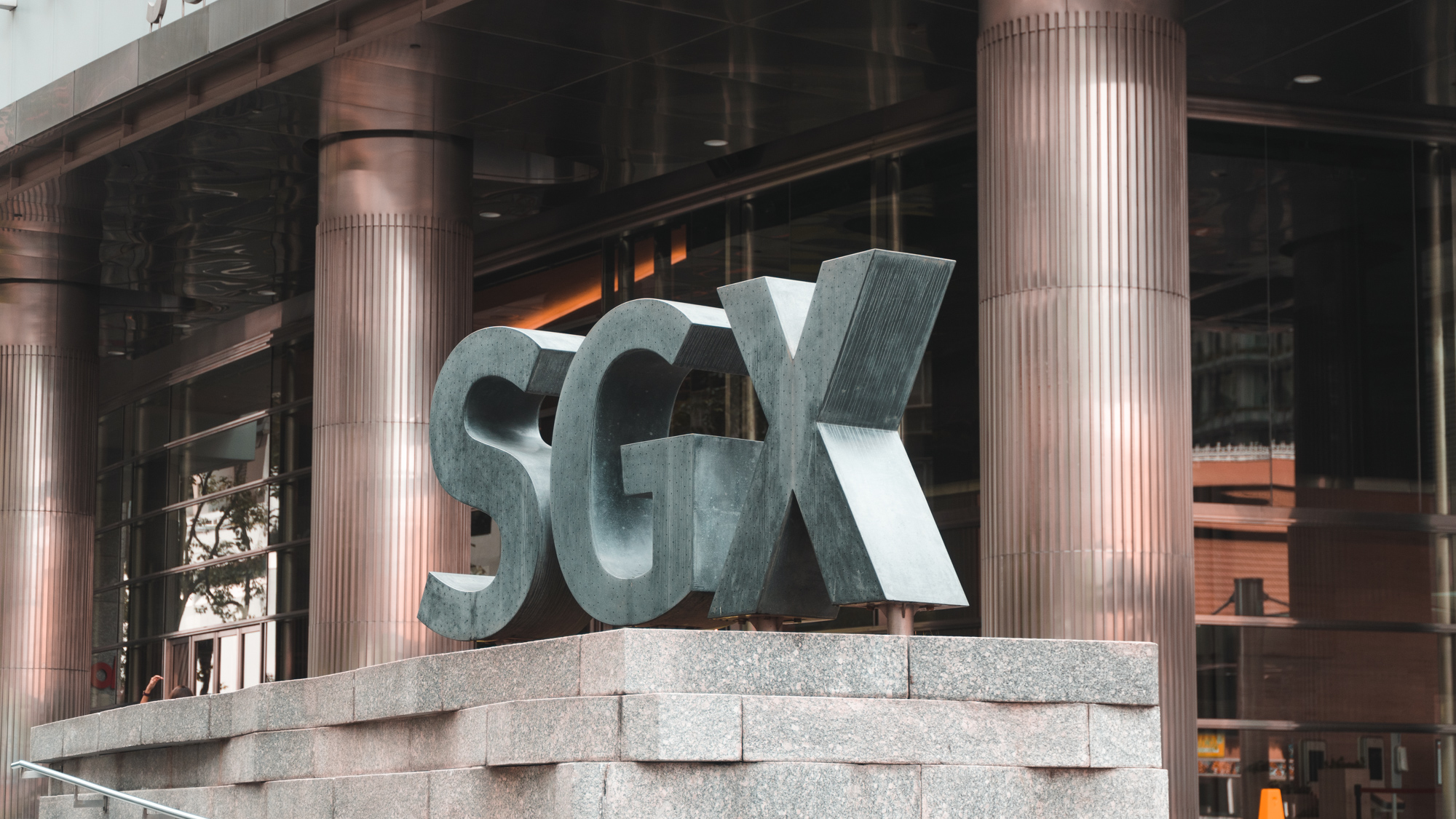
We are lucky here in Singapore because investors have more options than ever for accessing overseas stocks. You can buy shares directly on foreign exchanges like the New York Stock Exchange, the London Stock Exchange, or the Hong Kong Stock Exchange.
Alternatively, you can invest through Singapore Depository Receipts (SDRs), which trade on the Singapore Exchange (SGX). Both routes give you exposure to overseas-listed companies, but the way they work, the costs involved, and the risks you take on can differ in ways that meaningfully affect your returns over time.
What Exactly Are SDRs?
An SDR is essentially a certificate issued by a local depository bank that represents ownership in shares of a foreign company. The actual shares are held overseas by a custodian, while the SDR itself is traded on SGX in Singapore dollars. In simple terms, it acts as a local wrapper for a foreign stock, allowing investors to gain exposure without leaving the Singapore market ecosystem.
In Singapore today, SDRs provide access to companies listed in Thailand, Indonesia and Hong Kong, with a total of 32 SDRs currently available across these markets. The structure is similar to that of American Depository Receipts (ADRs) in the United States, which have long been used to give investors access to foreign companies on a local exchange.
Each SDR corresponds to a fixed number of underlying shares, based on a conversion ratio set at issuance, meaning one SDR could represent a fraction of a share or multiple shares, depending on its structure. Overall, SDRs are designed to lower the barrier to entry by allowing investors to trade in Singapore dollars and buy into overseas companies in smaller, more manageable amounts.
How Buying Overseas Stocks Directly Works
When you buy shares directly on a foreign exchange, you are purchasing the actual stock listed in its home market. This typically requires a brokerage account that offers access to international markets.
Because these trades are executed in the local currency of the market, you will need to convert your Singapore dollars into currencies such as US dollars or Hong Kong dollars. This conversion may happen automatically or as a separate step, depending on your broker. While this gives you direct ownership and full market exposure, it also adds an additional layer of cost. Currency conversion is rarely free, and the FX spread charged by brokers can reduce your returns, especially if you are investing smaller amounts or trading frequently.
Key Differences Between SDRs And Direct Overseas Investing
One of the most noticeable differences lies in how transactions are conducted and how currency exposure shows up in your portfolio. SDRs are traded and settled in Singapore dollars, which makes the process straightforward. However, the underlying investment is still denominated in a foreign currency, so exchange rate movements continue to affect your returns even if they are less visible. If the Singapore dollar strengthens against the underlying stock’s currency, the value of your SDR can decline despite strong performance in the home market.
Costs also differ between the two approaches. Direct investing can be cost-effective with low-cost brokers, but you will usually incur both trading commissions and currency conversion fees. SDRs eliminate the need for FX conversion at the point of purchase, since trades are executed in Singapore dollars, but they also introduce depository fees charged by the issuing bank. These fees are often deducted from dividends or reflected in prices, making them less visible but still present.
Dividends and corporate actions are also handled slightly differently. For SDRs, dividends from the underlying company are collected by the depository bank, converted into Singapore dollars, and distributed after fees are deducted. The final amount you receive can vary depending on exchange rates and timing. Corporate actions such as rights issues or voting may also be less straightforward, and SDR holders may have limited voting rights. In contrast, direct shareholders receive dividends in the original currency and retain full rights, making the process more direct and transparent.
Range Of Companies Available
When it comes to investment choice, direct overseas investing offers a much wider universe. Markets like the United States and Hong Kong have thousands of listed companies across different sectors and market capitalisations, giving investors the flexibility to build a highly diversified portfolio.
SDRs, by comparison, are limited to a relatively small pool of companies listed on SGX. This means that while SDRs can be useful for accessing specific names, they are unlikely to meet the needs of investors looking for broad global exposure.
Which Route Should You Take?
There is no single right answer, as the better option depends on your investment goals and preferences. SDRs can be a convenient choice if you prefer to keep everything within the Singapore market ecosystem, trade in Singapore dollars, and avoid the operational complexity of dealing with foreign markets.
On the other hand, buying overseas stocks directly is generally more suitable for investors who want access to a wider range of companies. With the rise of online brokers, accessing international markets has become significantly easier and more affordable, reducing many of the barriers that previously existed.
Read Also: How To Use SDRs to Build a Diversified Portfolio with Less Than $1,000
Photo Credit: DollarsAndSense/Moo Kar Ming


