
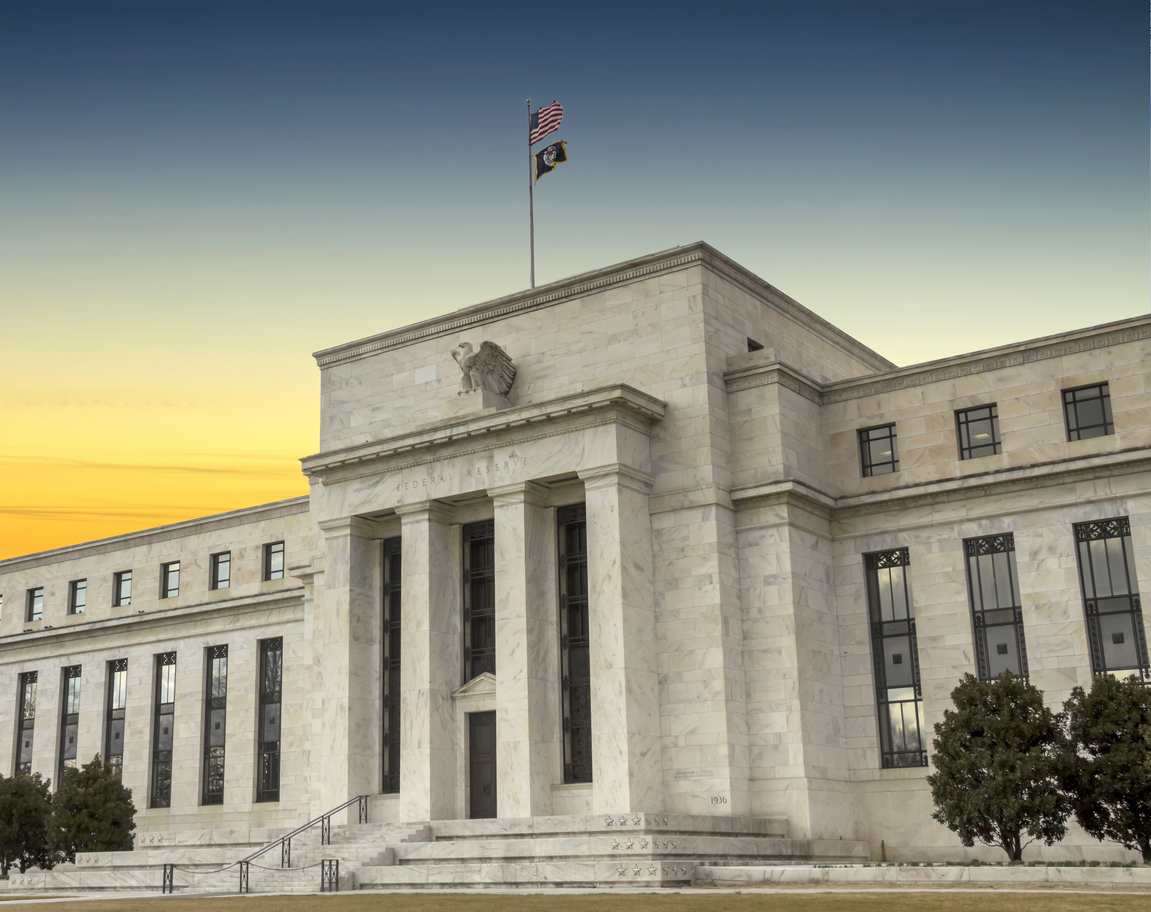
On 16 September 2026, the US Federal Reserve raised its benchmark interest rate by 0.25 percentage points, bringing the federal funds target range to 3.75% to 4.00%. The increase was intended to help bring US inflation back towards the Fed’s 2% target.
The US dollar is the world’s dominant international currency, with many international transactions, investments and loans denominated in US dollars. When US interest rates rise, US dollar-denominated investments become more attractive, encouraging investors to move money into these assets. This influences exchange rates and interest rates in other countries, including Singapore.
Here are three ways the Fed raising interest rates could affect our money in Singapore.
Our Mortgage Rates Could Increase, Making Homeownership More Expensive
For many Singaporeans, our home is likely our biggest financial commitment. Whether we are buying our first HDB flat, upgrading to a condominium, or servicing an existing mortgage, higher interest rates could mean higher monthly repayments.
Most floating-rate home loans in Singapore are benchmarked against the Singapore Overnight Rate Average (SORA). While the Fed does not directly set SORA, higher US interest rates can influence Singapore’s interest rate environment and the mortgage rates banks offer.
Consider a homeowner with an outstanding mortgage of $500,000 and 25 years remaining on the loan.
| Mortgage interest rate | Monthly instalment |
| 2.0% | $2,119 |
| 3.0% | $2,371 |
| 4.0% | $2,639 |
| 5.0% | $2,923 |
An increase in mortgage rates from 2% to 4% would raise the homeowner’s monthly instalment by approximately $520, or $6,240 a year.
Higher mortgage rates also affect prospective homebuyers, who may find that the same property becomes more expensive to finance even if its selling price remains unchanged. This could dampen property demand, although housing supply, household incomes and government cooling measures also influence property prices.
Homeowners with fixed-rate mortgages are generally protected from immediate interest rate increases during their fixed-rate period. Those with HDB concessionary housing loans are also affected differently, since their interest rate is pegged at 0.1 percentage points above the prevailing CPF Ordinary Account interest rate, rather than SORA.
#2 Bonds, T-Bills And Other Fixed-Income Investments Could Become More Attractive
While borrowers generally prefer lower interest rates, savers and investors looking for income may benefit when rates rise.
Higher market interest rates can translate into higher yields on newly issued bonds and other fixed-income investments, including Singapore Government Securities (SGS), Treasury Bills (T-bills), Singapore Savings Bonds (SSBs) and fixed deposits.
For example, an investor who puts $20,000 into a six-month T-bill offering an annualised yield of 2% would earn approximately $200 over six months. If the yield increases to 3%, the same investment would earn approximately $300.
However, Singapore government bond yields do not automatically rise when the Fed raises interest rates. They also depend on domestic market conditions and investor demand.
When newly issued bonds offer higher yields, existing fixed-rate bonds become less attractive. Investors would be less willing to pay the same price for a bond paying a fixed coupon of 2% if comparable newly issued bonds offer 4%. The existing bond’s market price would generally have to decline to make its yield more competitive.
This means investors who sell existing bonds before maturity could experience capital losses, even as newly issued bonds offer higher yields. Those holding individual high-quality bonds until maturity would generally continue receiving their agreed coupon payments and principal, provided the issuer meets its obligations.
#3 The US Dollar Could Strengthen Against The Singapore Dollar
Higher US interest rates could strengthen the US dollar as investors move money into US dollar-denominated assets to earn higher returns.
For Singaporeans, a stronger US dollar could make overseas holidays, imported products, online subscriptions and US investments more expensive.
Suppose we are planning a holiday to the US and need US$5,000 for accommodation, shopping and other expenses.
| Exchange rate | Cost in SGD |
| US$1 = S$1.30 | S$6,500 |
| US$1 = S$1.35 | S$6,750 |
| US$1 = S$1.40 | S$7,000 |
If the US dollar strengthens from S$1.30 to S$1.40, the same holiday would cost an additional S$500.
However, a stronger US dollar could benefit Singaporeans who already own US dollar-denominated assets. An investor holding US$10,000 worth of US shares would have an investment valued at S$13,000 when the exchange rate is US$1 = S$1.30. If the exchange rate moves to S$1.40, the investment would be worth S$14,000, even if share prices remain unchanged in US dollar terms.
Of course, higher US interest rates alone do not guarantee a stronger US dollar. Currency movements also depend on economic growth, inflation expectations and the monetary policies of other countries.
Read Also: What Mortgage Rate Trends Tell Us About Future Rate Forecasts
Photo Credit: iStock/Mesut Dogan


Family Planning
Cost Guide To International School Fees In Singapore


