
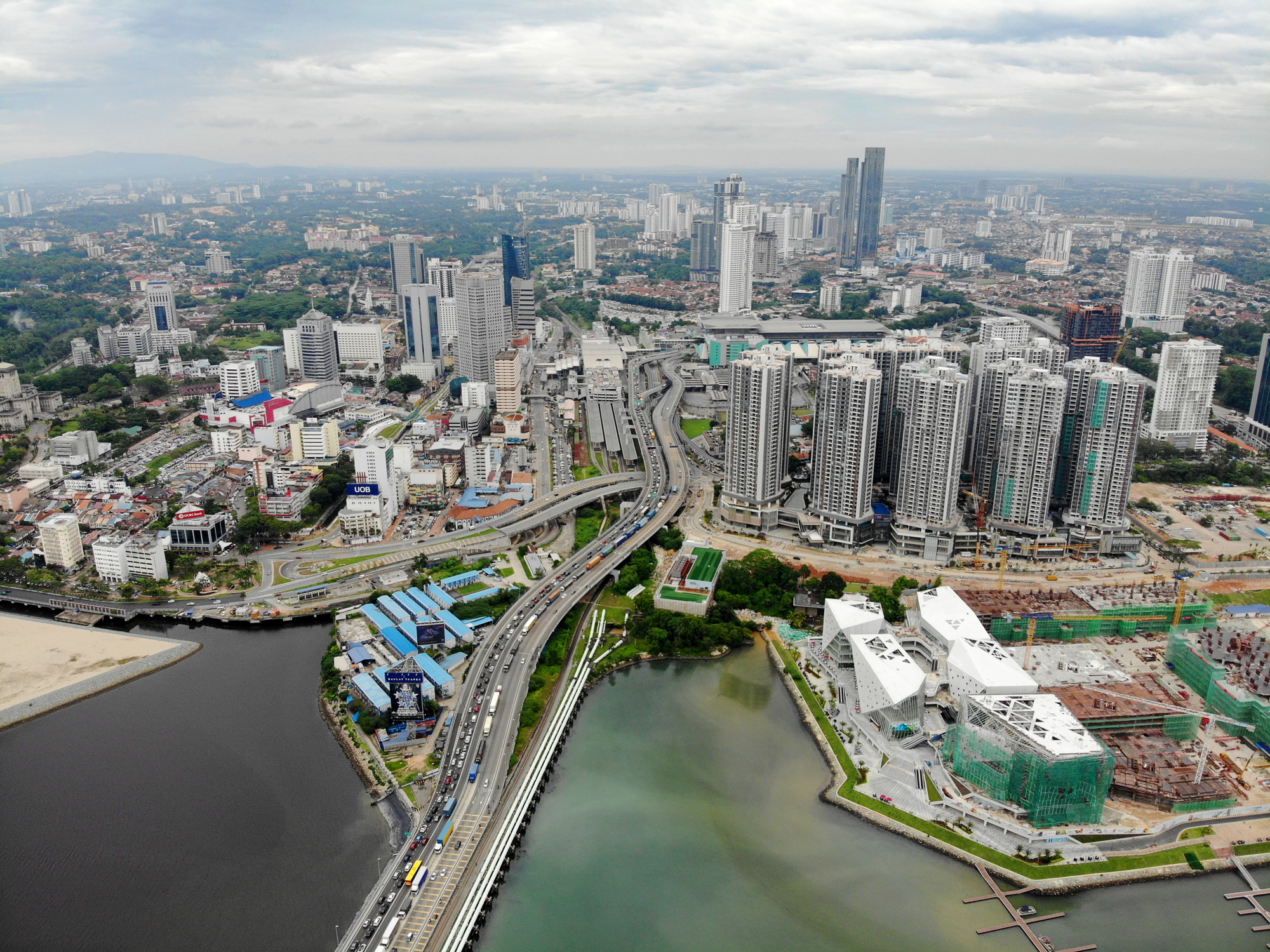
In recent years, the idea of retiring in Johor Bahru (JB) has gained traction among Singaporeans seeking to stretch their dollar. After all, cheaper housing, affordable food and a familiar cultural environment make JB an attractive retirement destination.
However, as someone deeply involved in CPF and retirement strategy, and also spending a fair amount of time living in JB, I urge a closer look.
Here’s why retiring in JB might not be the easy retirement plan that many Singaporeans may hope for.
#1 JB Feels Hotter Than Singapore
Despite their proximity, JB often feels more scorching than Singapore. Why? Due to a lack of urban canopy. JB estates typically lack sheltered walkways and lush greenery, things we take for granted in Singapore. For retirees who enjoy leisure strolls or have mobility concerns, this heat becomes more than just uncomfortable; it can be limiting.
#2 Food Is Cheap, But That’s a Double-Edged Satay Stick
Malaysian food is fantastic and affordable. However, when nasi lemak costs S$1.50 and char kway teow is readily available, restraint becomes difficult. In Singapore, high food prices act as an accidental health tax. In JB? You might overindulge—dangerous for retirees managing chronic conditions like diabetes or high cholesterol.
#3 Social Circles Are Harder to Rebuild
In your 20s, moving to a new city is exciting. In your 60s? Not so much. Building a new social circle in JB without long-time friends, family, or shared routines is tough. Loneliness can be a silent retirement killer. Unless you already have a strong social circle in JB (i.e. your relatives and close friends are living there), it might be worth thinking twice before trading hawker chats and NTUC run-ins for isolation.
#4 The Border Barrier
Yes, JB is geographically close, and if you live in the western (e.g., Jurong) or northern region (Woodlands) of Singapore, which are near the land checkpoint, it might even be closer than driving to East Coast Park. But practically? The border isn’t just a line; it’s a wild card. Traffic jams, immigration queues and checkpoint closures mean you might see your children and grandchildren less often than you think. Family time shouldn’t be at the mercy of the Causeway.
#5 MM2H: More Money, More Hassle
Malaysia’s “Malaysia My Second Home” programme used to be a sweet deal. Not anymore. Higher income thresholds, property requirements, and residency rules now make MM2H less friendly. Retirees wanting flexibility or a split-location lifestyle (what I call the “Half-Step Retirement Plan”) may find these rules restrictive.
#6 Safety Isn’t A Given
Let’s be honest: JB isn’t Singapore when it comes to crime. While things have improved, Singapore retirees who are used to leaving their doors unlocked or walking alone at midnight will need to adjust their expectations. Vigilance should becomes a daily habit, and that may not be something that you want to worry about at 70.
#7 Healthcare – Don’t Assume It’s Cheaper or Better
Private hospitals in JB are decent, but they come with caveats: upfront payments, limited access to subsidies and fewer options for chronic care. Worse still, living overseas long-term can impact your access to Singapore’s healthcare benefits. If medical stability is a top priority, think twice before making JB your full-time base.
Consider the “Weekday-JB, Weekend-SG” Model
Instead of going all-in, consider a hybrid retirement model—live in JB during the week for the lower cost of living, return to Singapore on weekends for family, healthcare and CPF eligibility. I call it “JB50”—50% cost advantage, 100% CPF-conscious.
As always, retirement isn’t just about cost; it’s about quality of life. Before moving your nest to JB, make sure you’re not leaving your comfort, safety or family behind.
Read Also: 1M38: The Amazing Feat of Becoming a CPF Millionaire Couple at 38
You can refer to this infographic summarising the reasons you may want to carefully consider your JB retirement plan:

This article is written based on a YouTube video that I did. You can watch the full YouTube video below.
Loo Cheng Chuan, is the Founder of the 1M65 Movement. He developed the 1M65 & 4M65 CPF investment strategy that is helping many Singaporean couples to become millionaires at retirement. He runs a 1M65 Telegram Group where he regularly coaches passionate 1M65 enthusiasts on good personal finance virtues and financial market analysis. Loo also have an entertaining 1M65 Youtube video channel where he regularly shares financial topics and update financial market events.
Photo Credit: iStock/Trisno Quartris


Lifestyle
15 Of The Cheapest EV Cars In Singapore


Budgeting 101
7 Ways Being Frugal Is Different From Being Cheap


Street Smart
Singapore Gym Membership Price Guide (2026 Edition)
Street Smart
Singapore Gym Membership Price Guide (2026 Edition)


