

This article was contributed to us by Ee Chien Chua, a revenue and growth leader in finance and technology. Ee Chien also co-founded onflow lab and Afora Health. He previously ran Jekyll & Hyde, graft and Operation Dagger, popular bars in Singapore.
When I was running my previous businesses, there were mornings when I would wake up and feel as though I had barely rested. I had slept, but I was still tired, still stressed, and already thinking about everything that needed to be done. Before the day had properly started, finding the energy and motivation to get going was a struggle.
One particularly demanding period involved running my bar (Jekyll & Hyde) while holding a full-time job and taking on volunteer commitments. There was always something that needed my attention. At the time, it was easy to treat rest as something I would get around to once everything else was settled. But when you are juggling that much, there is rarely a point when everything is settled.
Looking back, the cost went beyond feeling tired. It affected how much capacity I had for work, for other people and for life outside my responsibilities. In Singapore, where so much attention goes towards earning, saving and building a better future, I think we sometimes underestimate what it costs to keep getting through the present feeling depleted.
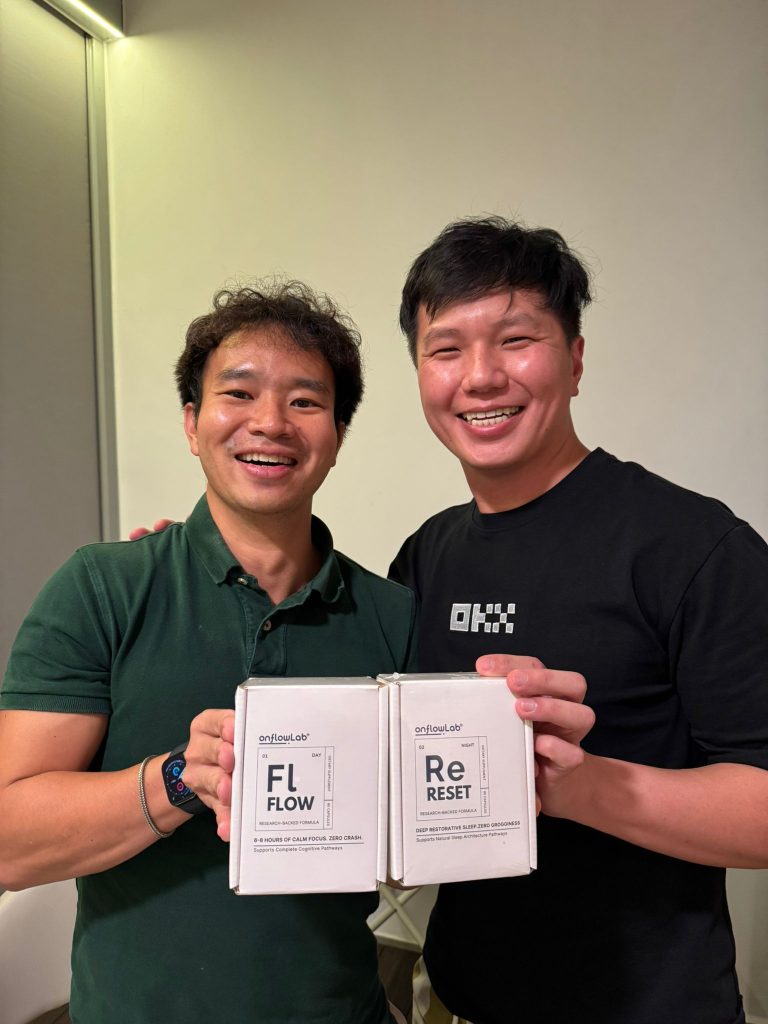
These experiences also contributed to my interest in everyday energy and rest, and eventually to co-founding onflow lab with Jake Tan. I have a commercial interest in the supplements we sell, which I discuss later in this article, but my own experience has made me think about the wider routine around work and recovery.
#1 Cost Is Not Always A Dollar Figure
There is no simple dollar amount I can put on my own experience of stress and poor sleep. But the time and effort involved are real. When you start a day already exhausted, even familiar tasks can feel harder to begin, and a full calendar can seem overwhelming before you have dealt with the first item.
HealthHub explains that insufficient sleep can affect concentration, work performance and mood, with consequences for personal relationships too.
That matters whether you are running a business or working for someone else. Time spent struggling to focus is still time taken out of your day. Having less patience can affect a conversation with a colleague or someone at home. And if the evening arrives with very little energy left, the things you were working so hard to enjoy can end up being pushed aside.
For me, that is an important part of this conversation. A better salary or a growing business means something, but so does having the capacity to enjoy dinner with your family, spend time with friends or wake up without immediately feeling overwhelmed.
Read Also: High Pay But At What Cost? Why Singapore Workers Are Among Asia’s Most Unhappy
#2 Many People In Singapore Are Feeling The Strain
This is something I hear about regularly from friends. Many are doing well professionally and keeping up with their responsibilities, yet still describe themselves as stressed, anxious or constantly tired. From the outside, things may look fine. In conversation, a different picture emerges.
The wider data gives some context. Gallup’s 2026 State of the Global Workplace report shows that 43% of employees in Singapore experienced stress during much of the previous day, compared with 25% across Southeast Asia. The Singapore figure reflects a three-year rolling average through 2025 and measures stress experienced by employees, rather than stress caused exclusively by work.
Sleep is another concern. YouGov’s international sleep study published in 2024 found that only 44% of Singapore respondents reported sleeping at least seven hours on a typical night, while 21% reported sleeping five hours or less.
#3 Why It Can Be Difficult To Break The Pattern
One of the difficult things about being busy is that recovery can feel like another task to fit into the day. Work finishes, but there are still errands, family commitments and messages to reply to. By the time everything quietens down, it can feel as though there has been no time left for yourself.
I understand why people stay up at that point. Watching something or scrolling through a phone can feel like finally having control over a small part of the day. HealthHub describes this as “revenge bedtime procrastination”, when people sacrifice sleep to reclaim leisure time after their responsibilities have taken up much of their day.
The difficulty is that the following morning still arrives at the same time. That extra hour of personal time can come at the expense of feeling rested, leaving another day to get through with less energy.
My experience has made me think more carefully about how much I take on in the first place. There is a limit to what can fit into a day while still leaving enough room to recover. Recognising that limit is something I am still learning.
#4 Making Room For Recovery And Support
The starting point is to look honestly at the routine. Is there enough time set aside for sleep? Does work regularly continue into the evening? Is another commitment being added to a week that is already full?
HealthHub recommends that adults aim for at least seven hours of sleep each day. Keeping reasonably consistent sleep and waking times, allowing time to wind down and reducing device use before bed can help support better sleep habits. Caffeine also deserves attention, including kopi, teh and energy drinks, because it can interfere with sleep.
During the day, making time for meals, movement and proper breaks gives recovery a place in the schedule. At work, realistic workloads and reasonable expectations around after-hours messages matter too. It is difficult to protect an evening routine when you are continually expected to be available.
#5 Where Supplements Can Play A Supporting Role
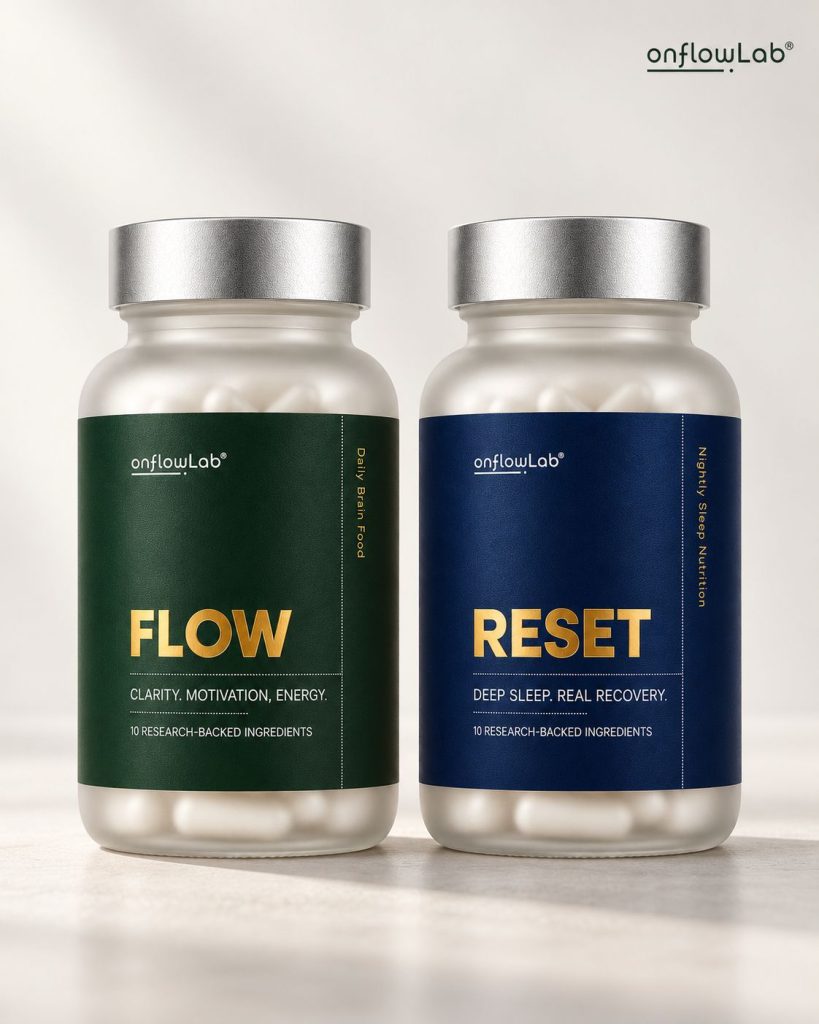
At onflow lab, our two products focus on different parts of the day. FLOW is our caffeine-free daytime supplement, developed with daytime focus in mind, while RESET is our nighttime supplement, developed with sleep support in mind. The thinking behind the two products is to consider both the capacity to engage with everyday responsibilities and the opportunity to recover afterwards.
As a co-founder, I have an obvious interest in this space, but I believe the role of supplements should be kept in perspective. They should not become the thing someone depends on to make an unsustainable lifestyle manageable.
Some people may consider supplements for particular nutritional needs or aspects of wellbeing. Their suitability depends on the ingredients, dose, individual circumstances and evidence behind the intended use. HSA advises that supplements should not replace a balanced diet or medical treatment.
The desire to feel calmer and sleep better is understandable, especially when life feels demanding. But supplements should not be presented as treatment for anxiety or as a substitute for investigating ongoing sleep difficulties. Getting the right support begins with understanding what is causing the problem.
Giving Rest A Place In Everyday Life
For me, one of the lessons from juggling businesses, work and other commitments is that there will always be something else to do. Waiting until everything is finished before allowing yourself to rest can mean that rest never comes.
A practical starting point could be protecting a consistent bedtime, taking a proper lunch break or leaving some evenings free of commitments. It is easier to build a routine around a few manageable changes than to turn wellbeing into another long list of things to accomplish.
The cost of running on empty shows up in everyday moments: struggling to get started, losing patience or having little energy left for the people you care about. These days, I want to give more thought to the quality of the life being built along the way. After all, the future we work towards should come with the health and energy to enjoy it.
onflow lab is a wellness brand focused on everyday energy, focus and rest. Its two supplements – FLOW, a caffeine-free daytime energy and focus formula, and RESET, a nighttime formula for deep and restful sleep – are designed to support daily routines alongside balanced nutrition, healthy sleep habits and time for recovery.
Read Also: Built To Last: How Singapore’s Homegrown Businesses Have Progressed Alongside The Nation
Photo Credit: iStock/oatawa


Family Planning
Cost Guide To International School Fees In Singapore


