
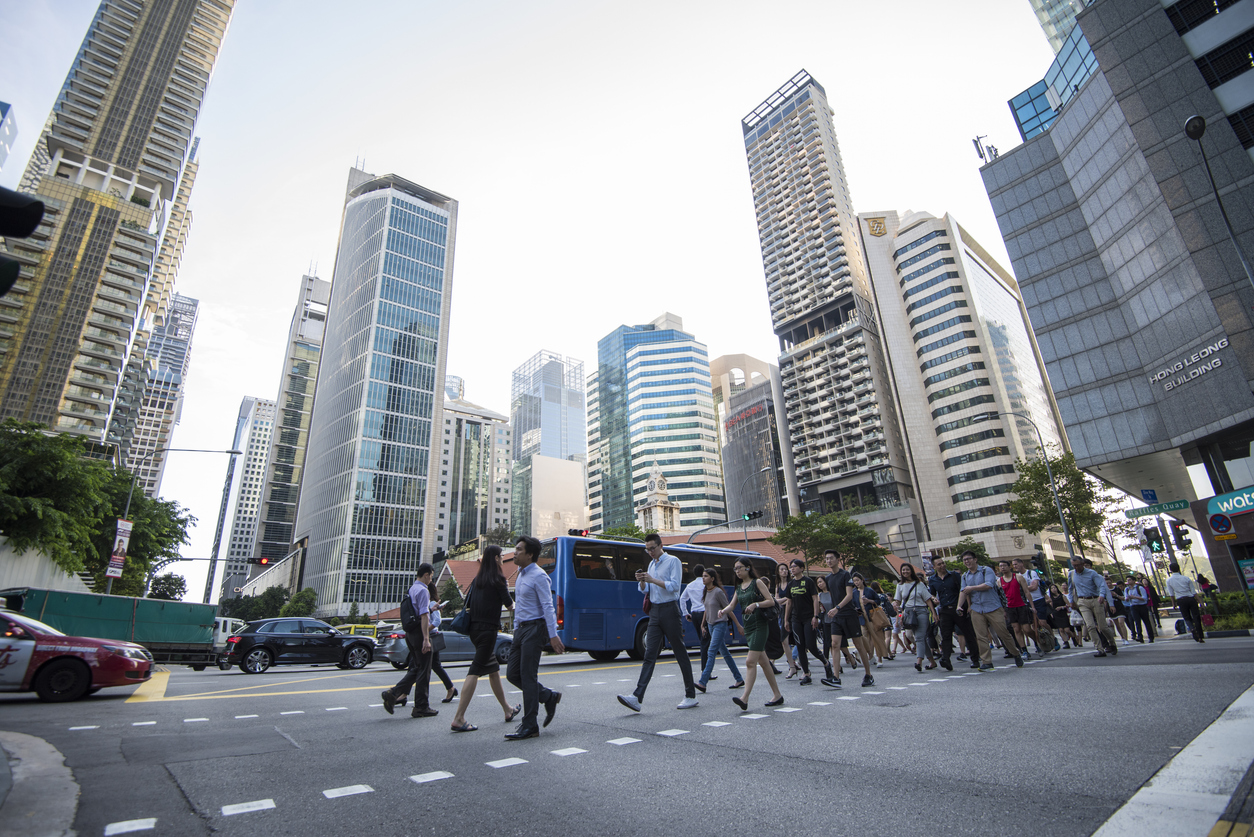
Singapore is one of the wealthiest places in the world. That did not happen by chance. Over the years, we have built a highly skilled workforce, strong infrastructure and a stable economy.
The result is that Singapore workers are among the highest-paid in Asia. In 2025, the median gross monthly income for full-time workers reached $5,775. In sectors such as financial services, median pay exceeds $9,000 a month.
Yet, higher salaries do not always translate into happier workers. A recent study suggests that despite earning relatively high incomes, many of us are still struggling at work. Here’s why Singapore workers are among the unhappiest in Asia.
The Aspiration Gap (What We Have Vs What We Want)
According to the Workplace Happiness Index: Singapore, published by Jobstreet by SEEK in February 2026, only 56% of Singapore workers describe themselves as happy at work.
That puts Singapore second from bottom among the Asia-Pacific markets surveyed, ahead of only Hong Kong at 47%. We also trail Malaysia (70%), the Philippines (77%) and Indonesia, which topped the rankings at 82%. Australia was also slightly ahead at 57%.
What is more telling is the gap between what workers believe is possible and what they actually experience. Some 81% of Singapore workers believe workplace happiness is achievable. In other words, we are not cynical about enjoying our jobs. We believe it can happen. We are just not experiencing it enough.
This points to a deeper issue. Singapore workers are not unhappy because we are disengaged. Many of us may simply be overstretched, undervalued and exhausted.
Nearly half (45%) say they feel burnt out or exhausted. Even among workers who say they are happy, 41% still report burnout. That suggests many workers may be coping rather than truly thriving at work.
Pay Is Only One Part Of The Picture
It is easy to assume that higher salaries would solve the problem.
Workers themselves seem to think so. About 64% of respondents said better pay would improve their happiness. However, the data suggests that salary alone is not a long-term fix.
Workplace happiness rises to 72% among those earning above $10,000 a month. But even among these higher-income workers, about half still experience significant burnout.
The Jobstreet study found that the strongest driver of sustained workplace happiness is not pay, but having a sense of purpose at work.
This is where many workplaces appear to fall short. Only half of Singapore’s workers say they find their work meaningful. Just 37% feel positive about their career progression. One in two employees also does not feel consistently recognised for their contributions.
What Needs To Change
The Jobstreet findings suggest that workers’ expectations have evolved faster than many workplaces have adapted.
For us as workers, one practical takeaway is to be honest about what we want from our careers. It may not always be the next pay raise or promotion. For some of us, purpose, flexibility, recognition or a healthier workload may matter more.
For employers, the message is also clear. Competitive pay may attract talent, but it is often not enough to keep people engaged over the long term.
Clearer career pathways, meaningful recognition and a serious approach to burnout are no longer nice-to-haves. They are essential if we want to build workplaces where people can do good work without burning out.
Photo Credit: iStock/3yephotography


Street Smart
Singapore Gym Membership Price Guide (2026 Edition)


