
This article was written in collaboration with FOREX.com. All views expressed in this article are the independent opinion of DollarsAndSense.sg based on our research, are purely for informational purposes, and should not be relied upon as financial advice. DollarsAndSense.sg is not liable for any financial losses that may arise from any transactions, and readers are encouraged to do their own due diligence. You can view our full editorial policy here.
Most people who enter the financial markets have already decided whether they are a trader or an investor, often without realising it. This can be observed easily simply through the kind of decisions they make in the financial market.
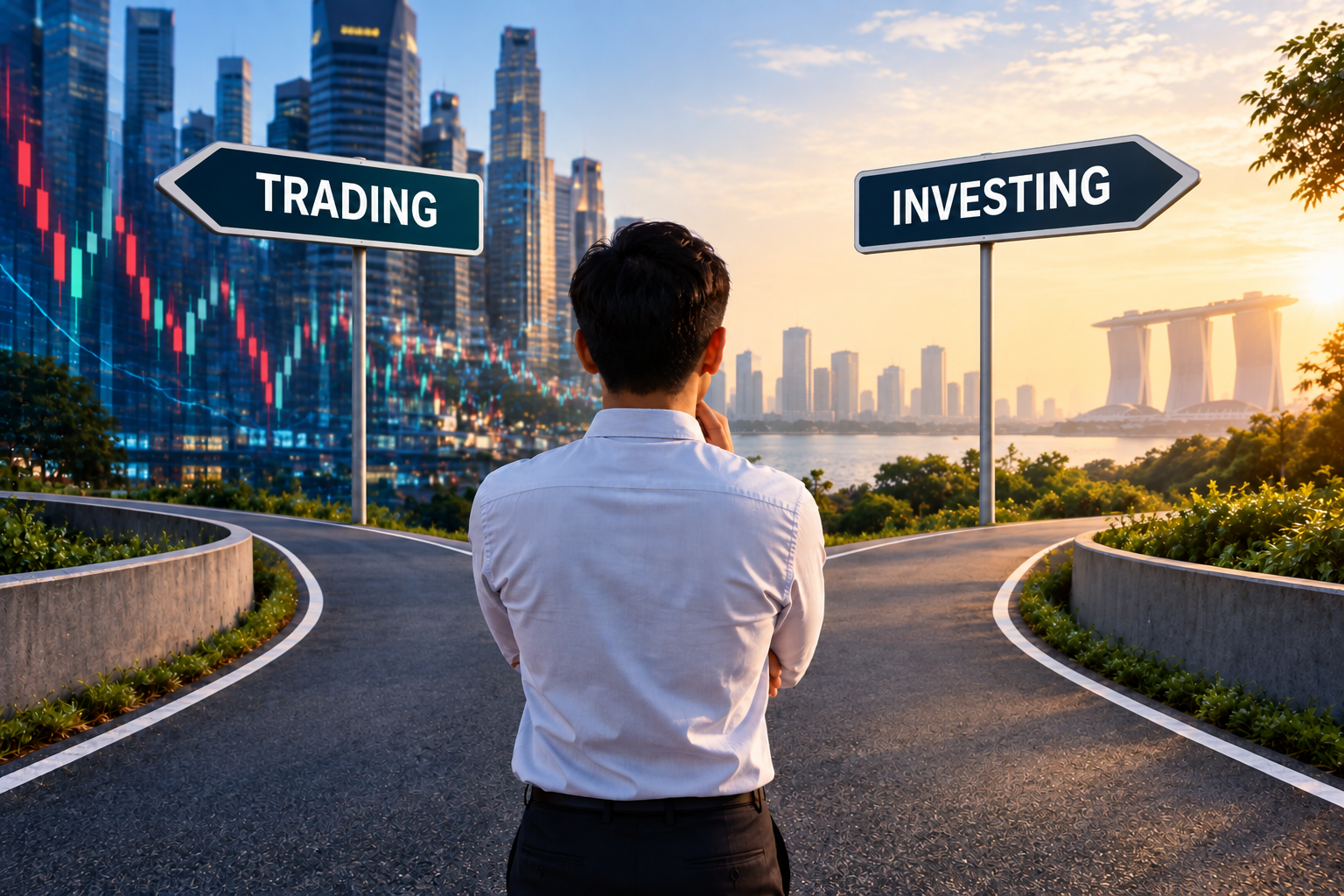
Trading and investing are very different activities. They require different skills, temperaments and levels of commitment. Similar to the difference between running a sprint and a marathon. both involve moving towards a goal, but the pace, preparation and mindset differ.
Before investing money into the markets, it is worth considering which type of race you are entering, and which approach suits you better.
#1 How Long Are You Willing To Wait For A Return?
Investors typically think in years or decades. Long-term investing gives compounding time to work and allows investors to ride out short-term volatility.
Traders operate over much shorter periods, ranging from weeks and days to hours or even minutes. Their aim is to profit from price movements within that window, which requires a different approach to analysis and risk management.
If waiting years for a return sounds frustrating, you may prefer trading. If checking your portfolio regularly sounds exhausting, investing may suit you better.
#2 Do You Want To Actively Manage Positions?
Investing can be largely passive. You could make monthly contributions to a diversified ETF through a regular savings plan and review your portfolio only a few times a year. Some long-term investors may check it just once a year, or leave it untouched for longer if their strategy has not changed.
Trading, by contrast, is more active and hands-on. Positions must be opened, monitored and adjusted as market conditions change. For those who enjoy following the markets and responding to new developments, this can make trading more engaging. A trade that made sense yesterday may need to be reviewed or exited today.
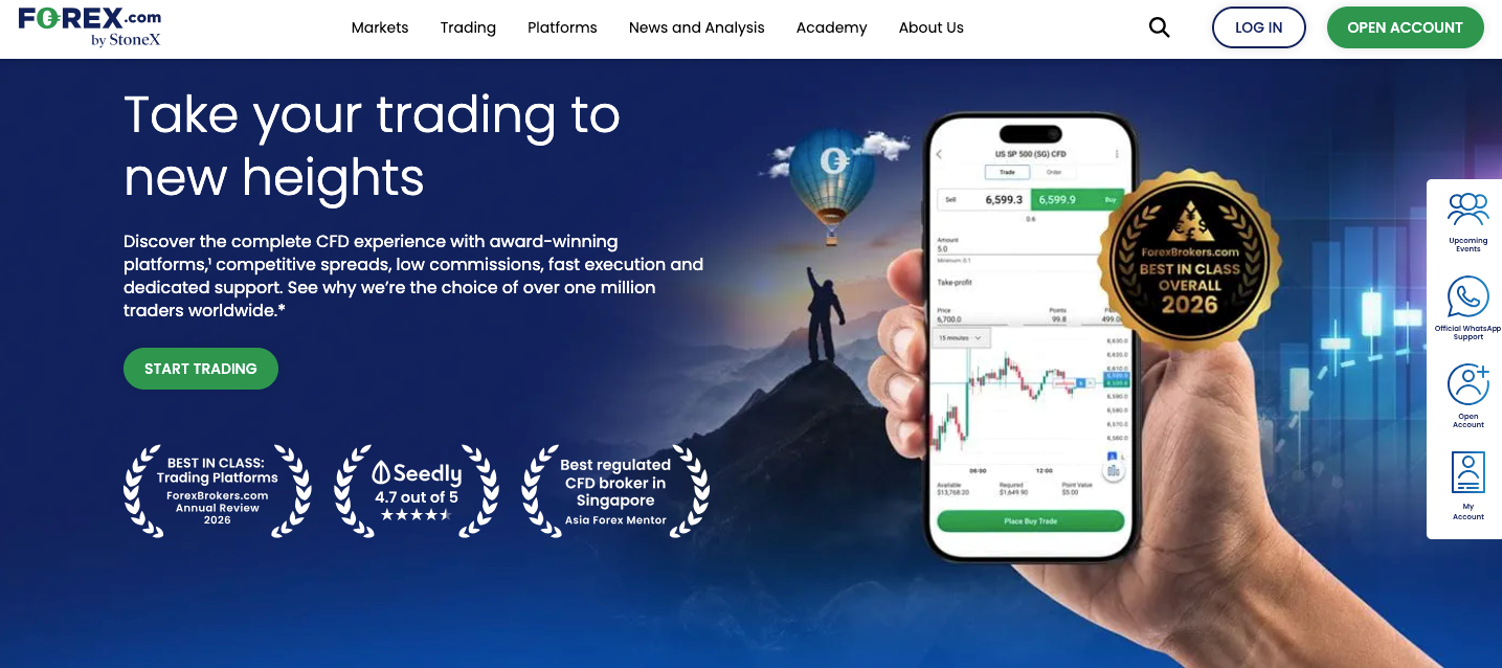
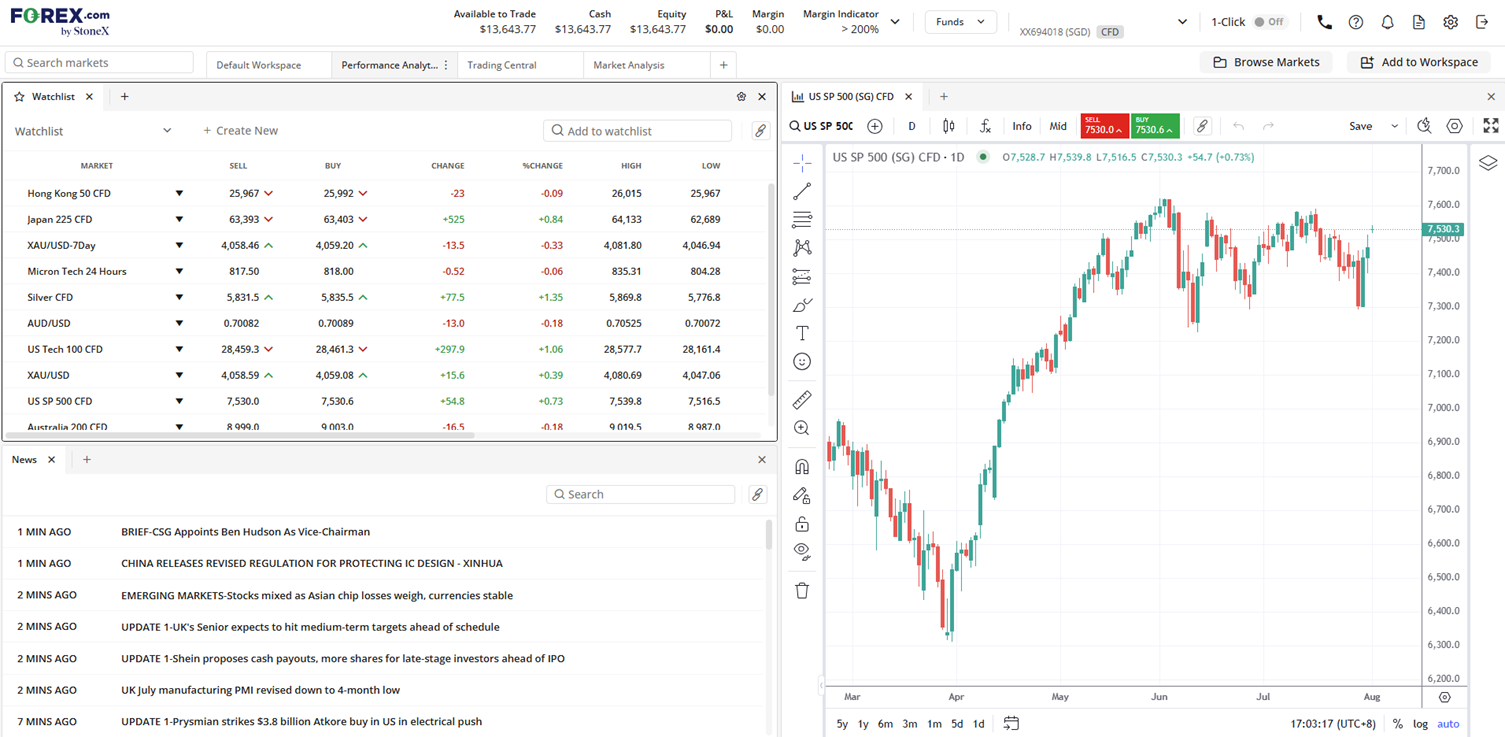
For example, traders using FOREX.com can access CFD markets through its web, mobile and desktop platforms. These tools are designed to help traders monitor positions, receive market alerts and respond to price movements across different markets. However, having access to these tools does not remove the need for discipline, preparation and proper risk management.
Without the time or interest to monitor positions regularly, trading is unlikely to be a good fit.
#3 What Kind Of Return Are You Realistically Expecting?
Many people are drawn to trading because it offers the possibility of earning returns over a shorter period compared to long-term investing. However, that potential comes with higher risk and requires more active decision-making.
Global equity markets have historically delivered nominal returns of about 7% to 10% a year over the long term. An active trader would need to outperform that benchmark after accounting for transaction costs and the time spent managing positions.
This is not easy. Studies across different markets have found that many retail traders underperform a buy-and-hold strategy, while some lose money.
Trading can still be profitable for those with the right strategy, discipline and risk management. However, new traders should not assume that being more active will automatically lead to higher returns.
#4 How Do You Actually Respond To Losses?
Most people believe they can handle losses rationally. That belief may be tested once real money is at stake.
Losses are part of trading, even for experienced traders. The challenge is to manage them without letting fear, frustration or overconfidence influence the next decision.
Investors face a similar test during market downturns. Those who sold everything in March 2020 and remained in cash would have missed the sharp recovery that followed.
For both traders and investors, staying disciplined during periods of uncertainty is often harder than expected.
#5 Understand The Products You Plan To Use
The markets offer a wide range of products, from shares and indices to options, forex and commodities such as gold and silver. Each comes with different levels of complexity, leverage and risk, so the product you choose should match your knowledge, objectives and risk tolerance.
A CFD allows you to take a view on an asset’s price movement without owning the underlying asset. Through FOREX.com, for example, traders can access CFD markets including currency pairs, global stock indices, individual shares and commodities such as oil and gold. This gives traders the flexibility to respond to opportunities across different markets.
However, a wider choice of markets does not mean every product is suitable for every trader. CFDs use leverage, which can magnify both gains and losses. They are better suited to traders who understand how leverage works and have a clear strategy and risk management framework.
#6 How Much Time Can You Commit?
Trading requires time for research, analysis, reviewing past positions and keeping up with market developments. For those who enjoy following the markets closely, this can be part of the appeal.
However, someone with a full-time job, family commitments and limited free time may be at a disadvantage compared to traders who can monitor the markets more regularly.
By contrast, a monthly investment into broad index ETFs may require only a few hours of attention each year. A trading strategy that needs daily monitoring but is checked only on weekends is unlikely to work as intended.
#7 Do You Have Capital You Can Afford To Put At Risk?
This applies to both traders and investors, although trading can involve a more immediate risk of capital loss, especially when leverage is used.
The principle is straightforward: Only commit money you can afford to leave at risk over the relevant time horizon.
Traders should not use funds needed for rent, emergencies or near-term financial goals. Investors should also avoid placing money they may need within the next two to three years into assets that can fluctuate sharply in value.
#8 Do You Have A Clear And Defined Strategy?
Disciplined traders have a strategy before entering a position. This should cover what they are looking for, when they will enter, how much capital they are prepared to risk and when they will exit, whether to cut losses or take profit.
For example, someone trading an index CFD through FOREX.com should decide in advance what market movements would support the trade and what would invalidate it. Its web trading, mobile and MetaTrader 4 platforms provide the tools to monitor and manage positions, but they do not replace the need for a clear strategy.
Buying an asset simply because its price is rising or everyone is talking about it is not a strategy. Investors need a framework too, including which assets to hold, in what proportions and how often to rebalance.
#9 How Do You Feel About Leverage?
Leverage allows traders to take a larger position than their capital would otherwise permit. This can magnify gains when a trade moves in their favour, but it also increases losses when it does not.
For example, with leverage of 10:1, a 5% adverse move in the underlying asset could result in a 50% loss on the capital deployed.
This risk applies whether you are trading a forex, share, index or commodity CFD. Before using leveraged products through FOREX.com, traders should understand the margin required, how quickly losses can build up and how much capital they are prepared to put at risk.
Long-term investors generally do not need leverage. For traders, it can be a useful tool, but only when paired with a clear strategy and disciplined risk management.
#10 Are You Trying To Build Wealth Or Looking For Excitement?
Some people are drawn to trading not only by the potential returns, but also by the challenge of following markets and making decisions as conditions change.
There is nothing wrong with finding this process engaging. However, trading should still be approached with discipline rather than treated as entertainment.
Long-term investing is often uneventful by design, while successful trading is typically structured and systematic. In both cases, the approach should match your goals, temperament and circumstances.
Whether You Trade Or Invest, Your Approach Should Fit Your Life
There is no single correct answer to these questions, but your answers should be honest.
Some people are suited to active trading because they have the time, risk appetite and discipline to approach it systematically. Others may be better suited to long-term investing, which requires less day-to-day attention.
The key is to choose an approach that fits your goals, temperament and circumstances, rather than discovering the mismatch only after losses occur.
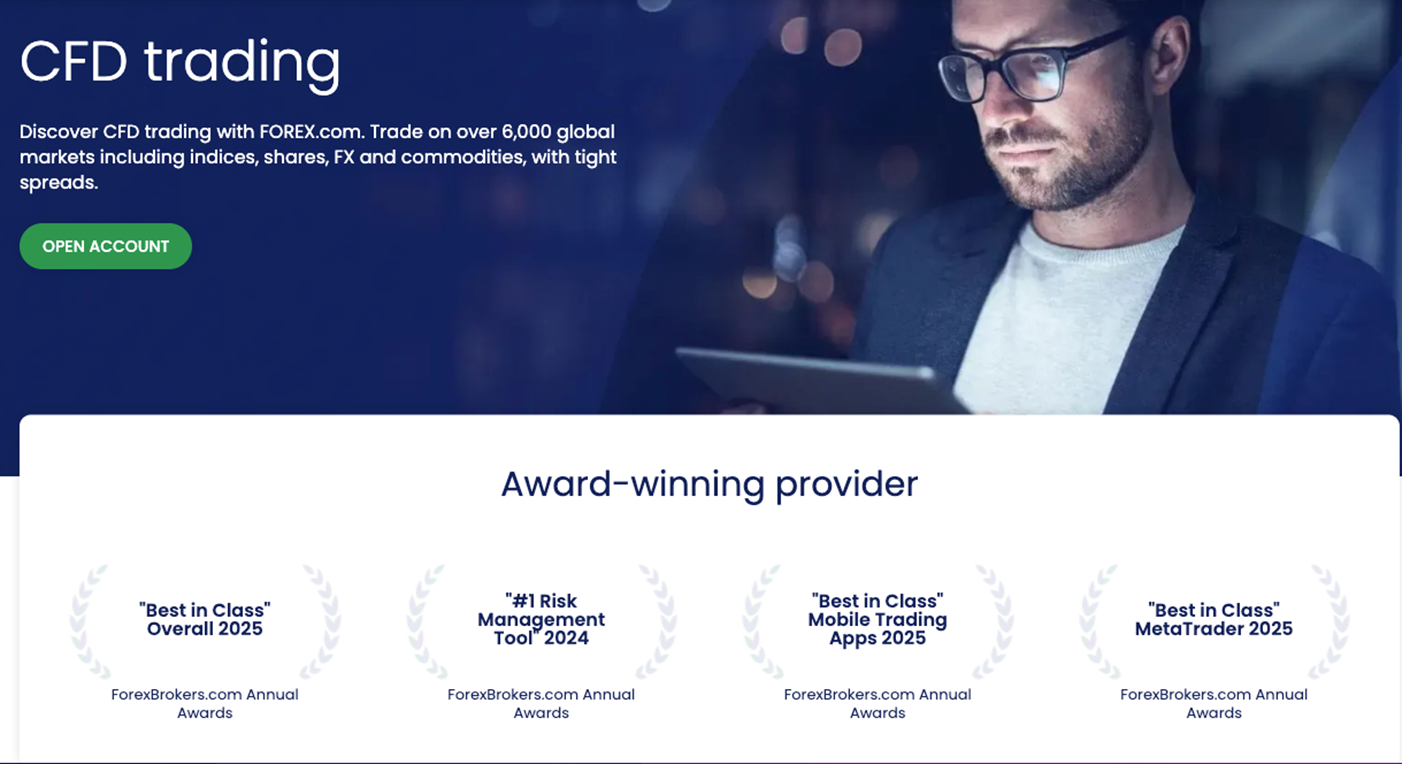
For those who have considered the risks and decided that active trading suits them, FOREX.com offers access to an extensive range of CFDs across forex, indices, shares, metals, commodities and more. Traders should still understand the product they are using, have a clear strategy and decide how much capital they are prepared to risk.
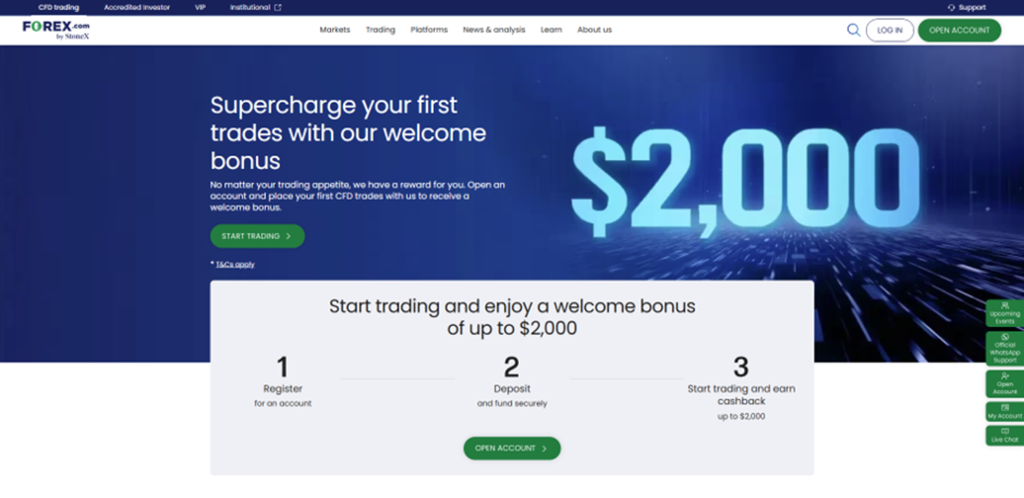
If CFD trading fits your goals and approach, you can explore the markets and trading tools available through FOREX.com. Start trading and enjoy a welcome bonus of up to $2,000 with FOREX.com. Learn more.
Trading CFDs is high risk and not suitable for everybody. Losses can exceed deposits. This advertisement has not been reviewed by the Monetary Authority of Singapore.


Lifestyle
15 Of The Cheapest EV Cars In Singapore


Budgeting 101
7 Ways Being Frugal Is Different From Being Cheap


Street Smart
Singapore Gym Membership Price Guide (2026 Edition)


Street Smart
Singapore Gym Membership Price Guide (2026 Edition)

Bonds and Fixed Income
Complete Guide To Buying Singapore Savings Bonds (SSB) [2026 Edition]


