
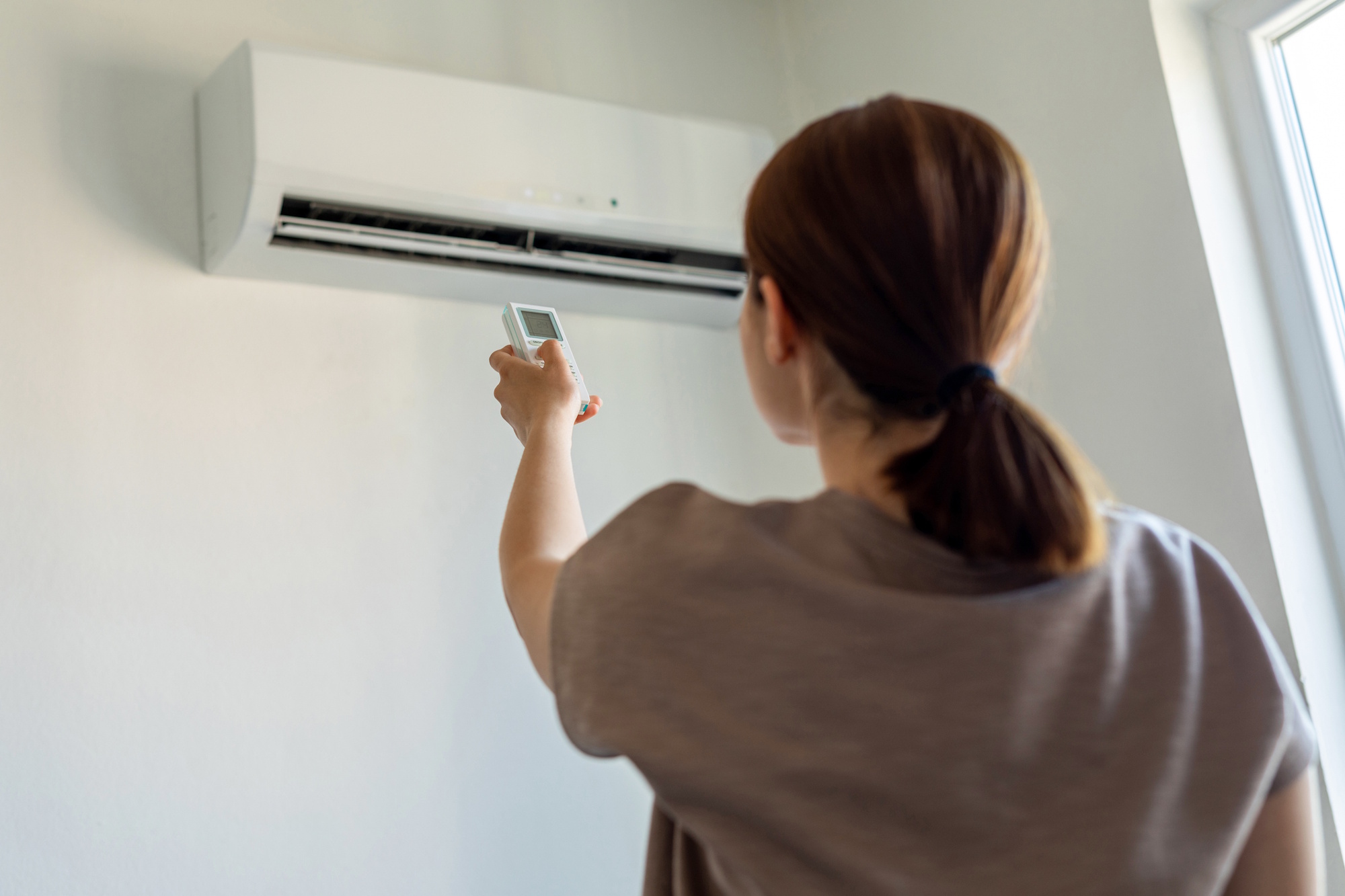
According to the National Environment Agency (NEA), the Southwest Monsoon typically lasts until September and brings drier conditions overall. During the first two weeks of June, daily maximum temperatures reached 33°C and 34°C on most days. But the agency also warned that nighttime temperatures during this period would remain warm and humid, with temperatures frequently exceeding 28°C.
Air-conditioning is a near necessity in Singapore’s humid climate, but just how much does it cost to keep the cool air flowing through the night? The answer depends on several factors: the size of your unit, its efficiency rating, the temperature you set, and the prevailing electricity tariff.
Electricity Tariffs And Consumption
As of the second quarter of 2026, the regulated electricity tariff set by SP Group is 29.72 cents per kWh (including GST). This figure is the baseline for calculating how much your air-conditioner costs to run each night.
Air-conditioner units are typically sold according to their cooling capacity, which is often presented in British Thermal Units, or BTU. A typical common bedroom unit rated at 9,000 BTU therefore consumes about 0.7 to 0.9 kWh per hour, while a larger 12,000 BTU unit for a master bedroom uses 1.0 to 1.3 kWh per hour. Over an eight-hour night, that translates to roughly S$1.66 to S$3.09, depending on the unit size and efficiency.
Read Also: Fixed Or Floating Electricity Plan: Which Makes More Sense For Your Household In 2026?
Unit Size And Efficiency
The size of your air-conditioner matters. Since there’s usually only one person in a common bedroom, it’ll need a smaller unit compared to a master bedroom for two people. Naturally, smaller units designed for bedrooms will consume less electricity than larger ones meant for living rooms.
Here’s a breakdown based on the typical use of an inverter air conditioner under normal operating conditions. Non-inverter air conditioners typically consume about 20% to 30% more energy.
| BTU Rating | Typical Use Case | kWh per Hour | kWh per 8 Hours | Cost per 8 Hours |
| 9,000 BTU | Common bedroom | 0.7 to 0.9 | 5.6 to 7.2 | $1.66 to $2.14 |
| 12,000 BTU | Master bedroom | 1.0 to 1.3 | 8.0 to 10.4 | $2.38 to $3.09 |
| 18,000 BTU | Living room | 1.4 to 1.8 | 11.2 to 14.4 | $3.33 to $4.28 |
| 24,000 BTU | Large living room or open concept | 1.8 to 2.4 | 14.4 to 19.2 | $4.28 to $5.71 |
Efficiency ratings also play a role. NEA’s tick rating system shows that 5-tick inverter models can save 30–40% more electricity compared to older 2-tick units.
Read Also: Price Guide To Air Conditioners In Singapore And The Maintenance Costs
Temperature Settings And Modes
Your thermostat setting is one of the biggest cost drivers. Running at 22°C can cost up to S$2.14 per night, while setting it at 25°C reduces the cost to somewhere between S$1.63 and S$1.75. Using your unit’s Dry Mode or Sleep Mode can further reduce consumption, sometimes to under S$1 per night.
Risks And Cost Drivers
Several factors can inflate air-conditioning usage costs: dirty filters or coils force compressors to work harder, oversized units cycle inefficiently and choosing non-inverter models consumes more electricity. Even low refrigerant levels can increase consumption without improving cooling performance.
With Singapore’s nights expected to remain warm and sticky throughout the Southwest Monsoon, there might not be much choice but to use air conditioning. Small bedroom units set at 25°C cost about S$1.63 per night, but that figure can almost double if you set a lower temperature of 22°C.
Advertiser Message
Thinking Of Switching Brokers Or Consolidating Your Holdings?
Tiger Brokers is currently running a transfer-in campaign where eligible clients can receive an iPhone 17 Pro Max* when they transfer in their assets.
For SGX investors, there is also a CDP Transfer promotion with 0* commissions on Singapore stocks.
Find out more here. *T&Cs apply.



Family Planning
Cost Guide To International School Fees In Singapore


