
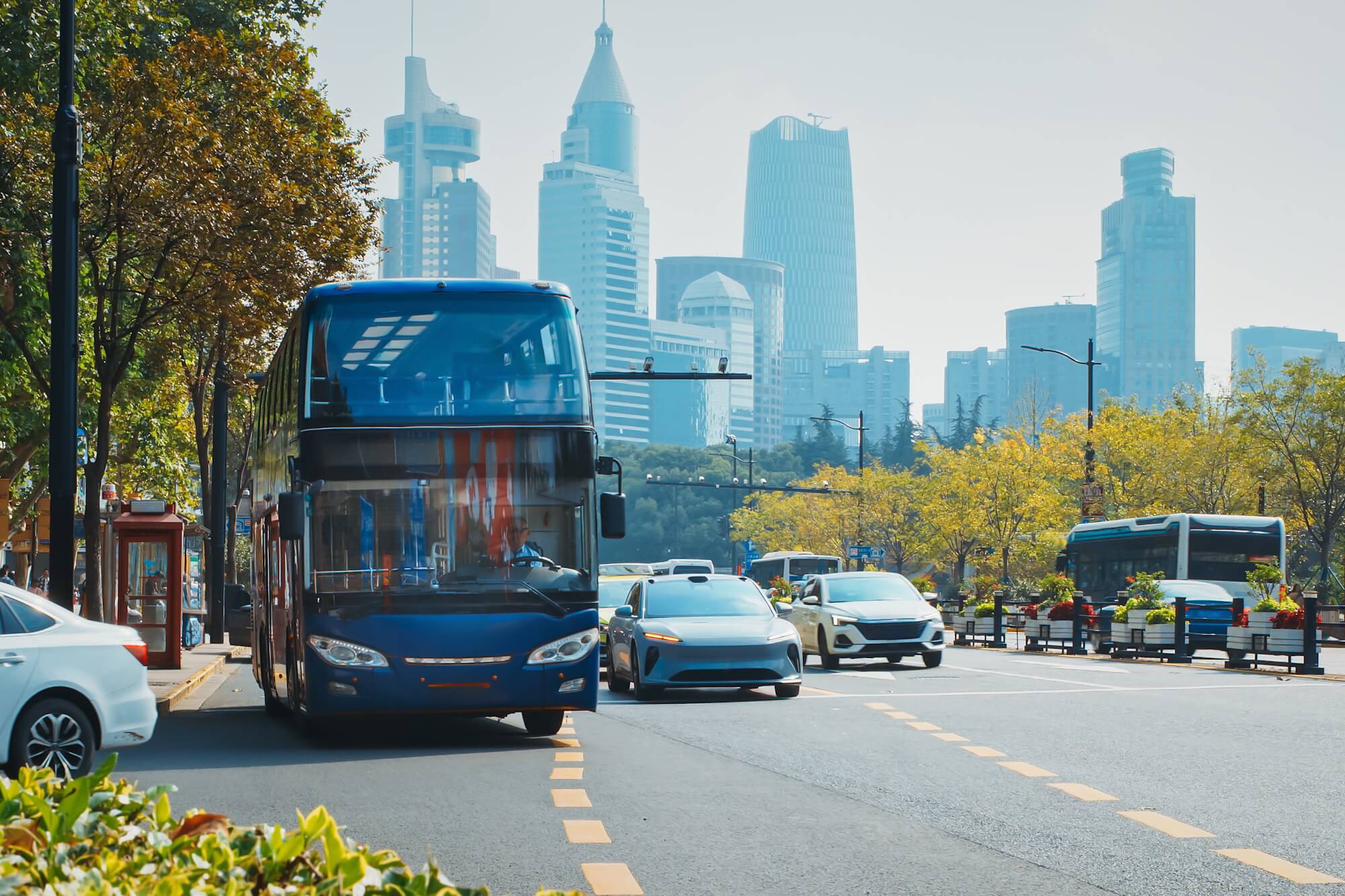
Singapore’s Certificate of Entitlement (COE) has crossed the S$120,000 mark for both Cat A and Cat B vehicles, sparking renewed debate about whether car ownership here is worth the cost. While the COE and the Vehicle Quota System that introduced it are relatively unique in their direct control of vehicle numbers, other major cities around the world face similar challenges of congestion and pollution. Their solutions range from rationing and quotas to urban design and public transport incentives. Some of these approaches naturally resemble some of Singapore’s own solutions, such as Electronic Road Pricing (ERP), while others take entirely different paths.
#1 Congestion Pricing
Cities such as London, Stockholm, and Milan charge drivers to enter busy city centres.
London’s Congestion Charge Zone and Stockholm’s time-based fees discourage unnecessary trips into the core. London charges £18 per day (S$30) if paid in advance, and £21 (S$36) if paid after travelling into the zone.
Stockholm charges between 11 and 45 SEK (about S$1.50 to S$6) every time you pass a “control point” within the city, depending on the time of day and the date.
Milan’s Area C combines congestion pricing with environmental restrictions. The cost of an Area C ticket ranges from €7.50 to €22.50 (about S$11 to S$33.50), and the more polluting vehicles are restricted from entering altogether.
Our ERP system is a close cousin of these policies, charging vehicles dynamically based on road usage and time of day. The difference is that ERP in Singapore applies across multiple expressways and major roads, not just the city centre.
#2 License Plate Rationing
Cities such as Beijing, Mexico City, and Jakarta use license plate rationing to restrict car usage.
Following the 2008 Summer Olympics, Beijing introduced odd-even plate rules. This meant that vehicles with license plate numbers ending with an odd number could only be driven on odd dates, and those ending with an even number could only be driven on even dates. Today, this has evolved into temporary traffic restrictions in which license plates ending in certain digits are prohibited from entering Beijing’s 5th Ring Road from 7am to 8pm on weekdays. The prohibited digits vary by day of the week.
Mexico City’s “Hoy No Circula” (No-Drive Day) uses a similar ban, depending on your license plate number, your car is banned from driving on one weekday, from 5am to 10pm. Depending on the type of vehicle, it could be further restricted for up to two Saturdays a month.
Jakarta applies ganjil-ganep (odd-even) restrictions during rush hours, from 6am to 10am, and from 4pm to 9pm on weekdays.
#3 Parking Proof Requirements
In Tokyo, residents must prove they have a parking space before registering a car. This “Shako Shomei” rule ensures vehicles don’t spill onto narrow streets and discourages casual ownership. Hong Kong achieves similar results by keeping parking scarce and expensive.
#4 Emission Controls And Low-Emission Zones
European cities such as Paris, Berlin, and Madrid restrict older, polluting vehicles from entering central districts. Paris bans older diesel cars, while Berlin enforces low-emission zones. California complements strict emission standards with incentives for electric vehicles.
#5 Public Transport Integration
Cities like Seoul, Zurich, and Tokyo reduce car dependency by making public transport so efficient that cars become unnecessary. Seoul’s metro is extensive and punctual, while Zurich integrates transport passes into housing and employment benefits.
In the same way, Singapore’s vast MRT and bus network reflects this philosophy, offering a viable alternative to car ownership. The difference, perhaps, lies in perception. In Singapore, public transport has become the default, while in Zurich, it is actively incentivised.
#6 Urban Design And Car-Free Zones
Urban planning plays a major role in reducing car use. Barcelona’s “superblocks” restrict through-traffic, reclaiming streets for pedestrians and cyclists. Copenhagen has steadily expanded car-free areas, while Amsterdam limits car access through narrow streets and expensive parking. Singapore has experimented with pedestrianised zones in Orchard Road and the Civic District, but the scale remains smaller compared to European cities that embrace car-free living as a cultural norm.
Ultimately, Vehicle Quotas And Lotteries Are Still Popular Solutions
In Beijing, car ownership is capped through a lottery system, making registration a matter of luck. Shanghai auctions license plates, with prices often exceeding 93,600 yuan (almost S$18,000).
The difference between these systems and COE lies in its execution. Singapore uses market-driven bidding, Beijing relies on chance, and Shanghai uses a convoluted online auction system. All three highlight the need to cap ownership in dense megacities.
Singapore’s COE system is one of the most direct and expensive ways to control car ownership, but it is not the only model. What sets Singapore apart is the combination of COE, ERP, and our investment in public transport.
Advertiser Message
Thinking Of Switching Brokers Or Consolidating Your Holdings?
Tiger Brokers is currently running a transfer-in campaign where eligible clients can receive an iPhone 17 Pro Max* when they transfer in their assets.
For SGX investors, there is also a CDP Transfer promotion with 0* commissions on Singapore stocks.
Find out more here. *T&Cs apply.



Family Planning
Cost Guide To International School Fees In Singapore


