
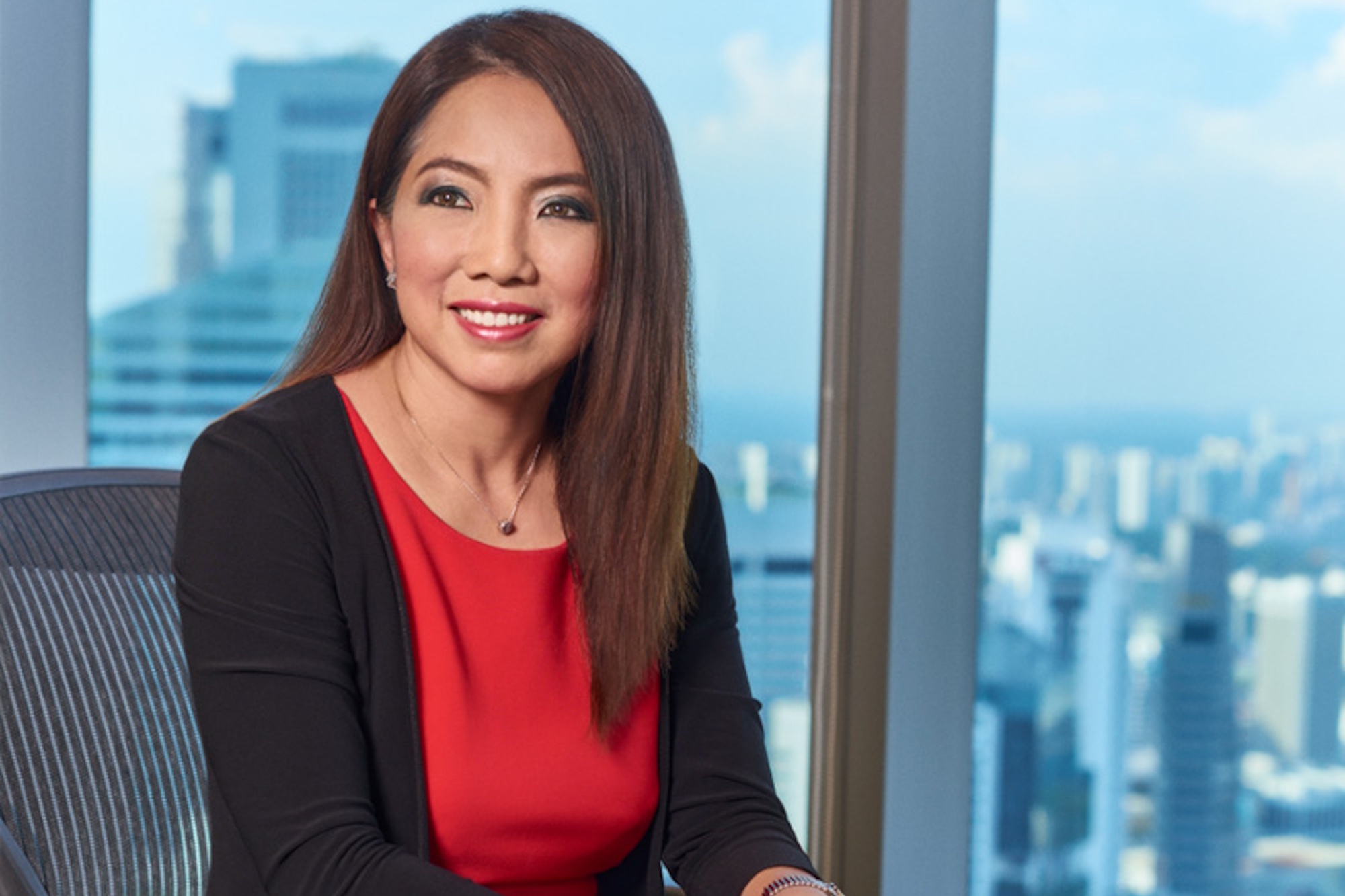
This week, on 27 May 2026, a frustrated DBS customer turned to social media after being unable to register his FIN to PayNow for more than 20 days. The delay meant he could not receive his IRAS tax refund, despite contacting customer service and waiting over a week for a response. On his now-deleted LinkedIn post, he tagged DBS CEO Tan Su Shan, Eugene Huang, the Group Chief Information Officer, and Ramesh Mallya, Chief Technology Officer of DBS India.
But it was CEO Tan who replied personally within an hour, while on a plane. “Just had my tech team check this out for you. Am on a plane but someone will definitely respond,” she wrote. True to her word, DBS called the customer shortly after, and the issue was resolved.
Tan’s intervention quickly became a talking point, demonstrating accessibility, empathy, and accountability at the very top. In an era where customer complaints often go viral within minutes, her response showed how executive visibility can transform reputational risk into reputational strength.
A Global Shift in CEO Visibility
Tan Su Shan’s case is part of a wider trend: customers are increasingly expecting executive-level accountability when product or service defects persist despite frontline support. Around the world, CEOs are often challenged to step into the frontline of customer service, often through social media, to address complaints that could otherwise spiral into reputational crises.
In March 2025, in India, a customer who received a defective wedge pillow from Frido aired his frustration on X, the platform formerly known as Twitter. Instead of leaving the matter to customer service, founder and CEO Ganesh Sonawane replied directly, within three hours, apologising and explaining the cause of the defect. A replacement was arranged quickly, and his transparency earned the brand admiration.
Technology companies have also been forced to respond at the highest levels. In 2022, complaints emerged online about Samsung’s Game Optimisations Service (GOS) app artificially throttling app performance. The GOS app came pre-installed on many devices, including the Samsung Galaxy S22. Samsung’s then co-CEO, the late Han Jong-hee, publicly acknowledged the defect and apologised at a March shareholders meeting, admitting that Samsung had not acted quickly enough to customer’s concerns.
Tesla offers another example of how executive visibility can change the narrative. In May 2025, a Model X owner complained on X that the service centre he had dropped his vehicle off at had promised it would be ready by Friday that week. But when the pickup time was changed to the following Monday, he turned to X to complain, tagging Tesla’s former VP of Sales, Service and Delivery in North America, Troy Jones, in another post. The issue was eventually resolved within two hours of the complaint, and Tesla staff acknowledged the drop in communication. Although not directly tagged in the complaint, CEO Elon Musk also replied, promising an immediate investigation.
Read Also: Guide To Understanding The Different Types Of Director Roles In Singapore
Why Executive Responses Matter
These cases illustrate a shift in expectations. Customers no longer see CEOs as distant figures confined to boardrooms. They expect leaders to be accessible, especially when defects affect safety, reliability, or critical services. Speed matters, but so does empathy. A personal reply from a CEO signals accountability and care, while public acknowledgement of defects prevents reputational damage.
Of course, it would be unrealistic to expect CEOs to respond to every social media complaint. However, the author of the now-deleted LinkedIn post acknowledged that he wouldn’t have felt the need to escalate the issue on social media and tag the CEO if he wasn’t already promised a follow-up email that never arrived.
Tan Su Shan’s case stands out because of its immediacy and tone. Her intervention was swift, personal, and effective, illustrating how leadership in the financial sector and in Singapore more broadly is evolving. CEOs are becoming active participants in customer experience, especially when service defects threaten confidence in systems as essential as PayNow.
In today’s hyperconnected environment, executive visibility is not optional. It is a powerful tool for building trust, turning complaints into opportunities, and showing that even at the highest levels, customer voices matter.
Read Also: Singapore CEO Salaries: How Much The Biggest Listed Companies in Singapore Paid Their CEOs In 2025


Budgeting 101
7 Ways Being Frugal Is Different From Being Cheap


Street Smart
Singapore Gym Membership Price Guide (2026 Edition)


Street Smart
Singapore Gym Membership Price Guide (2026 Edition)


