
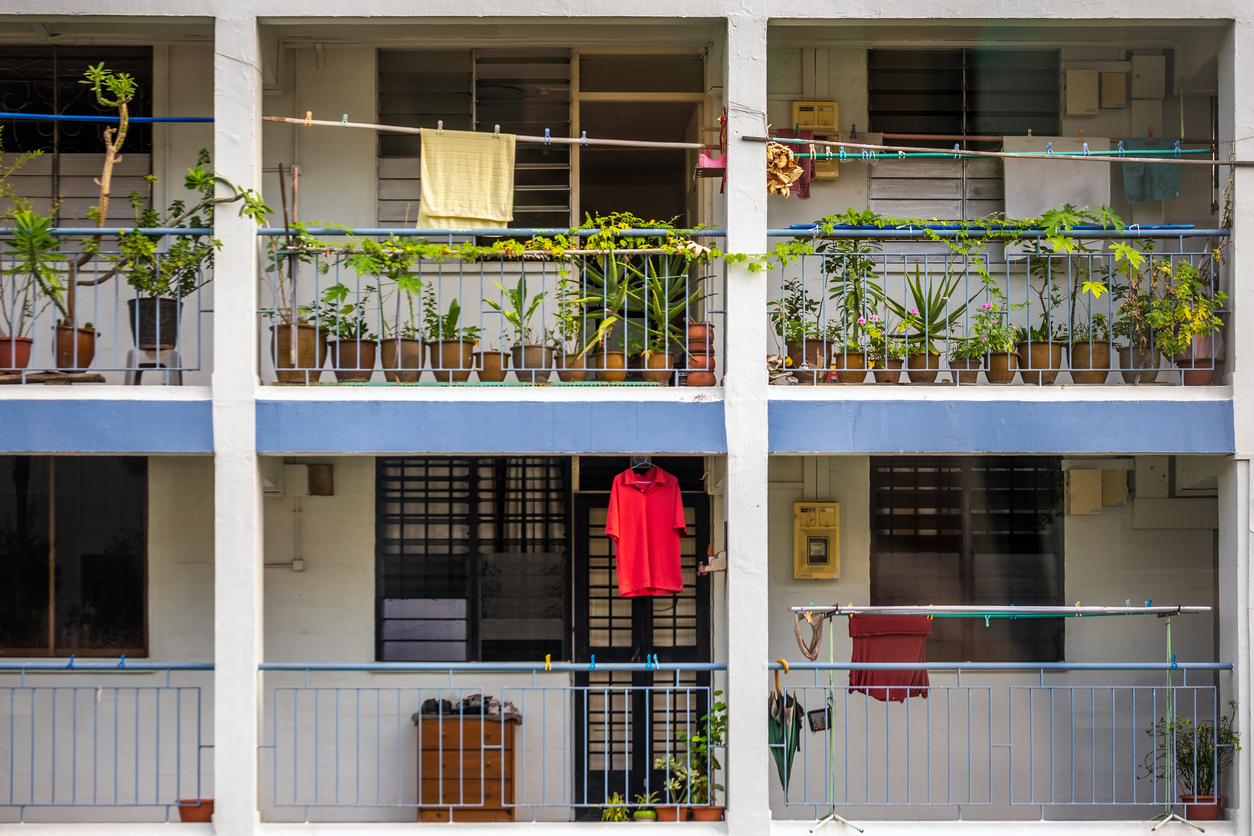
When it comes to building wealth, there is plenty of content about how you can get richer by investing. However, for lower-income Singaporeans, investing is not something that is on their mind.
This is because lower-income households face a different set of immediate financial challenges. In some cases, they can end up paying more for the same goods and services than households with greater financial resources. This is sometimes called the “poverty premium”, which refers to the extra costs lower-income households may incur because they have less financial flexibility.
#1 Missing Out On Credit Card Rebates & Promotions
Singapore’s credit card market is built heavily around rewards, from cashback and air miles to dining discounts, petrol rebates and online shopping promotions. These benefits mainly go to consumers who qualify for credit cards and can pay their balances in full each month.
Lower-income households may find it harder to qualify for certain cards or may avoid using credit because of the risk of carrying a balance. This means missing out on rebates and discounts that another household making the same purchases could enjoy.
#2 Older Appliances Can Cost More To Run
Replacing an old fridge or air-conditioning unit with a more energy-efficient model requires cash up front. For households with limited savings, that can be difficult. As a result, they may have to continue using less efficient appliances and over the long term, end up paying higher electricity bills.
Read Also: 5 Reasons As Identified By The Household Needs Study For Why ‘People Are Poor’ In Singapore
#3 Higher Borrowing Costs
Ironically, the people who can least afford high borrowing costs can sometimes end up paying the most for credit.
Households with smaller financial buffers may have weaker credit profiles, fewer assets or less established credit histories. When they need to borrow, the available options can be more expensive.
A personal loan from a bank may be difficult to obtain without sufficient income. Licensed moneylenders provide an alternative, but with interest rates legally capped at 4% per month, borrowing can still be much more expensive than mainstream credit available to stronger borrowers.
#4 Late Payment Charges
A delayed payment or unexpected expense may result in several bills being paid late at once. Utilities, mobile plans, and credit card payments can all incur penalty charges. Each fee may be small, but they add up for a household already operating on a tight monthly budget.
In these situations, the problem is not necessarily financial irresponsibility. Sometimes, the household simply does not have enough cash available at the right time.
#5 Paying By Instalments For Essential Purchases
When a washing machine breaks down, or a phone stops working, replacing it may be necessary.
A household with savings can pay upfront, but one without savings may need to rely on an interest-bearing instalment plan. That means paying more over time depending on the interest rate and repayment period.
For someone without a financial buffer, this extra cost is effectively the price of not having enough cash upfront.
#6 Living Farther From Work
More affordable housing in Singapore can sometimes mean living farther from major work districts. A longer commute not only means spending more on public transport, but also paying more both in terms of transport cost and time spent on the commute. More hours spent travelling each week means less time for work, family responsibilities or rest.
#7 Being Unable To Afford Preventive Healthcare
Dental check-ups, health screenings, and early treatment all require upfront payment. Unfortunately, for households where most of the monthly budget is already committed, preventive healthcare can be easy to postpone.
The problem is that delaying treatment can make the eventual bill larger. A cavity left untreated, for example, may require more extensive (and expensive) treatment later. The difficulty is that even when spending money today could save money later, lower-income households may not have enough room in their current budget to do so.
#8 Higher Insurance Costs After Delaying Coverage
Health and life insurance premiums are partly affected by age and medical history at the point of application. Someone who applies when younger and in good health may pay lower premiums and face fewer exclusions than someone applying later, after health conditions have developed.
For lower-income households, however, insurance premiums may feel unaffordable earlier in adulthood. Delaying coverage may save money in the short term, but it can also lead to higher premiums, exclusions for pre-existing conditions, or greater difficulty obtaining certain types of coverage later.
Having Less Financial Flexibility Can Make Everyday Life More Expensive
Across these examples, the common thread is not necessarily poor decision-making. It is a lack of financial flexibility. When you have a financial buffer, you can often afford to spend more upfront to save money later. Without that buffer, the cheaper long-term option may simply be out of reach.
You may have to buy an appliance in instalments and end up paying more because paying upfront is not possible. Or you may postpone an expense because there simply is not enough room in this month’s budget.
That is why telling people to make better financial decisions only addresses part of the issue. Sometimes, the more expensive option is not a bad choice. It is the only realistic one available.
Read Also: From CPF To Bank Accounts: 5 Financial Decisions Singaporeans May Be Making Without Realising It
Photo Credit: iStock/RuslanKaln
Advertiser Message
Thinking Of Switching Brokers Or Consolidating Your Holdings?
Tiger Brokers is currently running a transfer-in campaign where eligible clients can receive an iPhone 17 Pro Max* when they transfer in their assets.
For SGX investors, there is also a CDP Transfer promotion with 0* commissions on Singapore stocks.
Find out more here. *T&Cs apply.




Street Smart
Singapore Gym Membership Price Guide (2026 Edition)


