
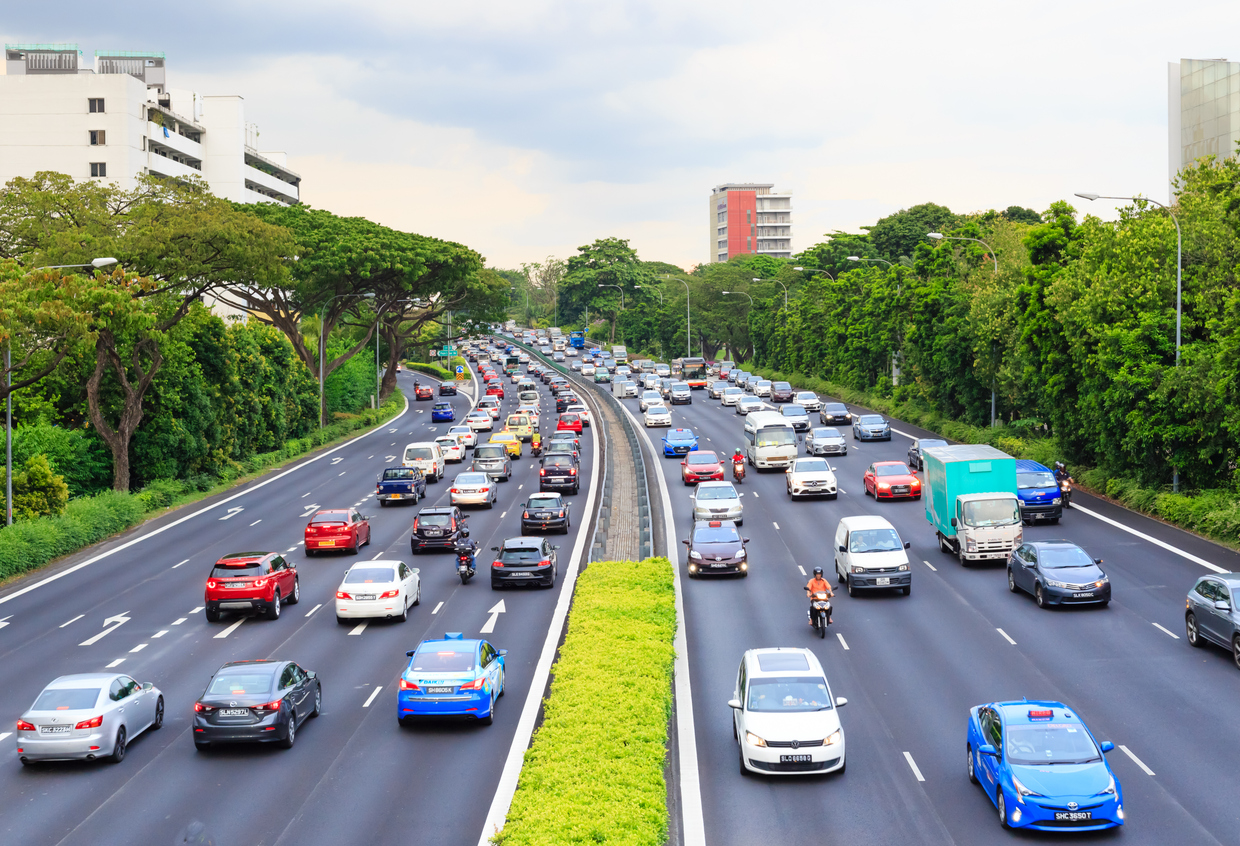
For most of us in Singapore, a car is a luxury that offers convenience, albeit at a steep cost. Between the Certificate of Entitlement (COE), road tax, insurance, parking, and maintenance, the annual bill for owning and running a car can easily stretch into thousands of dollars.
However, that cost can climb even higher if your car is ever impounded. Beyond the inconvenience, it can mean weeks of administrative hassle and mounting fees. The question is: what actually happens when the authorities take your car away, and more importantly, how do you get it back?
Why Cars Get Impounded
Under the Road Traffic Act, both the Traffic Police and the Land Transport Authority (LTA) have the power to seize or detain vehicles. Common reasons include driving without valid insurance, failing to pay outstanding fines, using a vehicle for illegal ride-hailing services or making illegal modifications such as loud exhaust systems and heavily tinted windows. For more severe offences, such as illegal racing, dangerous driving, or drink-driving, cars can also be seized as evidence or permanently forfeited.
The logic is straightforward. Singapore’s vehicle ownership rules are among the strictest in the world, and the authorities treat violations with little tolerance. Impoundment serves both as a punishment and a deterrent, a visible reminder that the privilege of car ownership comes with legal responsibilities.
What Happens When Your Car Get Impounded
When enforcement officers decide that your vehicle should be impounded, it will usually be towed to a secure facility, commonly referred to as a vehicle pound. In some cases, an authorised officer may drive it there directly. The car remains in official custody until the case is resolved or the conditions for release are met.
You’ll be notified —either on the spot, by formal notice, or through a written letter — explaining why the car was impounded and what needs to be done to retrieve it. The process can differ depending on which agency is involved. The Traffic Police typically handle cases linked to offences such as reckless or drink-driving, while the LTA deals with violations involving vehicle modifications, insurance or illegal transport services.
It’s worth clarifying that other agencies, such as URA, HDB, or town councils, also have the authority to tow vehicles parked illegally. However, those situations typically fall under the jurisdiction of parking enforcement.
Once a car enters an official pound, it cannot be released until the owner meets all the required conditions, which could include paying fines, producing valid insurance documents, or removing prohibited modifications.
What About Foreign Vehicles That Get Impounded?
Impoundment doesn’t only affect Singapore-registered cars. Foreign vehicles, particularly Malaysian-registered ones, can also be detained if they’re involved in offences committed within Singapore.
In recent months, the LTA has stepped up enforcement against Malaysian drivers using their vehicles for illegal cross-border or ride-hailing services — for instance, picking up passengers in Singapore without a valid Public Service Vehicle Licence. In April 2025, LTA reported that over 100 foreign vehicles were being investigated for suspected illegal operations, with more than 20 cars and motorcycles already impounded.
Once impounded, these vehicles are held at an LTA-managed pound. Owners are notified and must provide the required documents and evidence to clear the offence before their vehicle can be released.
If they fail to respond within the stipulated time, the LTA may forfeit and dispose of the vehicle, either through auction or scrapping. Even though the owners reside overseas, they remain responsible for any outstanding fines and costs.
For some foreign motorists, especially those who rarely return to Singapore, the process may drag on indefinitely. In a few cases, vehicles have been left unclaimed for years, effectively abandoned in the pound.
The Costs
Recovering an impounded car can be costly. Beyond fines for the original offence, owners must bear the administrative and operational costs involved in removing, storing, and releasing the vehicle.
The Road Traffic (Vehicle Removal, Storage and Release Charges) Rules outline the official fees, including towing charges and daily storage rates. The longer your car stays in the pound, the higher the bill climbs. For vehicles impounded due to illegal modifications, you’ll also have to pay for inspections and restoration work before the car can be approved for release.
In more serious cases, legal proceedings may follow. If the offence goes to court, the penalties could extend far beyond the impoundment itself. A few hundred dollars in fines can quickly escalate into thousands once towing, storage, and rectification costs are factored in.
At the Traffic Police’s vehicle pound along Airport Road, for example, there were more than 1,000 vehicles held as of late 2024, including two that had been sitting there since 2015. Each unclaimed car represents a case that was either unresolved or abandoned, and the bills for those vehicles continue to accumulate.
Prevention Is Better (And Cheaper)
In Singapore, it doesn’t take much to fall afoul of strict vehicle regulations. Enforcement agencies conduct regular roadblocks, surveillance, and checks to catch offences such as illegal ride-hailing or modified exhausts.
The easiest way to avoid having your car impounded is to stay compliant. Keep your insurance and road tax up to date, pay fines promptly, and avoid any modifications that haven’t been approved by the LTA.
Given how expensive it already is to own a car, an impoundment adds unnecessary financial and emotional strain. The process of recovering your vehicle is bureaucratic, time-consuming, and costly. But in most cases, it’s entirely preventable.
However, if you ever find yourself in that situation, the best course of action is to act fast, comply fully, and clear the issue as soon as possible. But the real lesson is preventive: staying compliant saves you time, money, and peace of mind. With Singapore’s strict enforcement and high cost of car ownership, it’s simply not worth taking the risk.
Read Also: Cost Of Owning A Car In Singapore Over 10 Years
Photo Credit: iStock


Lifestyle
15 Of The Cheapest EV Cars In Singapore


Budgeting 101
7 Ways Being Frugal Is Different From Being Cheap


Street Smart
Singapore Gym Membership Price Guide (2026 Edition)
Street Smart
Singapore Gym Membership Price Guide (2026 Edition)


