
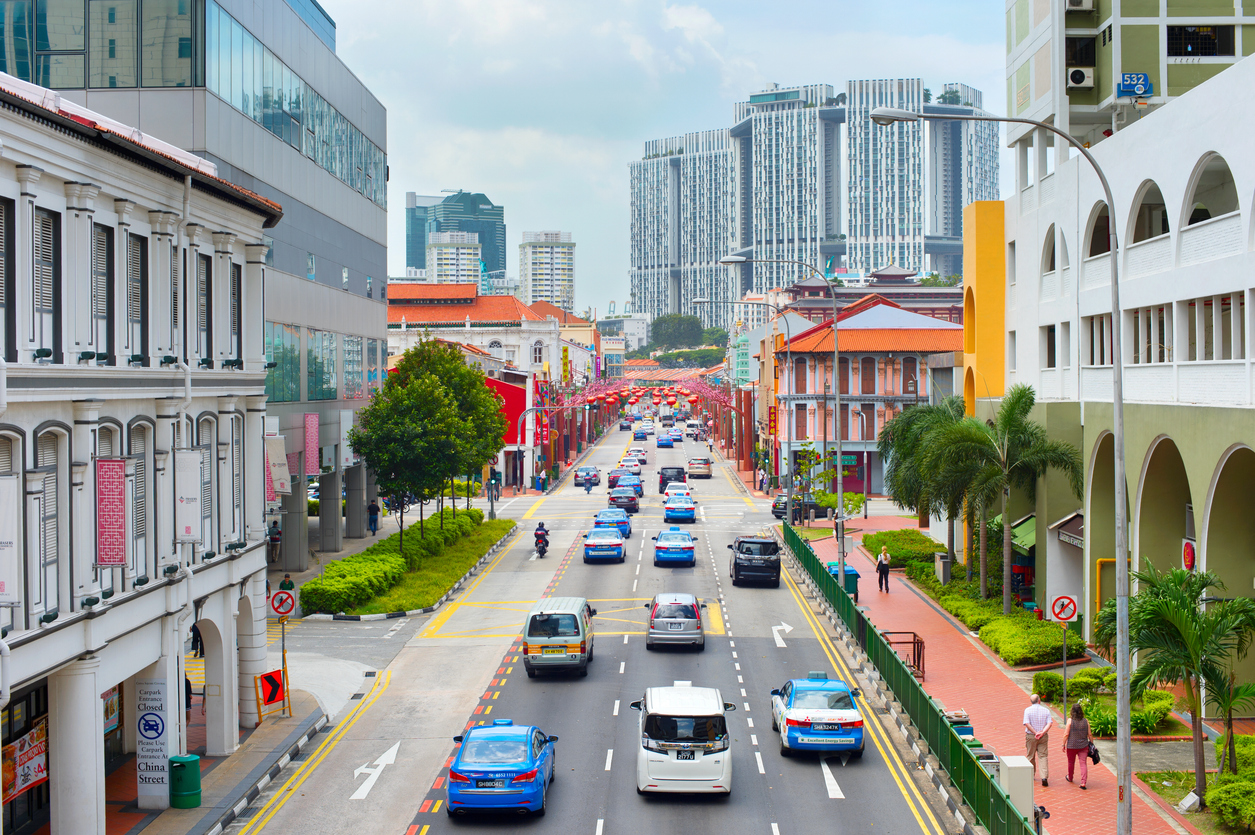
For many Singaporeans, owning a car remains an aspiration. After all, it was one of the original 5Cs that many of us who grew up in the 90s would remember.
Having a car means not having to rely entirely on public transport or being at the mercy of surge-priced ride-hailing fares when trying to get home. It also makes grocery runs easier, school drop-offs more convenient and spontaneous weekend outings far less of a hassle.
For larger families, a car also makes it easier for everyone to travel together, including young children and elderly parents.
But in Singapore, car ownership is not simply about whether you can afford the purchase price. It is about whether your income can comfortably support the ongoing cost of owning one.
Why Owning A Car In Singapore Is So Expensive
A car in Singapore costs far more than just its listed showroom price.
Take the Toyota Corolla Altis as an example. In many countries, the Corolla is considered a practical, middle-class family car. In markets such as Australia and Japan, it is an affordable everyday purchase.
In Singapore, however, the same car costs around $194,888, including COE. Based on current market pricing, the annual depreciation alone amounts to about $19,400, or roughly $1,616 per month, before accounting for any day-to-day running costs.
That is the kind of price tag that could get you an entry-level luxury car elsewhere. For context, in Germany, a Porsche 911 starts from around €136,300 (about S$202,000).
Then come the additional ownership expenses.
Insurance: Depending on your age, driving experience and claims history, insurance costs will vary. Assuming $1,500 a year, this works out to about $125 a month.
Road tax: Road tax for a Toyota Corolla Altis is $742 a year, or about $62 a month.
Interest cost: If you borrow 60% of the car’s purchase price, that would amount to $116,933. Assuming an interest rate of 2.5% per annum, total interest paid over a seven-year loan tenure would be about $20,463. Spread over 10 years, this works out to around $170 a month.
Parking, ERP and petrol: HDB season parking costs $110 a month. Additional workplace parking may also apply. Assuming petrol costs of $150 per month and ERP charges of $30, the total is around $290 per month.
Servicing and maintenance: Assuming annual servicing costs of $500 over 10 years, plus an additional $5,000 set aside for repairs and major parts replacement, this amounts to $10,000 over a decade, or about $83 per month.
| Cost Component | Assumption | Estimated Monthly Cost |
| Depreciation | $19,400 per year | $1,616 |
| Insurance | $1,500 per year | $125 |
| Road Tax | $742 per year | $62 |
| Interest Cost | $20,463 over 10 years | $170 |
| Parking, ERP & Petrol | $290/month | $290 |
| Servicing | $10,000 over 10 years | $83 |
| Total | $2,346 |
What Salary Do You Actually Need?
A useful rule of thumb is to keep transport expenses within 10% to 15% of your household income. This helps ensure that owning a car remains a convenience that supports you in your life, rather than a financial burden.
After all, your car is only one part of your monthly budget. You still need to account for housing costs, daily living expenses, leisure, savings and investments for your retirement, healthcare costs and insurance premiums.
Based on a monthly car ownership cost of $2,346, a household using the 15% benchmark would ideally need a monthly income of at least $15,640. Using a more conservative 10% benchmark, this rises to $23,460 a month. This suggests that a household would likely need to earn between $15,640 and $23,460 per month to comfortably own a car. This would place them roughly in the 61st to 80th percentile income quintile in Singapore, which is essentially Singapore’s higher-income households (i.e., upper-middle-income group).

Source: Singstats
When A Car May Be Stretching Your Finances
A car may be stretching your finances if your monthly ownership costs exceed 20% to 25% of your household income, or if you are dipping into emergency savings to cover annual car-related expenses.
Other warning signs include carrying high-interest debt, such as credit card balances; delaying housing or investment plans because you are spending too much on your car; or relying on annual bonuses to cover car-related costs.
If any of these sound familiar, it may be worth reconsidering whether now is the right time to buy a car.
Read Also: Cost Of Owning A Car In Singapore Over 10 Years
Photo Credit: iStock/joyt


Lifestyle
15 Of The Cheapest EV Cars In Singapore


Budgeting 101
7 Ways Being Frugal Is Different From Being Cheap


Street Smart
Singapore Gym Membership Price Guide (2026 Edition)


Street Smart
Singapore Gym Membership Price Guide (2026 Edition)

Bonds and Fixed Income
Complete Guide To Buying Singapore Savings Bonds (SSB) [2026 Edition]


