

Entrepreneurship isn’t just about starting a business. For children, it can begin with learning how ideas become products, how pricing works, why branding matters, and what it means to earn and manage money.
For parents, the right books can be a simple way to introduce these lessons early. Whether your child enjoys drawing, baking, crafts or coding, these books can help them see how a hobby could one day become a small business, and how money decisions go beyond simply saving what they earn.
Here’s our recommended list of books to help build these foundations early.
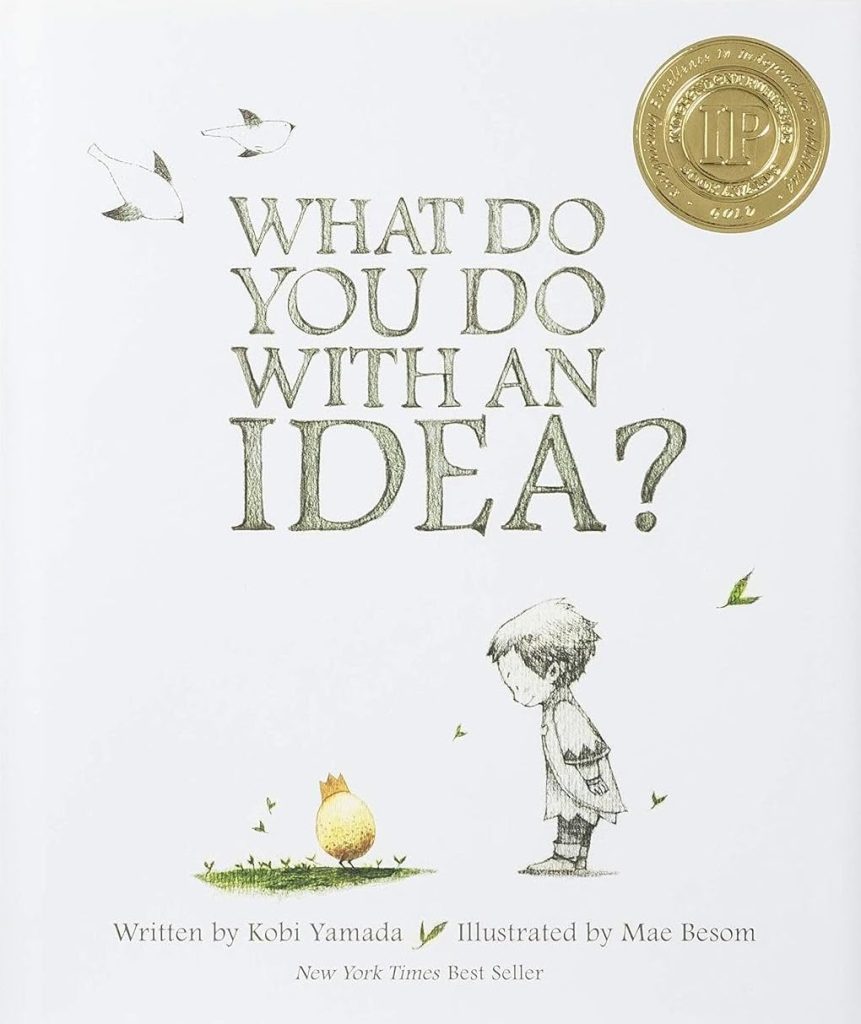
#1 What Do You Do With An Idea?
By Kobi Yamada
Source: Amazon
Before your child learns the concept of “scaling” or “traction”, they first need to believe that their ideas are worth exploring. This illustrated book follows a child with an idea that seemed different at first, daring even. Sparking creativity, this book teaches that it’s okay to be different, because ideas can be fragile especially without enough nurturing and support.
Best for Pre-schoolers and Lower Primary (Ages 5-8). This child-friendly picture book teaches confidence in originality, encouraging young readers not to be afraid to go out of their comfort zones.
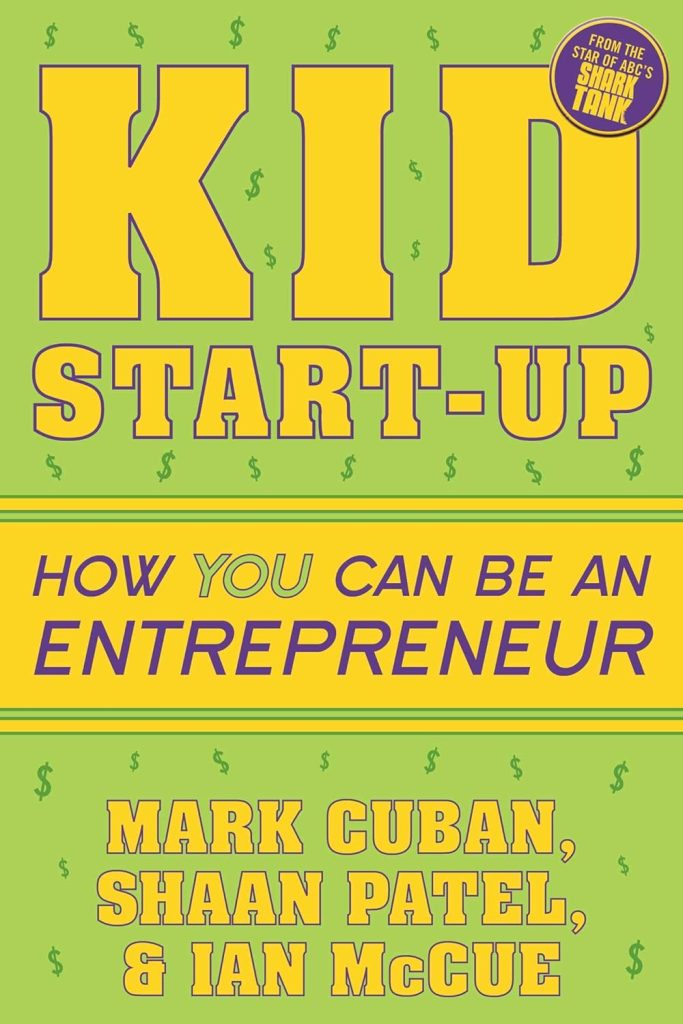
#2 Kid Start-Up: How YOU Can Become An Entrepreneur
By Mark Cuban, Shaan Patel, Ian McCue
Source: Amazon
For children who are curious about earning their own money, Kid Start-Up gives them a practical first look at entrepreneurship.
Filled with a few crafty business ideas, this book motivates kids to get creative and start building a career for themselves, regardless of age. Mark Cuban’s name may appeal to parents familiar with Shark Tank, but the book itself is less about aggressive pitching and more about building a problem-solving mindset. This book is often gifted by parents who are fans of the show to inspire their children with a “hustle” mindset.
According to the “Cuban Rule”: One thing we can all control is effort.
For young readers, it makes entrepreneurship feel accessible, whether they are thinking of selling handmade crafts, offering a simple service, or turning a small idea into something more structured.
Best for Upper Primary (Ages 9-12). This easy-to-read book includes a list of 10 simple business inspirations that is straightforward for all ages, and teaches how to identify opportunities.
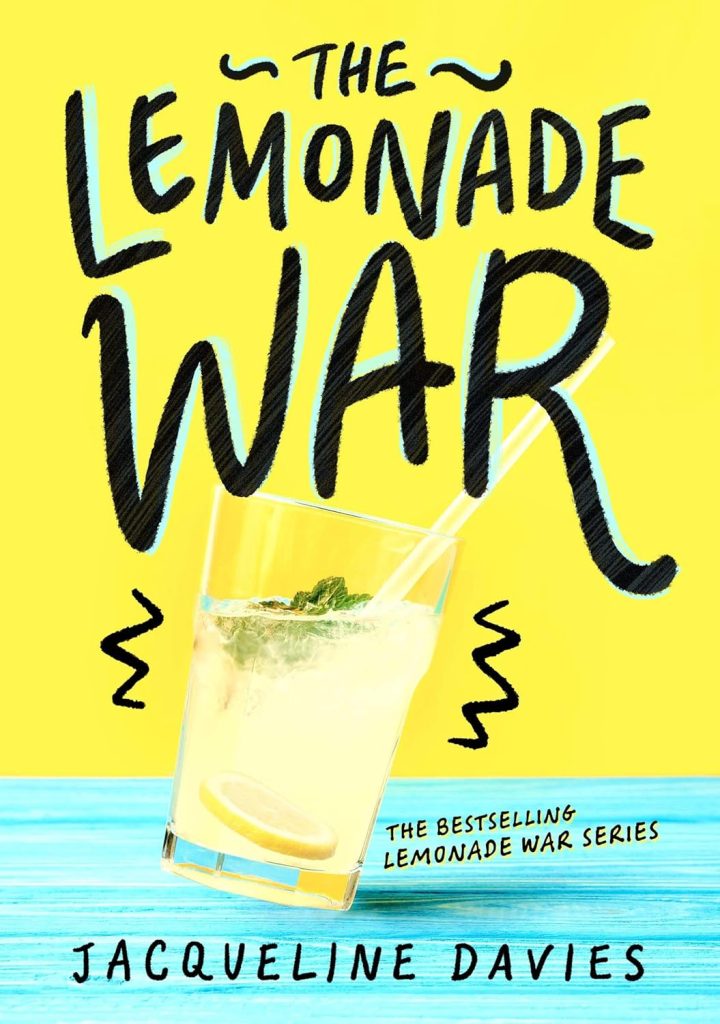
#3 The Lemonade War
By Jacqueline Davies
Source: Amazon
This children’s fiction storybook follows two siblings as they encounter rivalry and conflict while learning about the value of a business. Not only is it relatable and teaches about empathy, honesty and conflict resolution, it also helps young readers understand the basic business concepts such as profit and marketing.
Best for Primary Schoolers (Ages 8-12). It touches on business fundamentals and teaches life lessons such as competition.
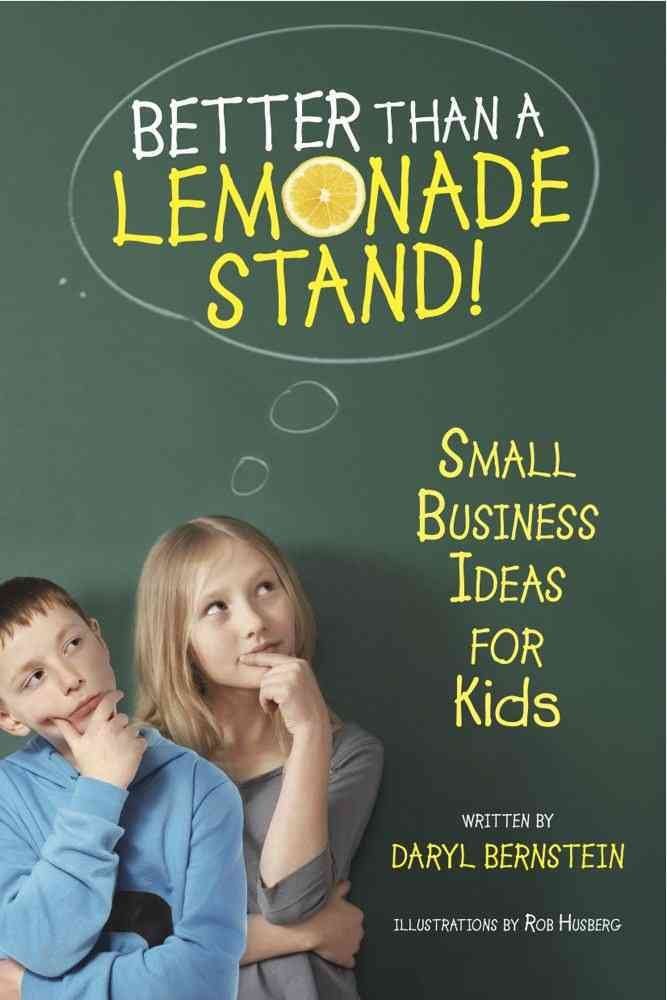
#4 Better Than A Lemonade Stand! Small Business Ideas For Kids
By Daryl Bernstein
Source: Amazon
Some children may already know that they want to “sell something”, but may not know what kind of business they can realistically try.
Better Than A Lemonade Stand! works well as a practical idea starter. Instead of only explaining entrepreneurship in theory, it gives children examples of small businesses they can understand, from cake baking and gift wrapping to pet sitting, jewellery making and other simple services.
This interactive guide not only comprises over 50 entrepreneurial ideas that are doable for kids, but also fun quizzes for readers to better understand themselves and what type of business would best suit them. They might even pick up new skills while having fun trying to make money.
For parents, this makes the book a good starting point for helping kids move from “I want to start a business” to “what can I actually do?”
Best for Primary Schoolers (Ages 7-12). This book teaches business ideas, self-awareness, matching hobbies to opportunities and taking small first steps.
#5 A Smart Girl’s Guide: Money: How To Make It, Save It, And Spend It
By Nancy Holyoke

Source: Amazon
Before children learn how to earn money, they also need to understand how they spend it.
This book introduces money through everyday decisions that children can relate to, such as saving for something they want, setting a budget, and deciding whether a purchase is really worth it. It also covers the emotional side of spending, including why we may feel tempted to buy things on impulse.
For young readers interested in starting a small business, this is useful because entrepreneurship is not only about making money, but also about knowing how to manage what you earn, price your effort properly and make thoughtful spending decisions.
Best for Upper Primary (Ages 9-12). This is a handy guide book on money habits behind entrepreneurship, giving tips on running a business and to help readers identify their spending style.
#6 The Startup Squad: You’re The Boss
By Brian Weisfeld
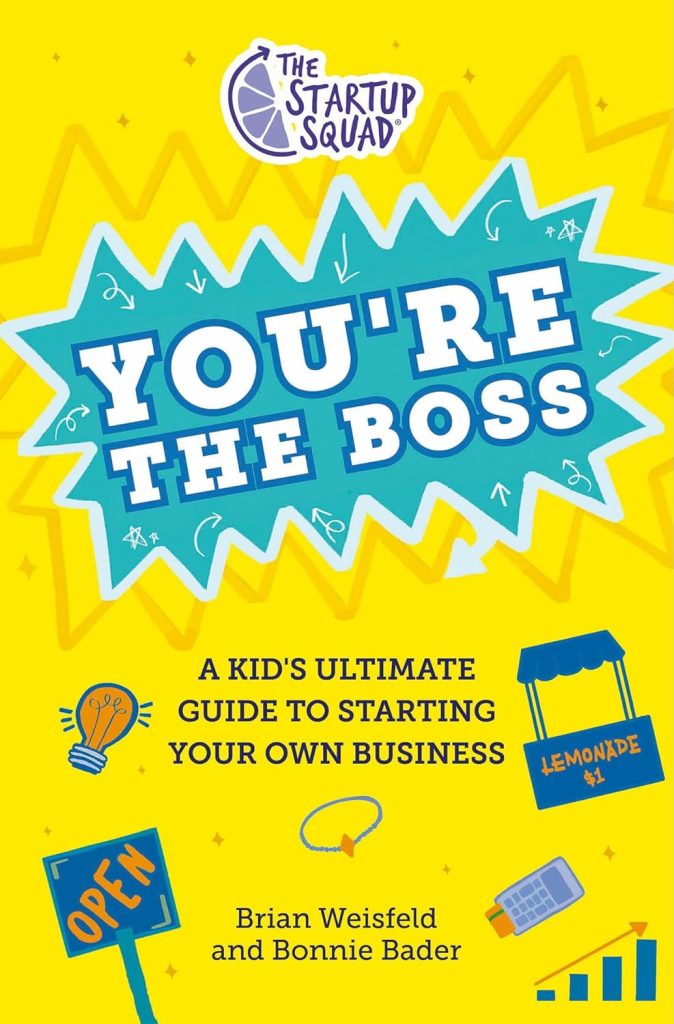
Source: Amazon
This is more of a “how-to” guide for kids to figure out which business suits them best, breaking down terms like branding, pricing, and marketing to be more straightforward. Instead of just encouraging kids to be “creative”, it helps them think through whether an idea can actually work, who they are selling to, and how they should present their product or service. If your kid is filled with many great ideas but aren’t sure if it’ll make a worthy business, this is a good book to read.
Best for Upper Primary and Lower Secondary (Ages 10-14). This book provides a structured guide and teaches business basics in a kid-friendly way.
#7 The Young Entrepreneur’s Guide To Starting And Running A Business – Turn Your Ideas Into Money!
By Steve Mariotti
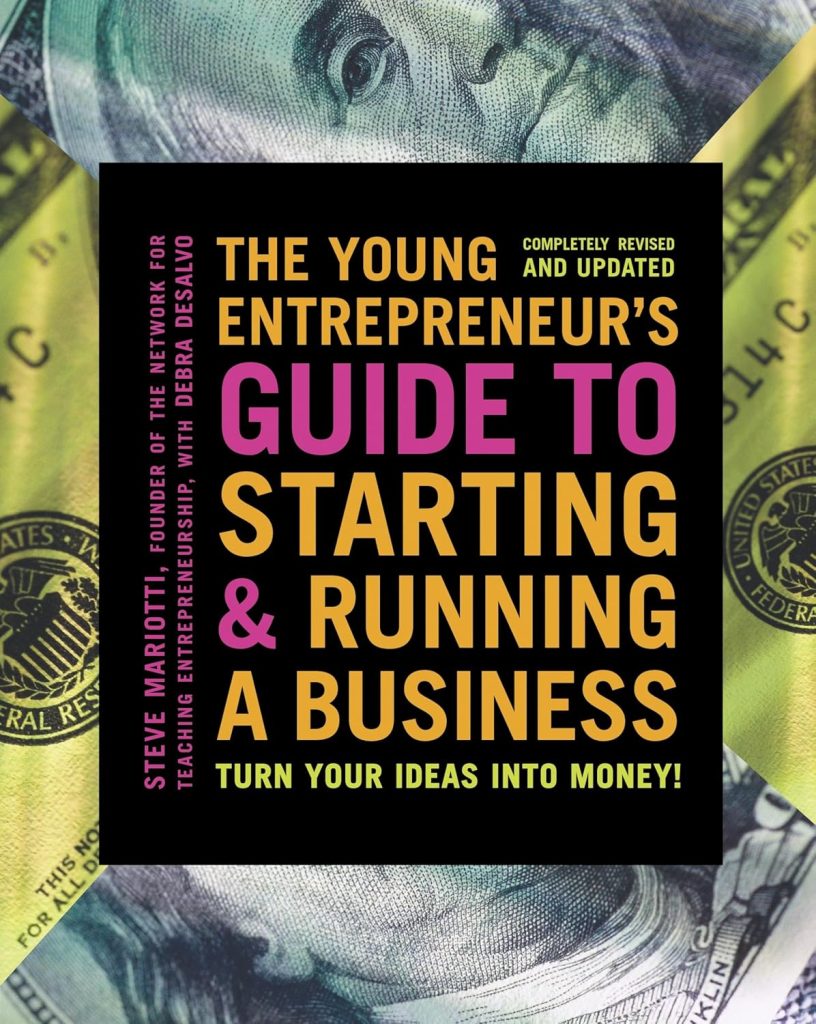
Source: Amazon
For older children and teenagers who are ready to take entrepreneurship more seriously, this book goes beyond inspiration and business ideas.
It introduces the more practical side of running a business, including how to calculate profit margins, prepare a simple business plan, keep basic records and understand why rules and responsibilities matter when money is involved. These are useful lessons for teenagers who may already be selling products, offering services or trying to turn a personal interest into income.
The skills taught in this book is highly transferable to the real-world business landscape. Starting a business is not just about having a good idea or making sales. It also requires planning, discipline, and understanding whether the business is actually making money after costs.
Best for Teenagers (Ages 13+). This book has more complexed concepts and teaches skills like how to turn interests into income.
#8 Business With Purpose
By Melodena Stephens

Source: Amazon
This book looks at how businesses can be built not just to make money, but to address real social and environmental problems in a sustainable way. That is an important shift for teenagers to understand: A strong business is not only one that sells well, but one that solves a problem clearly, serves a real need, and creates value for the community. To quote, “The true bottom line of a 21st-century enterprise is measured by the lives improved and the ecosystems restored, not just the dividends paid.”
Profit still matters. But for businesses to last in today’s economy especially, purpose and problem-solving skills matter too.
Best for Teenagers and Young Adults (Ages 14+). Suitable for advanced readers, this book addresses systemic social and environmental challenges.
Read Also: Good To Great : Why Some Companies Make The Leap — And Others Don’t by Jim Collins
From Reading About Business To Running A Real Booth
Reading these books can give children a great starting point to entrepreneurship but it is best understood when they have to try it for themselves.
That is where the 2026 Kidpreneurs Bazaar can be a practical next step. Running a booth for a day gives children the chance to handle a real business, by managing logistics, finance, and customers. After all, the best way to learn how to be the boss is to actually start being one.
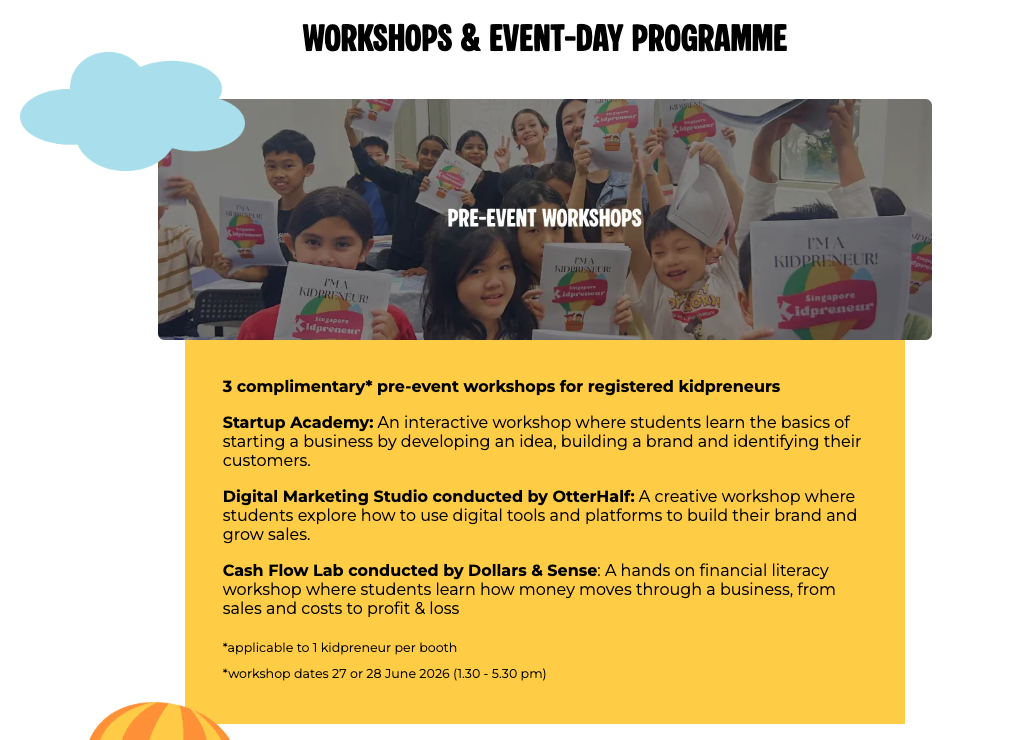
Each booth costs $325. This includes not just the booth space but also three pre-event workshops designed to help children prepare for the bazaar. You can sign up here. Slots are limited, and registration will close once all available booths are taken.
Advertiser Message
Thinking Of Switching Brokers Or Consolidating Your Holdings?
Tiger Brokers is currently running a transfer-in campaign where eligible clients can receive an iPhone 17 Pro Max* when they transfer in their assets.
For SGX investors, there is also a CDP Transfer promotion with 0* commissions on Singapore stocks.
Find out more here. *T&Cs apply.




Street Smart
Singapore Gym Membership Price Guide (2026 Edition)


