

This article was written in collaboration with Prudential. All views expressed in this article are the independent opinion of DollarsAndSense.sg based on our research. DollarsAndSense.sg is not liable for any financial losses that may arise from any transactions and readers are encouraged to do their own due diligence. You can view our full editorial policy here.
The Compulsory Education Act requires all Singapore Citizens born after 1 January 1996 who live in Singapore to attend a national primary school unless an exemption is granted.
The importance of education cannot be understated. In a small country with limited natural resources, our people are the most important asset that we have. Compulsory education helps ensure our children learn the subjects required to become valuable members of the workforce when they grow up. Topics such as English, Mother Tongue, Mathematics and Science are some compulsory subjects taught in school.
Unfortunately, financial planning is not a subject that is taught in schools. This, however, does not diminish its importance in our lives. Like it or not, financial planning is an important life skill that we will need to navigate through the different stages of our lives.
Even though many of us won’t claim to be experts in financial planning, there are some parallels that we can draw between our education and our financial planning journey. In this article, we highlight 6 things that we can learn about financial planning from our own educational journey in Singapore.
#1 Always Have A Goal In Mind
The general goal of education is to ensure that children learn essential topics they need to prepare them well for the working world. In Singapore, our children would likely undergo formal education lasting 15 years or longer before they start working. During their education journey, they may identify areas of interest and choose subjects that can better position them for jobs in sectors that they are passionate about.
In a similar way, one of the goals of financial planning would be to generate additional funds that we can use to pursue certain hobbies or experiences that we enjoy in life such as travelling, staycation and dining at restaurants. Another important goal would be to prepare ourselves for retirement. During our working years, we focus on saving and investing to build up a retirement nest egg that sees us through our later years when we are no longer working. And like our transition from being a student to a worker, some of us may take more years than others to achieve our retirement goals.
#2 Regular Reviews Are Important
While children in Singapore may only complete their formal education in 15 years’ time or longer, all students need to do regular year-end reviews throughout their education journey. This may be in the form of in-class assignments, projects, tests or exams. The idea behind these regular reviews is to allow teachers and parents to assess their children’s progress and to take early actions if the child is found to be lagging behind on any subjects that they are weaker at.
Similarly, in financial planning, we also need to regularly review our financial portfolio with a qualified financial consultant to ensure that we remain on track to achieve our retirement goals. Ideally, this should be done with someone knowledgeable, who can identify any gaps in our financial plans and guide us on how we can improve our chances of achieving a successful retirement.
#3 We Have To Get Through Critical Stages In Life
While regular reviews are important, they often just act as checkpoints to stocktake our progress, as opposed to hindering us from progressing to the next stage. For the most part, even students who don’t do well for their year-end exams are usually still allowed to advance to the next level.
However, there are some critical stages in their education journey that students need to pass to get to the next stage. These include the PSLE, O-Level & A-Level examinations. These national examinations can be stressful as they decide the available options that students can take to progress to the next phase of their education journey.
In the same way, as we work towards our retirement, we will find ourselves encountering critical milestones in our lives that we have to get through successfully. These would include getting married, buying a home, having children and for some, dealing with medical issues. Many of these stages in our life could be stressful, especially if there are also money problems that we need to deal with.
Like our major examinations, we need to prepare in advance for these critical milestones in our lives to tackle them well. These would include saving early, investing early and purchasing the relevant insurance policies to protect ourselves against any critical illnesses and accidents that could derail us from our plans.
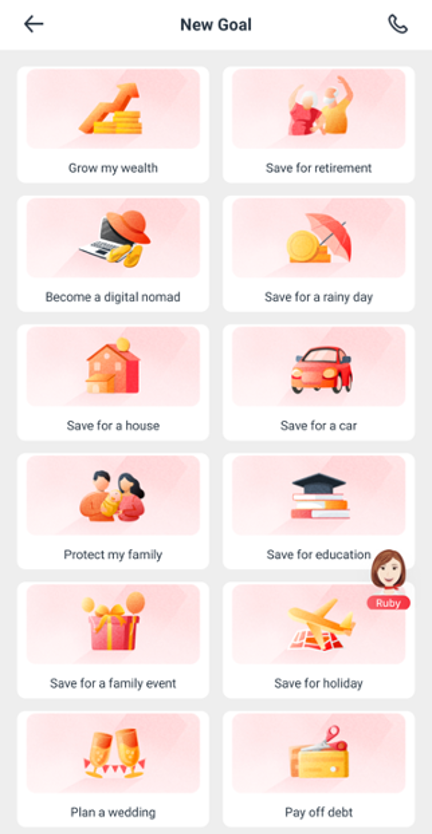
To keep track of some of these financial milestones in our life, we can use an app such as Pulse by Prudential. A recent addition to the Pulse App, Wealth@Pulse provides solutions to make our financial planning journey easier, and allows us to start planning towards various financial milestones that we have.
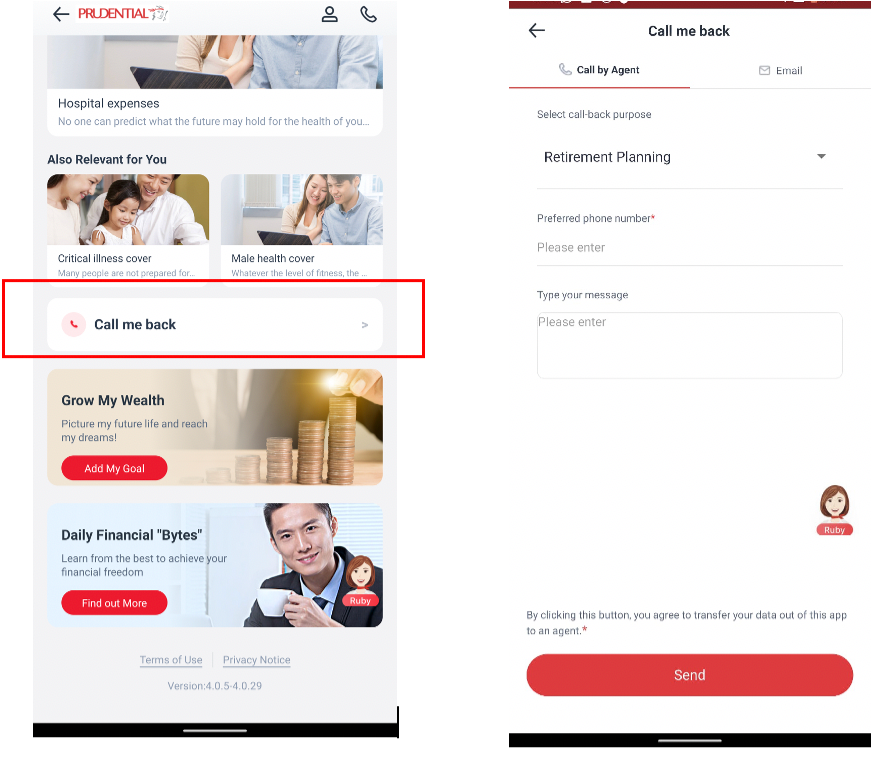
If required, the Pulse App has a “Call Me Back” button that enables us to engage experienced financial consultants from Prudential if we need someone to help us with our in-depth financial planning.
#4 Not Everyone’s Journey Will Be The Same
Even though most students will have the same general goal of wanting to do well for their examinations, particularly for major examinations, and to secure good jobs upon graduation, not everyone’s educational journey is going to be the same. Depending on their interests and what they qualify for, students will enrol in different courses, subjects and CCAs.
The same logic also applies to our financial planning journey. Though most of us would likely have the same goals, such as being able to retire well, our journey towards achieving it will not be the same.
Read Also: How Long Will It Take To Build A Desired Retirement Goal
Instead of comparing how well our plans are doing against our peers, like how students will compare grades with one another, we should focus on investing in what we are comfortable with and, more importantly, what works for us. Just like our education journey, our retirement plans may differ from the people around us and that is perfectly fine as long as we are on the route to achieving what we want.
#5 Our Journey Doesn’t End After We Hit Our Goals
In our fast-changing world, we need to continue learning even after completing formal education. This is why the government has introduced initiatives such as SkillsFuture to promote lifelong learning among Singaporeans, and at the same time, is also increasing both the retirement and re-employment age in Singapore to 65 and 70 respectively by 2030.
In a recent Ready for 100 economist report commissioned by Prudential, it’s found that while only [i]50 people in Singapore were age 100 in 1950, this number has increased to 1,100 in 2015. And with the ongoing progress of medical advancement, we can expect this number to continue increasing in the future.
As such, even during retirement, we should review our financial plans regularly to ensure they evolve along with our changing needs, wants and life expectancy. A trusted financial consultant can help us review our plans and ensure that they remain aligned to what we need during our retirement, and the changing circumstances in the financial markets.
[i] Ready for 100 economist report commissioned by Prudential
#6 Prepare For Our Retirement Like How We Would So For Our Major Exam
Very few students in Singapore would go into an exam being underprepared. Most students would study hard in advance and prepare themselves to do their best for their exams.
Similarly, when it comes to our retirement, or other major financial milestones like buying a dream home, we do not want to be underprepared. And preparing for our retirement means ensuring that we have a financial plan at a younger age to help us work towards our goal.
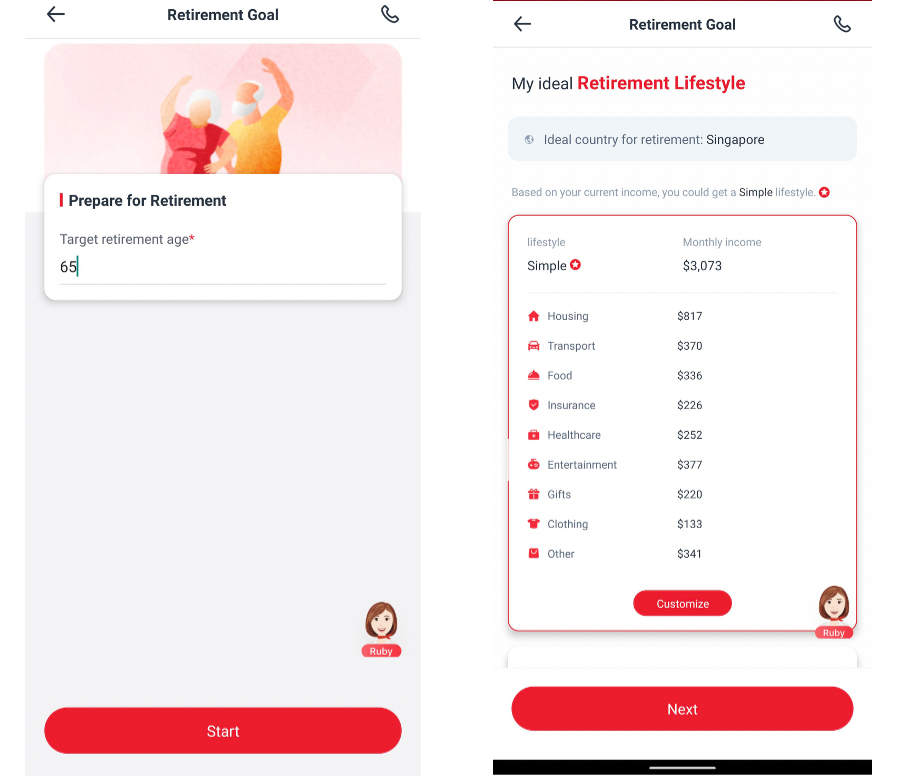
Wealth@Pulse, which is available on the Pulse App, can help to get us started on this financial plan. Using Wealth@Pulse, we can set financial goals for ourselves such as to save for retirement and to input how much we hope to have during retirement.
Financial planning can be daunting – it involves time, money and the need to make plans that will only take place years from now. Just like how we can’t expect to learn everything we need for our educational journey in just 1-2 years, it may take years before we get to see the results of our financial plans.
With our inputs, Wealth@Pulse will let us know if we are on track to achieve our retirement goals, and what we can do is if we are not on track to achieve our goals.
Download the Pulse by Prudential today and start using Wealth@Pulse to get started on our financial planning journey.
Read Also: 5 Ways You Can Use The Pulse App To Better Manage Your Finances
This article is for your information only and does not have regard to the specific investment objectives, financial situation and particular needs of any persons. Information is accurate as at 23 March 2022, unless otherwise indicated.


Lifestyle
15 Of The Cheapest EV Cars In Singapore


Budgeting 101
7 Ways Being Frugal Is Different From Being Cheap


Street Smart
Singapore Gym Membership Price Guide (2026 Edition)


