
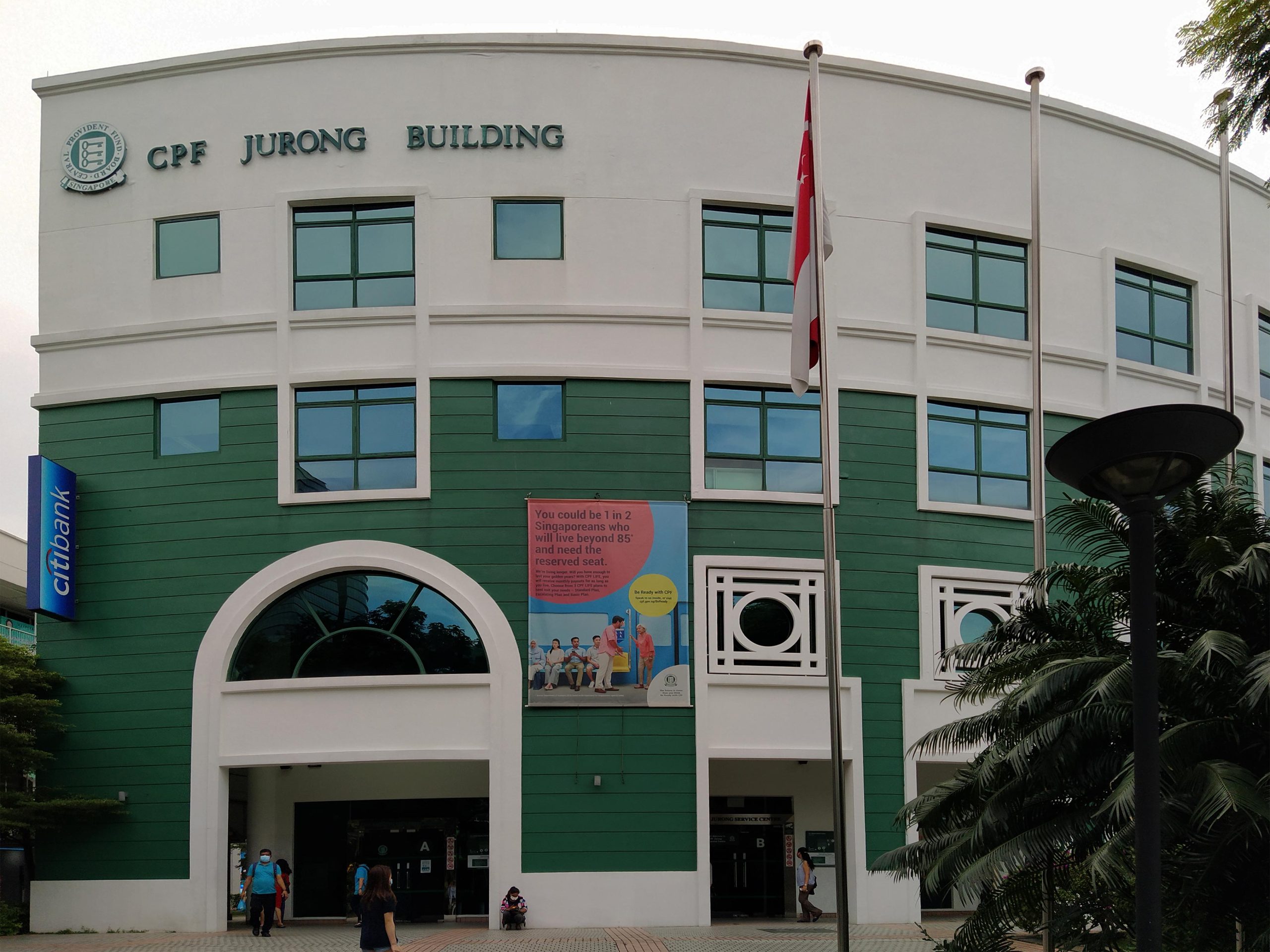
When planning for CPF LIFE, most people focus on two things. How much they want to set aside in their Retirement Account at age 55, and how much monthly income they can expect from age 65.
That usually brings the Full Retirement Sum and, for those who can afford it, the Enhanced Retirement Sum into focus. The Basic Retirement Sum is often seen as a fallback.
In practice, the BRS plays a much larger role in how Singapore’s retirement system operates.
Why The Full Retirement Sum Dominates Most Discussions
The Full Retirement Sum (FRS) is set at $220,400 in 2026. You can think of that as the default amount we should set aside in our Retirement Account when it’s created at age 55. This translates to an estimated CPF LIFE payout of about $1,780 a month from age 65.
The FRS figure broadly matches actual spending patterns. SingStat data show that resident households with at least one non-working person aged 65 and above spend about $1,737 per month, at the 41st to 60th percentiles. In other words, the FRS is calibrated to cover what a median retiree household realistically spends.
For those seeking a higher lifetime income, the Enhanced Retirement Sum doubles the FRS. At $440,800 in 2026, it offers an estimated monthly payout of approximately $3,440 and represents the maximum amount you can contribute to your Retirement Account after turning 55.
Against these larger numbers, the Basic Retirement Sum can look inadequate.
Read Also: BRS, FRS, ERS: Why There Are 3 CPF Retirement Sums & Why They Increase Every Year
What The Basic Retirement Sum Is Actually Designed For
The Basic Retirement Sum (BRS), at $110,200 in 2026, provides an estimated CPF LIFE payout of about $950 a month from age 65. This is not meant to support the same lifestyle as the FRS or ERS.
Instead, the BRS is designed for retirees from lower-middle-income households who own their homes and do not pay rent. The key assumption is that if retirees own their own place, their monthly expenses will be significantly lower because they do not have to pay rent, allowing a lower monthly cash payout to still be sufficient to meet basic needs.
Property Pledging Shows Why The BRS Matters
The role of the Basic Retirement Sum becomes clearer when property pledging is considered.
At age 55, CPF will try to set aside the Full Retirement Sum (FRS) in your Retirement Account. If you own a property, you have the option of setting aside only the Basic Retirement Sum instead. The gap is not ignored. It is effectively covered by the value of your home.
Pledging your property does not change how you live in it. CPF does not take ownership, place restrictions on your home, or interfere with your use of it. The pledge is simply an acknowledgement that your property is part of your retirement resources. If you later sell or transfer the property, some of the proceeds may need to be used to top up your Retirement Account, up to the FRS
Using 2026 figures makes this easier to see. If you set aside the BRS of $110,200, the remaining $110,200 needed to reach the FRS is supported by your share of the property value. In practical terms, you are still meeting the FRS, just through a mix of cash savings and housing equity rather than cash alone.
The BRS Also Determines Eligibility For The MRSS
The Basic Retirement Sum also acts as a gatekeeper for government support schemes. One clear example is the Matched Retirement Savings Scheme (MRSS).
Under MRSS, CPF members receive dollar-for-dollar matching grants when they top up their Retirement Account with cash. However, this only applies if their Retirement Account balance is below the prevailing Basic Retirement Sum. Once you cross that line, the matching stops.
This reflects a deliberate policy choice. Government support is meant to help retirees reach a basic, adequate level of retirement savings, not to boost balances that are already sufficient.
Because the BRS increases over time, the eligibility threshold rises alongside it. This ensures that support remains aligned with rising living costs, rather than being fixed at a level that gradually becomes outdated.
Why The BRS Deserves More Attention
The Basic Retirement Sum shows up in more CPF decisions than many people realise. It is the figure CPF uses to determine what a “basic” retirement looks like, whether your home can count toward part of your retirement savings, and who qualifies for extra support, such as the Matched Retirement Savings Scheme.
The Full Retirement Sum and Enhanced Retirement Sum tend to receive more attention because they offer higher payouts. But the BRS is the yardstick against which everything else is measured. Once you understand how it works, it becomes easier to see how CPF ties together monthly income, home ownership and government support.
Looked at this way, the BRS is not just the lowest target you can aim for. It is the starting point around which the rest of the system is built.
Photo Credit: DollarsAndSense/Raymond Quek


Street Smart
Singapore Gym Membership Price Guide (2026 Edition)


