
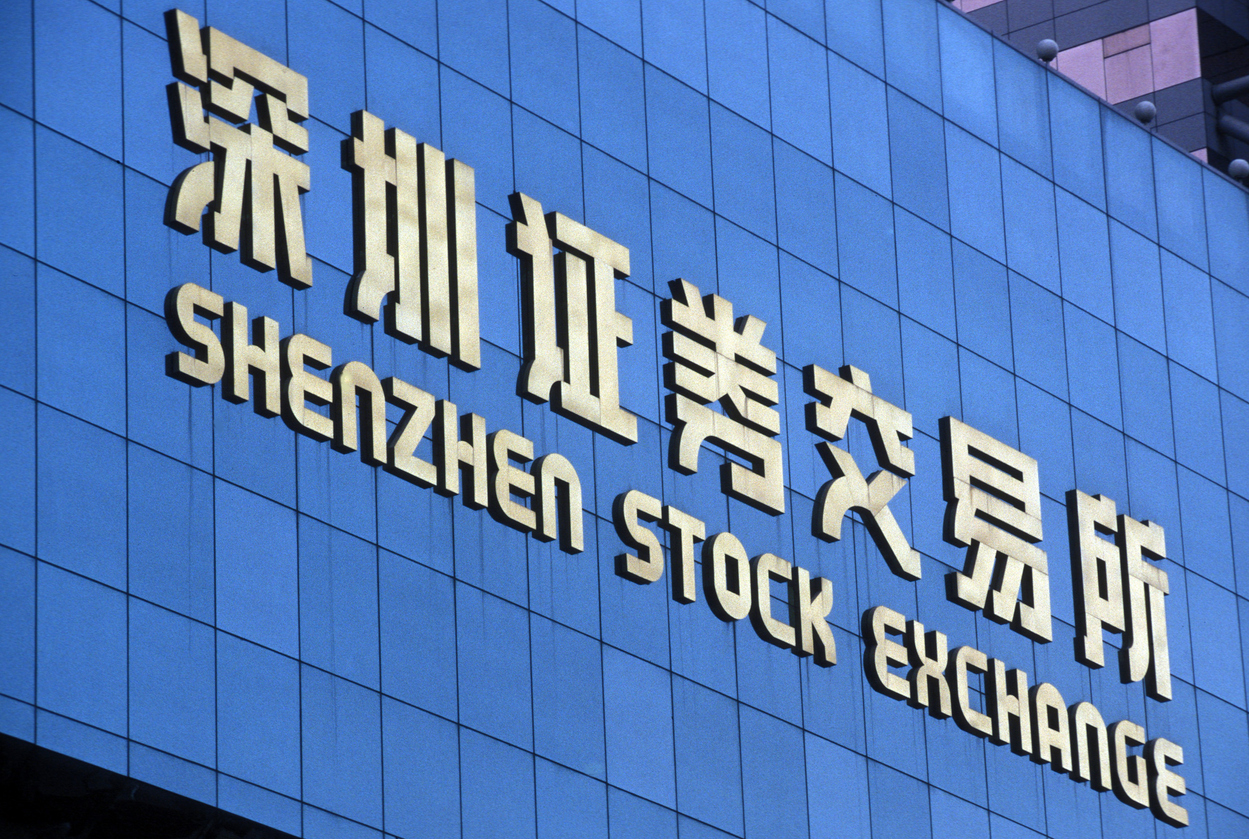
If you’re an investor based in Singapore, there’s a good chance you use Moomoo, Tiger Brokers or Longbridge to invest in US and Hong Kong stocks.
Over the past few weeks, you may also have come across news of China’s securities regulator taking enforcement action against these platforms. In late May 2026, authorities imposed combined fines of around RMB2.26 billion (US$330 million) and gave existing mainland Chinese account holders two years to wind down their positions.
It is one of the most significant enforcement actions in the cross-border brokerage industry in recent years. Understanding what happened, why Beijing acted now and what it means for investors outside China can help put these unexpected headlines into context.
Why China Fined Futu, Tiger Brokers & Longbridge
On 22 May 2026, the China Securities Regulatory Commission (CSRC), together with seven other government agencies, including the People’s Bank of China (PBoC) and the Ministry of Public Security, announced a coordinated crackdown on what it described as illegal cross-border securities business.
The joint statement named Futu Securities International (Hong Kong) Limited, Tiger Brokers (NZ) Limited and Longbridge HK Limited as the primary targets.
While the broader groups behind these platforms also operate MAS-licensed entities in Singapore, their Singapore subsidiaries are separate legal entities. In practice, this means regulatory penalties or liabilities imposed on an overseas parent or related entity do not automatically apply to the Singapore-licensed subsidiary.
The core allegation is that all three platforms had been providing brokerage, fund and futures services to mainland Chinese investors without holding the required onshore licences. Under China’s Securities Law, institutions offering securities services to mainland investors must obtain authorisation from the CSRC.
A simple way to think about this is that if a brokerage wants to serve investors in a country, regulators generally expect it to be properly licensed there. It cannot simply route customers through an offshore entity as a workaround while continuing to market to, onboard and service those investors locally.
Although these firms are licensed in Hong Kong or New Zealand, they allegedly continued to accept orders, facilitate fund transfers, and provide research and marketing to mainland-based clients through affiliated entities, mobile apps, and online platforms.
The penalties are substantial. Futu is reportedly facing a proposed fine of about US$271 million, while Tiger Brokers’ parent company, Up Fintech, disclosed penalties of around US$61 million. The CEOs of both companies were also fined personally, while authorities ordered the confiscation of all “illegal gains” from their mainland operations.
Since May 2026, mainland Chinese account holders have been unable to place buy orders or deposit additional funds. They can continue selling existing holdings and withdrawing cash during a two-year transition period, after which all mainland-facing services must cease.
Investors reacted swiftly. Up Fintech’s US-listed shares fell more than 25% on the day of the announcement, while Futu’s shares dropped over 27%.
Read Also: Why Are There So Many Brokerage Firms In Singapore, And How To Decide Which One Is Right For You?
This Crackdown Has Been Years In The Making
To understand the May 2026 enforcement action, it helps to go back to December 2022.
That was when the CSRC first declared that offshore brokers serving mainland clients without a licence were operating illegally. Regulators instructed Futu and Tiger Brokers to stop accepting new mainland Chinese customers and scale back their onshore marketing activities. Both companies also had their apps removed from mainland Chinese app stores in May 2023.
However, existing customers were allowed to continue trading. Mainland clients who had already opened accounts could still buy and sell securities, while both platforms continued to process trades and collect commissions.
In hindsight, the 2022 measures look more like a warning than the final step. The latest crackdown suggests Beijing’s patience had run out as capital continued flowing overseas at levels regulators were no longer prepared to tolerate.
Why Beijing Is Cracking Down On Offshore Investing
One of the key drivers behind the tougher enforcement appears to be the scale of capital leaving China.
According to Bloomberg Intelligence, an estimated US$1.04 trillion in unauthorised capital flowed out of China in 2025. That is the largest annual outflow since records began in 2006 and more than double the levels seen since 2021.
A significant share of these funds reportedly flowed into US and Hong Kong equities through offshore platforms such as Futu, Tiger Brokers and Longbridge, rather than through the Qualified Domestic Institutional Investor (QDII) programme, China’s approved channel for investing overseas.
From Beijing’s perspective, this raises several concerns.
Large-scale capital outflows put pressure on the Chinese yuan and reduce the amount of domestic capital available for investment within China. Regulators are also paying closer attention to tax compliance. While all three platforms participate in the Common Reporting Standard, the sheer volume of offshore investments has reportedly attracted greater scrutiny from Chinese tax authorities.
There are also longstanding concerns about data security, as these platforms store sensitive financial and identity information belonging to millions of mainland Chinese users on servers outside China.
Read Also: Singapore Online Stock Brokerage Account Fees Comparison (2026 Edition)
What The Crackdown Means For Singapore Investors
For investors in Singapore and elsewhere in Southeast Asia, the immediate impact is limited.
If you opened a Moomoo or Tiger Brokers account in Singapore using your Singapore identification documents, the CSRC’s enforcement action does not affect your account. The crackdown targets the companies’ mainland-facing operations, with legal action centred on services provided to mainland Chinese clients.
Following the announcement, Tiger Brokers’ Hong Kong COO, Wang Shan, said the CSRC’s notice does not directly apply to the Hong Kong entity, which operates under a licence issued by the Hong Kong Securities and Futures Commission (SFC).
While some observers interpreted this as the company pushing back against Beijing, it is more accurately viewed as a clarification that its licensed Hong Kong business operates separately from the mainland operations targeted by regulators.
That said, the broader financial impact on these companies is still worth considering.
As of the end of the first quarter of 2026, mainland Chinese clients accounted for roughly 10% of Tiger Brokers’ global client assets. Futu’s exposure is believed to be similar, although it has spent the past few years expanding Moomoo’s presence in Singapore, Malaysia and the US.
Losing the remaining mainland client base, along with fines and the confiscation of earnings, will weigh on both companies’ financial performance over the next two years. However, both firms have been building their international businesses since the initial regulatory action in 2022, making it unlikely that this enforcement action poses an existential threat.
For Singapore investors, the broader takeaway is that regulatory risk remains an important consideration, even when using well-established investment platforms. Choosing a broker that is properly licensed in your country of residence is not just a compliance issue. It also provides an additional layer of protection if regulators in another jurisdiction decide to take action.
Read Also: How Are Customer Assets Protected When A Brokerage Faces Regulatory Issues?
Photo Credit: iStock/urf


Budgeting 101
7 Ways Being Frugal Is Different From Being Cheap


Street Smart
Singapore Gym Membership Price Guide (2026 Edition)


Street Smart
Singapore Gym Membership Price Guide (2026 Edition)


