
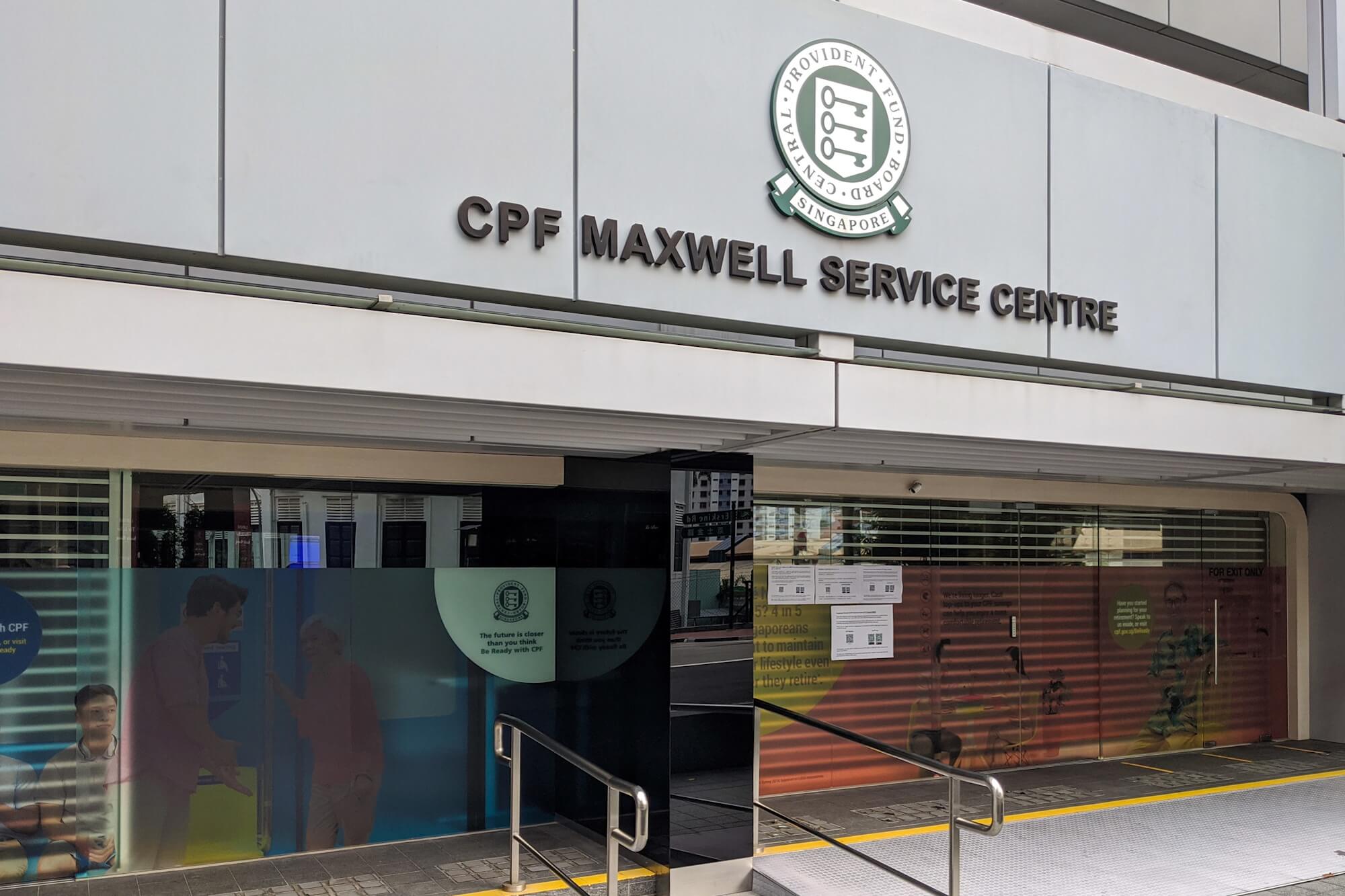
Inflation in Singapore is on the rise, with core inflation up to 1.6% in June from 1.4% in May, the possibility of retiring overseas has remained at the forefront of many conversations. Singapore’s strong exchange rate makes geoarbitrage a compelling option for retirees, since moving to a country with a lower cost of living lets your income stretch much further. But for many Singapore Citizens and Permanent Residents (PR), the question then becomes: what happens to our CPF funds, our CPF LIFE payouts and our MediSave savings if we move overseas?
Read Also: Thinking Of Retiring Overseas? 7 Places Singaporeans Can Consider
CPF Funds
Even if you reside abroad, you can keep the funds in your CPF account and earn interest on your Ordinary Account (OA), Special Account (for those under 55 years old), Retirement Account (for those aged 55 and above), and MediSave Account.
Currently, those aged 55 and above can earn up to 6% on the first $30,000 of their combined CPF balances (capped at $20,000 for OA) and 5% on the next $30,000 of their combined CPF balances (once again, capped at $20,000 for OA).
As long as you’ve met the Full Retirement Sum, you can access your excess funds in your Ordinary Account by withdrawing them at any time from age 55 onwards. Note that withdrawals from your CPF savings will reduce your future monthly payouts from CPF LIFE, since untouched savings will continue to generate interest.
The exception is if you renounce your Singapore Citizenship or permanent residency. Under a new rule announced in 2023 and in place since 2024, non-Singapore Citizens and non-Permanent Residents will have their CPF accounts automatically closed in the month following their renunciation. Any remaining savings will stop earning the prevailing CPF interest but will earn interest similar to commercial bank interest rates until 31 March 2027.
Read Also: 5 Things You Should Consider First Before Trying To Geoarbitrage Your Future
CPF LIFE
If you choose to retire overseas, your CPF LIFE payouts will still be paid monthly. However, CPF LIFE payouts are paid only to an account with a PayNow NRIC-linked bank account or a local bank account (i.e. DBS/POSB, UOB, OCBC). These are for security purposes, as these banks provide automated bank account verification to the CPF Board.
Naturally, because of this, you have to consider the extra costs incurred when transferring your savings overseas, though of course you should only do so when necessary to reduce transfer fees.
Once again, your participation in CPF schemes such as CPF LIFE only depends on whether you remain a Singapore Citizen or PR. If you renounce your citizenship or PR status, your CPF account will close, and your CPF LIFE payouts will cease.
Read Also: Does It Make Financial Sense To FIRE In A Different Country Through Geoarbitrage
MediSave Savings
Like the rest of your CPF funds, your MediSave account will remain active for as long as you remain a Singapore Citizen or PR. However, while you’re retired overseas, there may come a time when you will need to use your MediSave funds for a medical procedure in your country of residence.
This is where it gets a little more complicated. Because MediSave funds are intended mainly for inpatient hospitalisation expenses and selected outpatient expenses in Singapore, it can be difficult to access them overseas.
While you can use your own or your immediate family member’s MediSave funds for overseas elective treatments at accredited hospitals, you must first obtain a referral from Health Management International (HMI). HMI must have an affiliated hospital in the country where you wish to receive treatment.
For medical emergencies or treatments that are not available in Singapore, requests to use MediSave will only be considered on a case by case basis, and cannot be used for outpatient treatments.
Ultimately, because of how restrictive MediSave funds are for use outside Singapore, it may be better to save it for your immediate family members to use. Immediate family members who can use your MediSave funds include your spouse, children, parents, grandchildren and siblings.
Read Also: Could Renting Out An HDB Flat To “Retire” Overseas Be The Singapore Dream For Some?


Lifestyle
15 Of The Cheapest EV Cars In Singapore


Budgeting 101
7 Ways Being Frugal Is Different From Being Cheap


Street Smart
Singapore Gym Membership Price Guide (2026 Edition)


Street Smart
Singapore Gym Membership Price Guide (2026 Edition)

Bonds and Fixed Income
Complete Guide To Buying Singapore Savings Bonds (SSB) [2026 Edition]


