
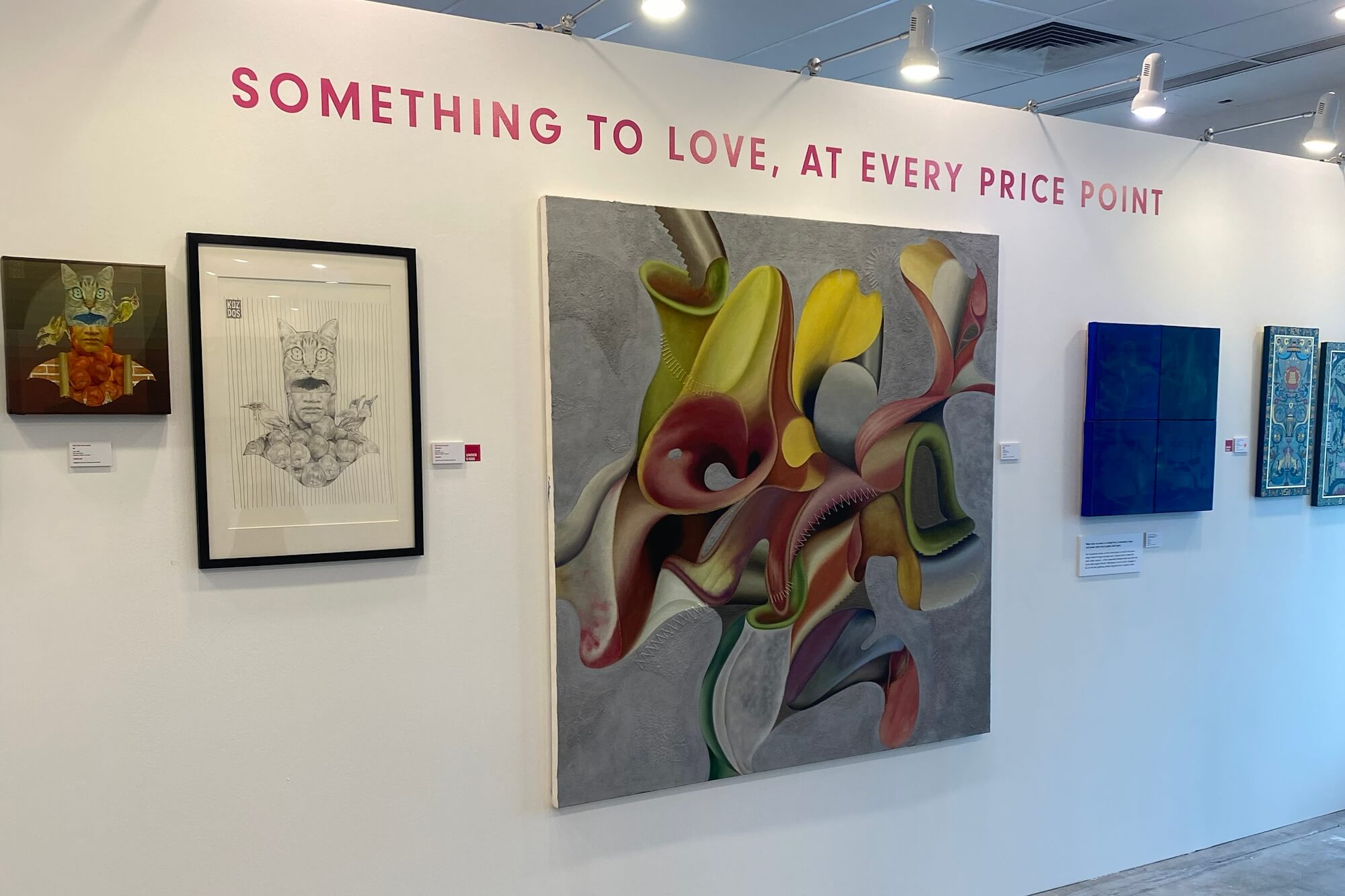
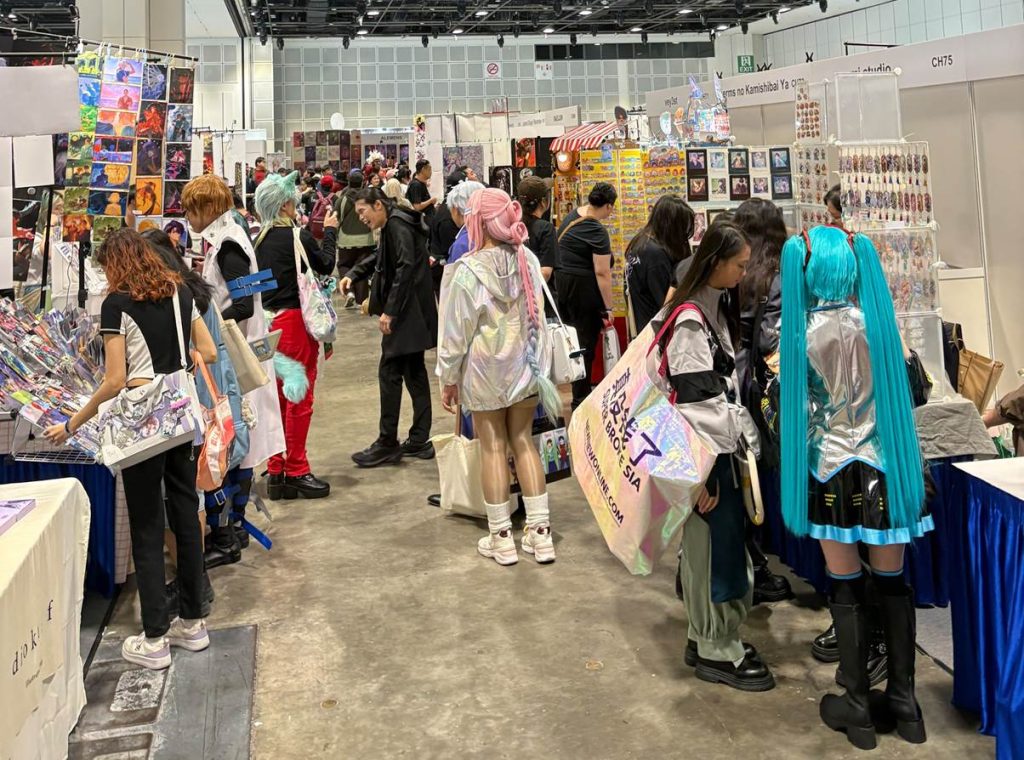
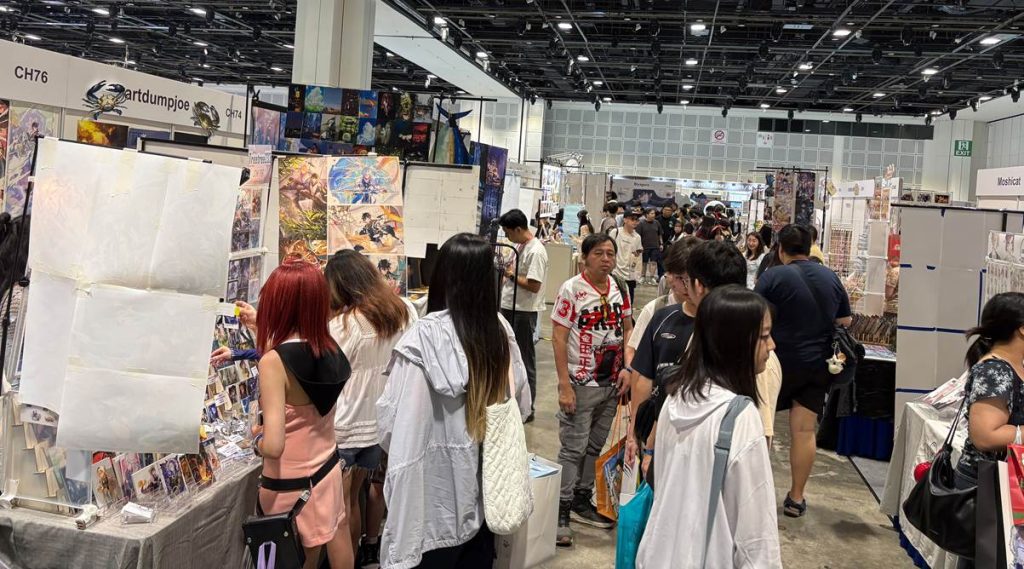
This weekend, two very different annual events featured artists from Singapore and beyond. The Creators Hub at this year’s Anime Festival Asia (AFA) at Suntec Convention Centre featured 108 booths, including popular international artists Ruca (@rucarachi), Rui (@shibaruirui), and Toki (@tokioeee). Just 15 minutes away, at the F1 Pit Building, the 19th edition of the Affordable Art Fair Singapore returned, with 97 galleries from Singapore and around the world. Each year, both events inevitably raise a question that extends beyond the artworks on display: what exactly do we mean when we describe art as “affordable”?
For AFA attendees, the answer is pretty obvious. The Creators Hub is a dedicated area for illustrators, designers, crafters, and other creatives to exhibit their self-published merchandise. These often include stickers, art prints and artbooks, as well as accessories and apparel. Depending on their size, prints often cost between $5 and $20, while accessories can cost between $10 and $50. Based on anecdotal experience, post-event hauls from Creators Hub typically set attendees back $100 to $200.
Over at the Affordable Art Fair, however, the question of what is “affordable” becomes more nuanced. On one hand, the Fair was established to make contemporary art more accessible to a wider audience, creating opportunities for first-time buyers to engage with artists and galleries in an environment that feels less intimidating than the traditional art market. Yet the concept of affordability remains inherently subjective. While many original works at the Affordable Art Fair are priced below $1,000, others can still cost several thousand dollars, which is not an amount one thinks of when considering what is “affordable”.
However, focusing solely on the price of individual artworks risks overlooking a more important aspect of what the Affordable Art Fair hopes to achieve. The event’s contribution to Singapore’s arts landscape is more about making art ownership feel attainable to people who might previously have assumed that it was beyond their reach.
Read Also: Watches, Bags, Wines: 3 Luxury Products That Can Track (Or Even Beat) Inflation
Affordability Is Always Relative To The Category
The term “affordable” is often interpreted in absolute terms, but in practice we tend to evaluate affordability relative to the category being discussed. An affordable home, an affordable car, and an affordable holiday represent very different amounts of money, yet the description remains meaningful because consumers understand the context of the comparison.
Art should arguably be viewed through the same lens. The original artworks sold at the Affordable Arts Fair are not mass-produced art prints like what you would find at Creators Hub at Anime Festival Asia. While both represent the output of individual artists who often spend considerable time developing their skills and creating a particular piece, only at one event do you expect to go home with the actual original artwork.
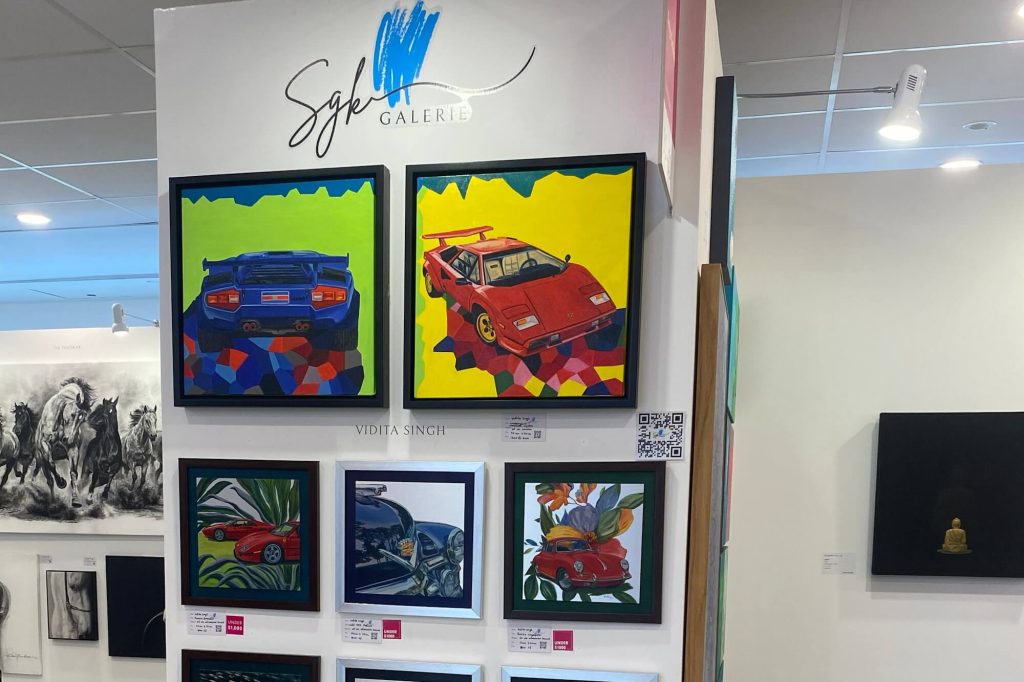
Unlike Creators Hub at AFA, where illustrators produce and sell their own merchandise, the galleries at the Affordable Art Fair curate and support artists and often introduce their work to potential buyers without the artists needing to be physically present. As a result, there are practical limits to how inexpensive original art can become without undermining the sustainability of the ecosystem that produces it.
This is where discussions about affordable art can sometimes become unhelpfully binary. If affordability is defined solely as a price point that almost anyone can pay without hesitation, then very little original art would qualify. Yet this was never the objective.
Read Also: Why Do Luxury Brands Like Prada And Louis Vuitton Open Cafes, And What Are They Really Selling?
Since the very first edition of the Affordable Art Fair in London in 1999, the goal has always been to create greater accessibility within the art market itself, giving a broader segment of the population opportunities to engage with and potentially acquire original works. Whether every visitor ultimately makes a purchase is less important.
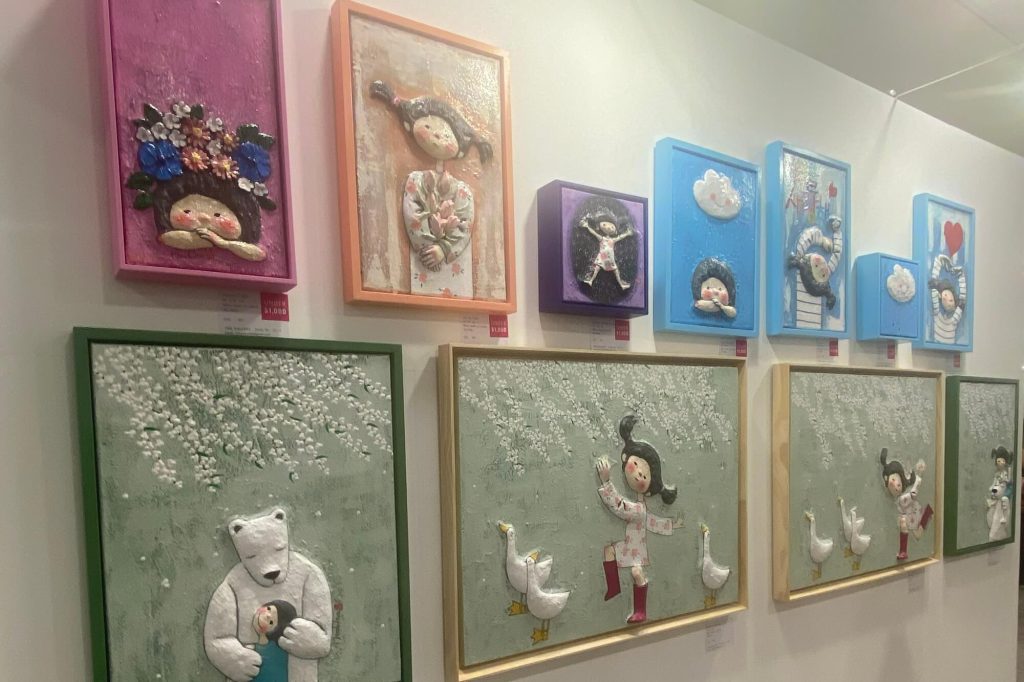
The Barriers To Art Ownership Are Not Solely Financial
There is a tendency to assume that the primary obstacle to art ownership is cost. While price is undoubtedly a factor, it is not necessarily the only barrier, nor even the most significant one.
For many Singaporeans, art remains somewhat distinct amidst our discretionary spending. The iPhone 18 Pro starts from $1,899, and the Samsung S26 Ultra starts from $2,028, yet no one bats an eyelid. Consumers may think little of spending thousands of dollars on travel, consumer electronics, sporting equipment or luxury goods, yet hesitate when presented with an artwork carrying a similar price tag. The difference often reflects uncertainty about how art should be valued in the first place.
Not long ago, a Straits Times infographic in 2020 placed “artist” as the top “non-essential” job, based on a survey admittedly skewed by the ongoing COVID-19 pandemic. On a macro level, the contribution of the arts to Singapore’s GDP is subsumed under the very broad category of Arts, Entertainment and Recreation. This category includes everything from creative arts and entertainment activities to libraries, museums, and other cultural activities, as well as sports, gambling, and even theme parks and nightclubs.
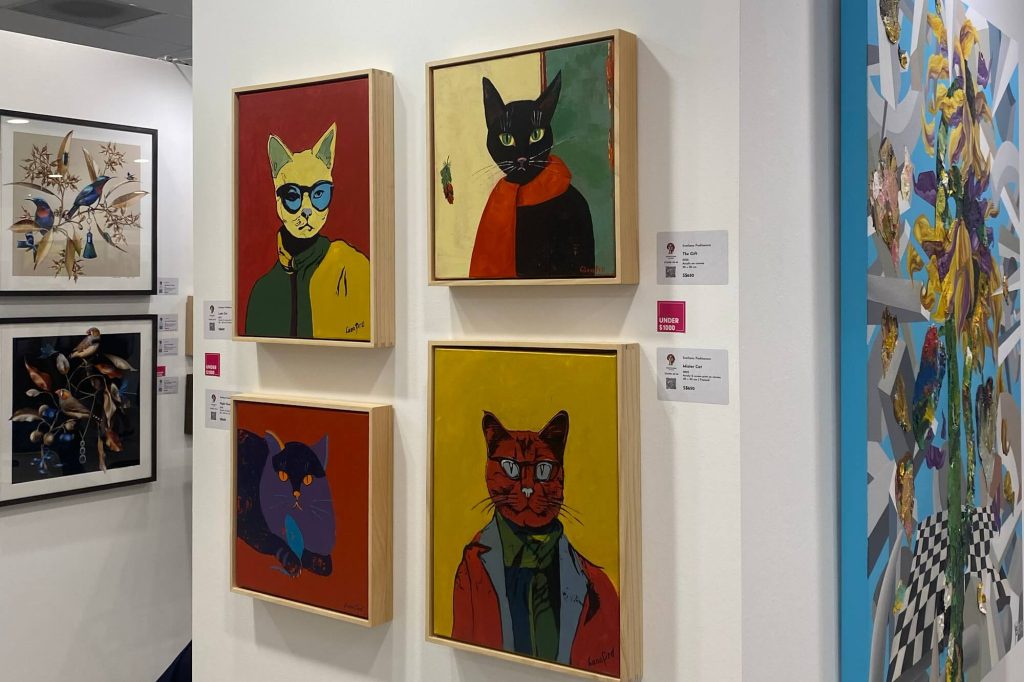
This uncertainty can create a psychological barrier that exists independently of affordability. Many people assume they lack the expertise required to purchase art, or that collecting is an activity reserved for wealthy enthusiasts with specialised knowledge. Navigating galleries, artists, and different artistic styles can appear intimidating to newcomers.
One of the Affordable Art Fair’s most significant contributions is lowering these barriers. By presenting artworks in a setting that welcomes both experienced collectors and first-time visitors, it encourages engagement without requiring prior knowledge or expertise.
What Our Spending Habits Reveal About How We Value Art
The question of affordable art also provides an interesting opportunity to examine broader spending patterns in Singapore.
Over the past decade, Singapore has seen growing expenditure on experiences, wellness services, premium consumer products and lifestyle-oriented purchases. Many households are increasingly spending on travel, dining, personal hobbies and other forms of consumption that contribute to quality of life. These expenditures are rarely justified through purely financial calculations. They are valued because they provide enjoyment, fulfilment, convenience or personal satisfaction.
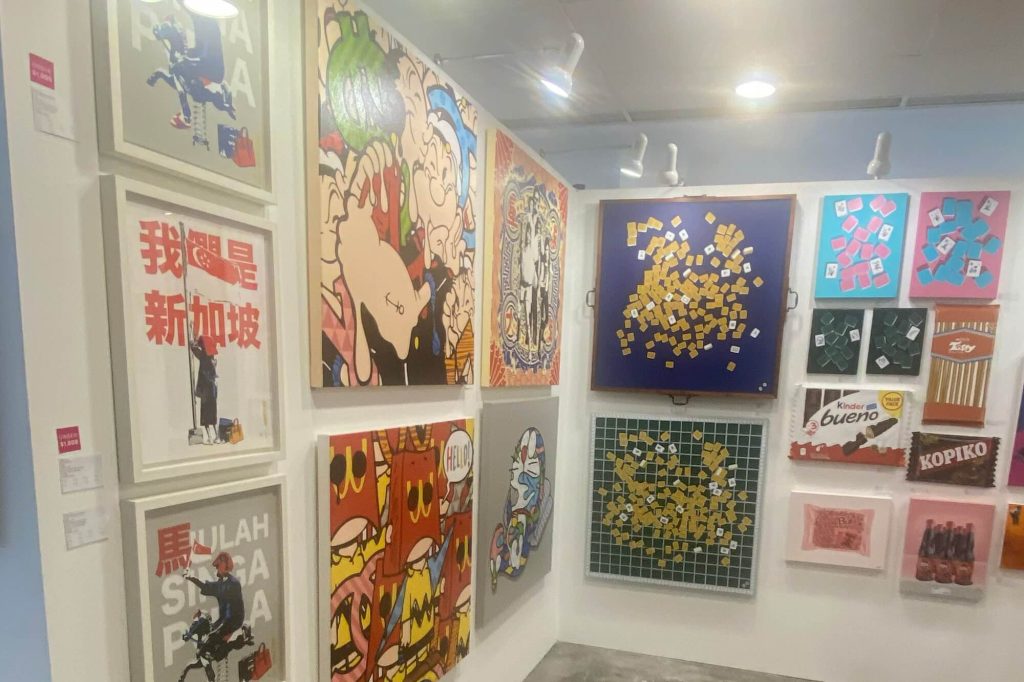
Art occupies a somewhat unusual position within this landscape. Although it is often grouped with luxury consumption, it is frequently held to a different standard. Purchasers are commonly asked whether an artwork will retain its value or generate investment returns, questions that are rarely directed at other forms of lifestyle spending.
This expectation may partly explain why affordability debates around art can become disproportionately focused on price. When people view art primarily through the lens of investment, higher prices naturally seem harder to justify.
A Reflection Of A More Mature Cultural Conversation
The continued success of the Affordable Art Fair may also reflect broader changes in Singapore’s development as both an economy and a society. Today, rising prosperity has also created space for conversations about how individuals choose to spend.
The ability to consider purchasing original artwork does not diminish the importance of prudent financial planning. Rather, it reflects a society where more people can consider how they wish to express their values, interests, and identities through their spending choices. The Affordable Art Fair creates a platform through which art becomes more visible, approachable and integrated into everyday life. The Fair invites people to view and consider whether art deserves a larger place in their homes and lives.
Ultimately, the most interesting question may not be whether a particular artwork is affordable. The answer will always differ depending on an individual’s income, financial obligations and personal priorities.
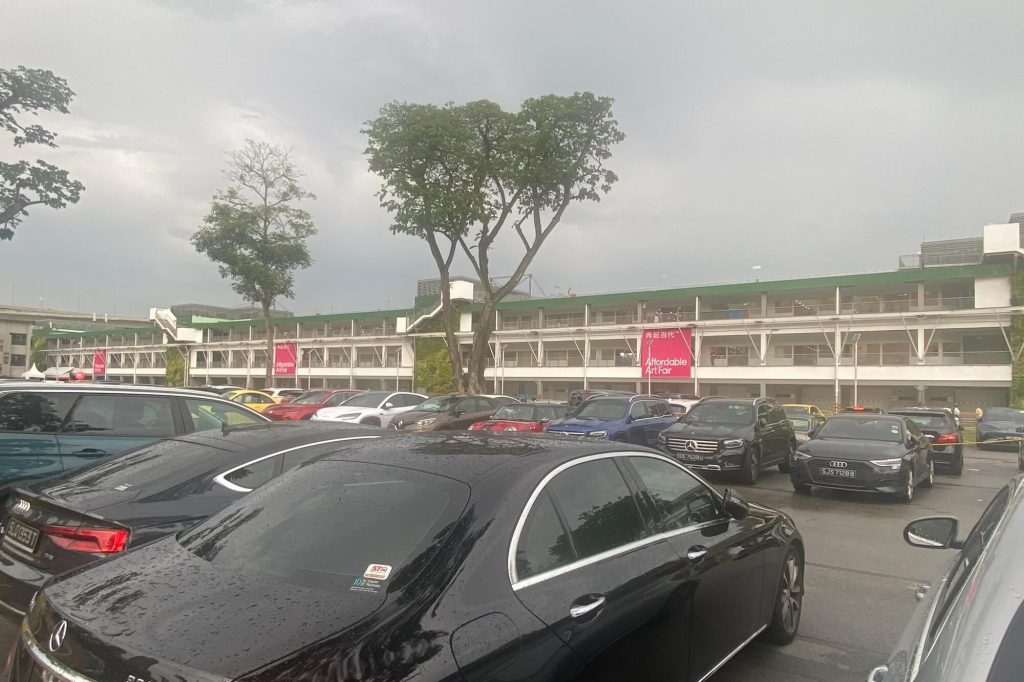
Attending the Affordable Art Fair, I definitely saw art in a different light. Perhaps its location at the F1 Pit Building best encapsulated its goals. While it clearly catered to those who drive or rely on private-hire rides (a practicality when purchasing some of the larger artwork on sale), its proximity to Promenade MRT meant it was still accessible to a wider range of people taking public transport.
In a country where practical considerations understandably shape many purchasing decisions, there is value in creating opportunities for people to view art as something other than a luxury reserved for specialists and collectors.
Read Also: 5 Types Of Quiet Luxury In Singapore


