
Both retail and institutional investors in Singapore were net buyers even as global semiconductors sold off in November. Retail investors net bought $257.4 million in a week, while institutions net bought $38.0 million. However, the two groups mostly took opposite sides.
Retail’s largest net purchases were DBS Group Holdings ($51.7 million), United Overseas Bank ($48.2 million), Singapore Technologies Engineering ($40.8 million), Seatrium ($38.8 million), AEM Holdings ($28.3 million) and Keppel Ltd ($16.4 million). Together they made up about $224 million. Institutions were net sellers of all six.
For institutional buyers, the five largest net purchases are CapitaLand Ascendas REIT ($84.8 million), Singapore Telecommunications ($63.9 million), Oversea-Chinese Banking Corporation ($63.1 million), Yangzijiang Shipbuilding ($34.4 million) and CapitaLand Integrated Commercial Trust ($18.7 million). This represents a total net buy of about $265 million. In contrast, retail investors were net sellers of Singapore Telecommunications, Yangzijiang Shipbuilding and CapitaLand Integrated Commercial Trust.
However, throughout 2026, several stocks appealed to both retail and institutional investors. In this edition of 4 Stocks This Week, we look at the 7 stocks that received net positive inflow from both retail and institutional investors in 2026 year-to-date, as described in an SGX Market Update. All data is as of 20 November 2026.
#1 UOB (SGX: U11)
UOB is one of Singapore’s largest banking groups and a leading financial institution in Southeast Asia. The bank provides a wide range of services, including consumer banking, wealth management, commercial banking, and corporate and institutional banking. UOB operates an extensive regional network across ASEAN and Greater China, with Singapore remaining its largest market and a key contributor to earnings.
UOB’s net retail flow was $63.8 million in 2026 year-to-date, while net institutional flow was $123.8 million.
Read Also: DBS (D05); UOB (U11); OCBC (O39): Singapore Banks Dividend Yield And Share Price Performance
#2 CapitaLand Integrated Commercial Trust (SGX: C38U)
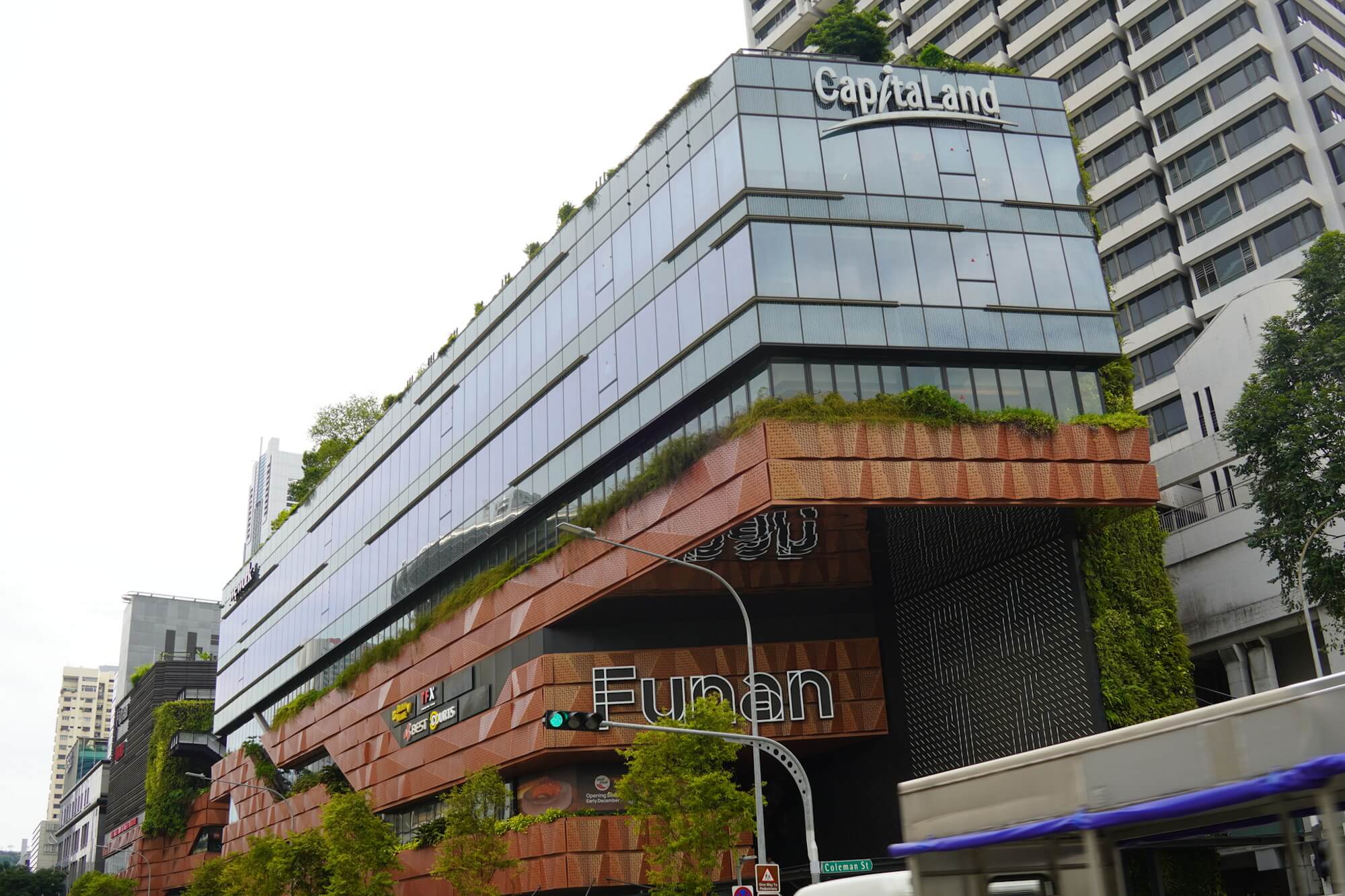
CapitaLand Integrated Commercial Trust is Singapore’s largest listed real estate investment trust (REIT) by market capitalisation. The trust owns a diversified portfolio of prime retail and office properties, with assets located primarily in Singapore and selected overseas markets. Its portfolio includes prominent properties such as Raffles City Singapore, Funan, CapitaSpring, and the revamped Tampines Mall, generating rental income from a broad base of retail, office and integrated development tenants.
CapitaLand Integrated Commercial Trust’s net retail flow was $80.6 million in 2026 year-to-date, while net institutional flow was $51.2 million.
Read Also: 4 REITs That Raised Over S$3 Billion In 2026 To Expand Their Property Portfolios
#3 ST Engineering (SGX: S63)
ST Engineering is a global technology, defence and engineering group headquartered in Singapore. The company operates across aerospace, smart city, defence and public security sectors, providing solutions and services to government and commercial customers worldwide. With operations spanning Asia, Europe, the Middle East and the United States, ST Engineering generates revenue from a diversified mix of maintenance, engineering, technology and long-term service contracts.
ST Engineering’s net retail flow was $22.2 million year-to-date in 2026, while net institutional flow was $61.5 million.
#4 Nanofilm (SGX: MZH)
Nanofilm is an advanced materials technology company specialising in nanotechnology-based coating and surface treatment solutions. The company serves customers across a wide range of industries, including consumer electronics, automotive, precision engineering and industrial manufacturing. Operating through businesses spanning advanced materials, industrial equipment and consumer applications, Nanofilm leverages its proprietary vacuum coating technologies to provide high-value solutions to customers globally.
Nanofilm’s net retail flow was $6.5 million year-to-date in 2026, while net institutional flow was $12.2 million.
#5 iX Biopharma (SGX: 42C)
iX Biopharma is a specialty pharmaceutical company focused on the development and commercialisation of drug delivery technologies and pharmaceutical products. The company leverages its proprietary WaferiX platform, a sublingual drug-delivery technology that dissolves under the tongue within one minute, designed to improve the administration and effectiveness of certain medicines. With operations spanning pharmaceutical development, regulatory approvals, and product commercialisation, iX Biopharma focuses on addressing unmet needs in areas such as pain management and other therapeutic markets.
iX Biopharma’s net retail flow was $4.0 million year-to-date in 2026, while net institutional flow was $2.6 million.
Read Also: 7 Singapore Companies That Have Listed On Nasdaq And Where They Are Now
#6 Mi Material (SGX: MIM)
Mi Material is a materials technology company specialising in developing and producing advanced functional materials used in a variety of industrial applications. The company focuses on areas such as conductive materials, electronic materials and specialty chemicals that support industries including semiconductors, electronics and advanced manufacturing. Through its research, development and manufacturing capabilities, Mi Material serves customers across Asia and other international markets.
Mi Material debuted on the SGX Mainboard on October 28 2026. It has a net retail flow of $0.3 million in 2026 year-to-date and a net institutional flow of $0.4 million.
Read Also: Why Anthropic’s IPO Could Matter Even If You Only Invest In Index Funds
#7 Food Empire (SGX: F03)
Food Empire is a multinational food and beverage manufacturing and distribution company. The group is best known for its portfolio of coffee brands, including MacCoffee and CaféPHỐ, and markets a range of instant beverages, snacks and food products across Eastern Europe, Central Asia, Southeast Asia and other international markets. Food Empire operates manufacturing facilities in multiple countries and generates revenue through a combination of branded consumer products and business-to-business food ingredient sales.
Food Empire has a net retail flow of $0.5 million in 2026 year-to-date and a net institutional flow of $15.5 million.
Read Also: From Petrol To Food: 5 Everyday Costs In Singapore That Rise When Oil Prices Increase


Branded Content
Could SRS Help You Build Your Second Million For Retirement?


