

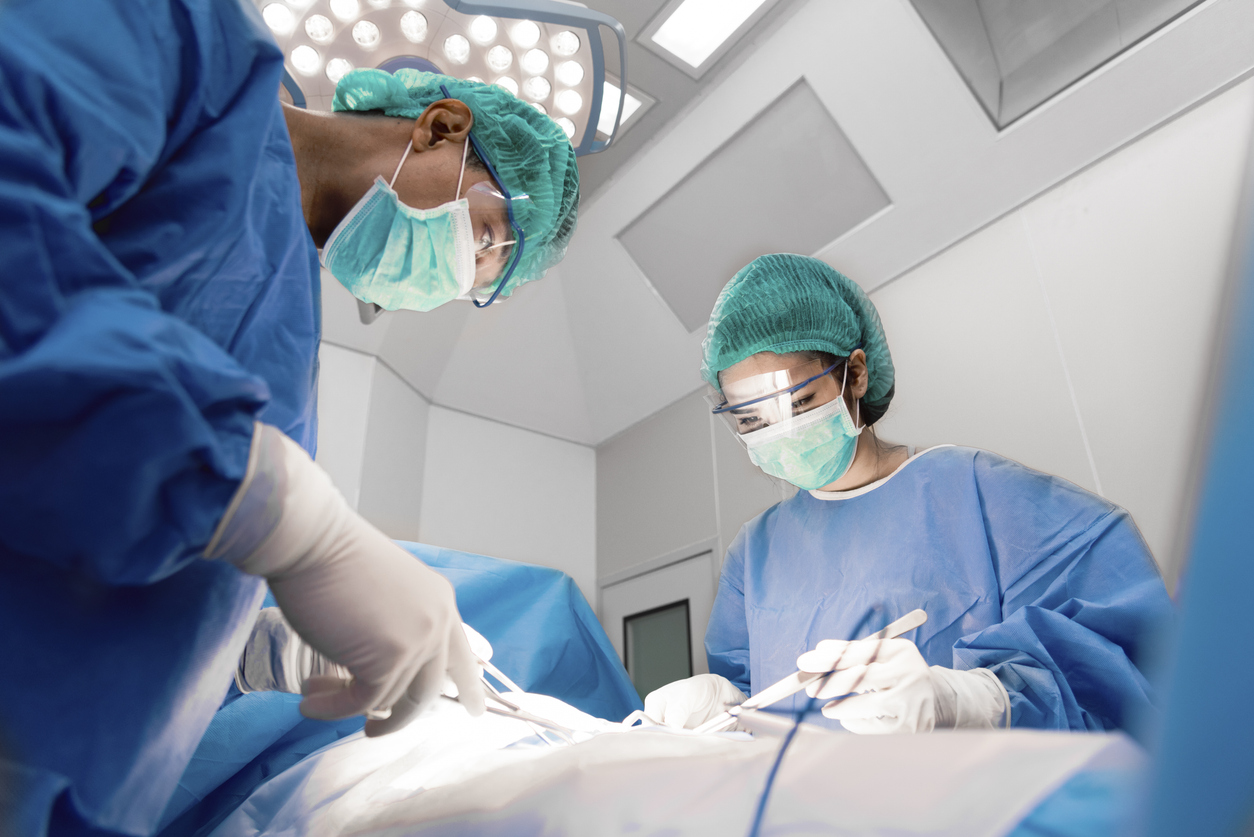
In Singapore, becoming a doctor is often seen as a sign of having done well in life. However, pursuing a career in medicine comes with significant sacrifices, both in terms of time and money. Aspiring doctors typically spend five years in medical school, or four years after completing a bachelor’s degree, and will have to serve in the public healthcare sector for several years after graduating.
For those considering a career in medicine, or parents planning for their child’s university education, here’s how much it costs to study at each of Singapore’s three medical schools in Academic Year (AY) 2026/2027.
Tuition Fees At NUS, NTU And Duke-NUS Medical School
Singapore has three medical schools: the NUS Yong Loo Lin School of Medicine, NTU’s Lee Kong Chian School of Medicine (LKCMedicine) and Duke-NUS Medical School.
NUS and NTU offer five-year undergraduate Bachelor of Medicine and Bachelor of Surgery (MBBS) programmes. Duke-NUS offers a four-year Doctor of Medicine (MD) programme for applicants who have already completed a bachelor’s degree. While the medical programme at Duke-NUS is shorter, the overall time spent studying is longer when we factor in the first degree.
For Singapore Citizens receiving government subsidies, the annual tuition fees for AY2026/2027 are:
- NUS MBBS: $33,200 a year, or $166,000 over five years.
- NTU LKCMedicine MBBS: $36,100 a year, or $180,500 over five years.
- Duke-NUS MD: $50,050 a year, or $200,200 over four years.
Singapore Permanent Residents (PRs) pay more: $48,900 a year at NUS, $51,850 at NTU and $68,150 at Duke-NUS. International students pay roughly two to three times the Singapore Citizen rate. Without the MOE Tuition Grant, annual fees at NUS are $190,150.
Read Also: 2025 Cost Guide: Singapore Universities’ Tuition Fee Comparison
Other Costs Of Studying Medicine In Singapore
Beyond tuition, students also need to budget for equipment, living expenses and miscellaneous university fees for services such as student activities and healthcare. Medical students may also need to purchase a stethoscope, clinical instruments, scrubs or white coats, and reference materials. Depending on the model, a stethoscope alone could cost $200 to $600.
Living expenses will vary depending on whether students stay with their parents or rent near campus. For example, a student spending $1,200 to $2,000 a month on accommodation, meals, transport and other expenses would incur $72,000 to $120,000 over five years. Students who live at home will likely spend less, although they still need to budget for meals and transport.
For a Singapore Citizen receiving subsidies at NUS, a five-year budget could be:
| Expense | Amount |
| Tuition fees | $166,000 |
| Living expenses | $80,000 to $90,000 |
| Equipment and miscellaneous fees | $5,000 |
| Total | $251,000 to $261,000 |
For those taking the Duke-NUS route, the combined cost could exceed $350,000, depending on the cost of their first degree and living expenses.
Scholarships And Financial Assistance For Medical Students
Students can seek support through scholarships such as the SAF Medicine Scholarship for aspiring military doctors and the PSC Scholarship (Medicine/Dentistry) for careers in public healthcare. Both have their own eligibility requirements and service commitments.
At Duke-NUS, about 45% of MD students in recent years have received a bursary. For students enrolling from AY2025 onwards, bursary amounts are expected to cover 40% to 80% of tuition fees, excluding miscellaneous fees. Merit scholarships include the Goh Foundation Scholarship ($20,000 a year) and the Shaw Foundation Scholarship ($10,000 to $50,000 a year). The SMA Medical Students’ Assistance Fund also provides assistance to eligible students in financial need.
NTU offers the LKCMedicine Scholarship, donor-funded scholarships and the ASEAN Undergraduate Scholarship for eligible students. At NUS, students can apply for financial aid through the university and the medical faculty. In AY2026/2027, NUS prioritises students with a monthly per capita household income of $3,000 or less for partial or full tuition fee assistance, subject to available funds.
Prospective students should check the application deadlines for financial aid early. At Duke-NUS, for example, students must submit their financial aid application within 28 days of attending their admissions interview. More details are available on the Duke-NUS financial aid website.
The Opportunity Cost Of Studying Medicine
A longer university education also means that medical students enter the workforce later than many of their peers. For instance, someone completing a three-year degree could start working two years before a student completing a five-year medical degree.
Assuming a fresh graduate earns $3,500 to $5,000 a month, those two years translate to $84,000 to $120,000 in gross earnings, before pay increases and bonuses. While the future doctor is still paying tuition fees, their peers may already be saving and investing part of their income.
Read Also: Complete Guide For Local University Course Fees And Fresh Graduate Starting Salaries
Government Subsidies Come With A Public Healthcare Service Obligation
The government subsidies that keep medical school fees affordable come with a service obligation under the Medical/Dental Undergraduate Agreement, administered by MOH Holdings. Singapore Citizens graduating from NUS or NTU must serve five years in the public healthcare sector, while Duke-NUS graduates must serve four years. PRs and international students serve one additional year.
The service obligation starts after doctors complete their first postgraduate year (PGY1) and are registered with the Singapore Medical Council. Students must provide two eligible sureties or arrange a banker’s guarantee covering the full liquidated damages amount. Those who terminate the agreement early may be liable for liquidated damages under its terms. This means a Singapore Citizen graduating from NUS or NTU at age 26 or 27 could be in the public healthcare sector until their early thirties.
Read Also: Why Taking Your First Job Offer May Be The Smart Career Move For The Class Of 2026
How Long Would It Take To Recover Medical School Costs?
Medical graduates typically begin work as House Officers before progressing to Medical Officers and, for those who pursue specialist training, further stages of their careers. Their earnings can vary depending on seniority, allowances and bonuses.
Assuming a Singapore Citizen graduating from NUS earns a gross income of $70,000 a year, the $166,000 spent on tuition fees alone would be equivalent to about 2.4 years of gross earnings. In practice, it would take longer to recoup the cost because doctors still have living expenses, CPF contributions and taxes to account for.
Is The Cost Of Medical School Worth It?
For Singapore Citizens receiving subsidies, the total cost could reach $250,000 to $350,000 or more, depending on the medical school, living arrangements and whether a prior degree is required.
Medicine can offer a rewarding career with opportunities to develop specialist expertise and earn a higher income over time. But becoming a doctor is a long-term commitment. For prospective students and their families, it’s worth considering whether the financial costs, years of study and service obligation fit their career and life plans.
Advertiser Message
Catch Tiger Trade Experience 2026 at Suntec City
Drop by the Suntec City Convention Centre Atrium (beside Chagee) on 28 or 29 November, from 10am to 10pm. Explore the event, check out the early bird rewards and stand a chance to win prizes, including stock vouchers.




Retirement Planning
What Is The 4% Retirement Withdrawal Rule, And Why You Should Plan Beyond It


Bonds and Fixed Income
6 Investments In Singapore That Provide Guaranteed Principal And Returns


Retirement Planning
What Is The 4% Retirement Withdrawal Rule, And Why You Should Plan Beyond It


