
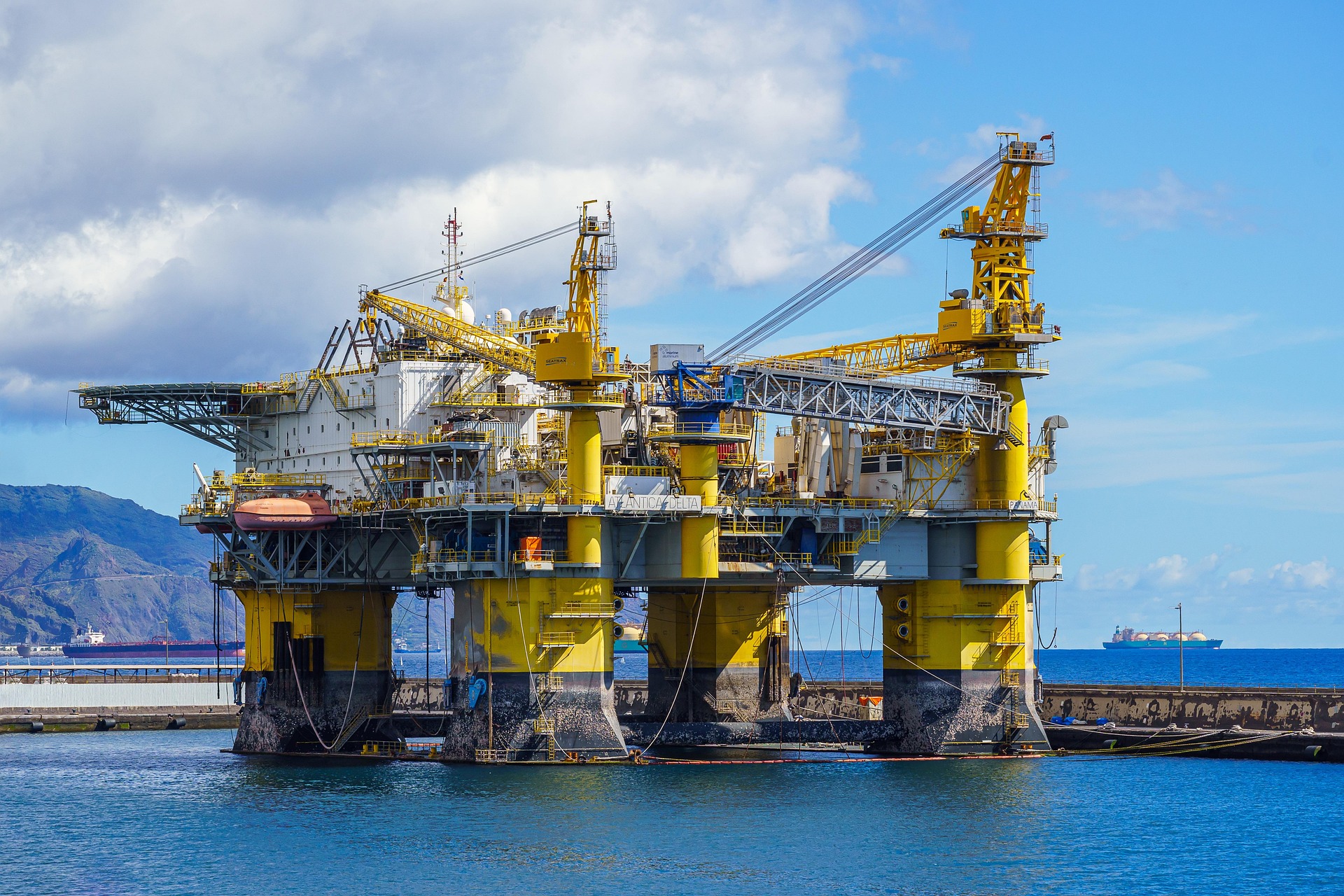
War has broken out in Iran, and we’re all aware of the wild volatility in oil prices since then. If you’ve filled up your car’s petrol tank recently, you’ll already know something is really off. Given oil tanker traffic through the Strait of Hormuz has effectively been shut down, oil prices have spiked sharply and pump prices in Singapore (as well as across the rest of the world) have followed almost immediately.
But the pain doesn’t stop at the petrol station. Oil touches far more of our daily spending than most people realise, and a sustained spike has a way of quietly making everything more expensive, too. So, here are five everyday costs, including petrol, that go up when oil prices rise, and what’s actually happening right now.
#1 Petrol And Diesel Prices
This one is the most direct and fastest consequence of the rising oil price.
Singapore imports every single barrel of crude oil it uses, which means we have absolutely no insulation from global oil price swings. Pump prices have risen steadily since the conflict in Iran effectively closed a waterway critical for 20% of the world’s oil supplies. Caltex raised the posted price of its 95-octane petrol by 10 cents to $3.45 per litre on 13 March, exceeding the previous high of $3.42 set by Shell and Caltex in June 2022 during the first few months of the Ukraine-Russia war. As of 20 March 2026, it’s $3.43.
Fuel companies have been raising prices almost daily since 28 February. These prices are now about 8.6 per cent higher than before the Middle East conflict began. To put that in perspective, during COVID-19, the price of 95-octane petrol fell below $2 per litre in May 2020, before surging to over $3 by March 2022 as the global economy reopened and the Russia-Ukraine conflict disrupted supply. We are now back in that kind of territory.
The Consumer Association of Singapore (CASE) has urged fuel companies to “exercise restraint in raising prices pre-emptively” as crude oil prices rise globally but the truth is that both petrol companies and consumers are at the mercy of global oil prices.
Read More: Coping With Inflation In Singapore: What Can MAS Do (And At What Cost)?
#2 Airfares
In the immediate aftermath of the outbreak of war in Iran, airlines like Singapore Airlines saw their share prices plummet.
That’s no coincidence because jet fuel is refined from crude oil. So when oil prices spike, airline operating costs rise almost immediately, and those costs will inevitably be reflected in ticket prices. Industry experts say the aviation sector is particularly vulnerable to fuel price shocks, as jet fuel typically accounts for between 20% to 30% of an airline’s operating expenses. That’s a significant proportion of costs that suddenly jump.
Airlines are already responding. While there was some press on Singapore Airlines ticket prices to Europe for early March surging, the company itself has said that its ticket prices are “determined by supply and demand”. Meanwhile, Cathay Pacific, Qantas, Air New Zealand, and Thai Airways have all announced increases in fuel surcharges, effective 18 March 2026. The impact may be felt most on long-haul international routes, which burn significantly more fuel than shorter flights and which will need to be rerouted (at least those from Asia to Europe) to avoid Iranian airspace. That will force airlines to burn more fuel, and the natural result will be higher prices in the medium term.
#3 Electricity Bill
Singapore generates around 95% of its electricity using imported natural gas, and the price of that gas is tied to oil prices by commercial contracts. This is common practice across Asia. This reliance on liquefied natural gas (LNG) is subject to commodity market volatility and to the fact that much LNG is shipped to Asia from Middle Eastern countries like Qatar.
SP Group reviews the electricity tariff every quarter, and the energy cost component is adjusted to reflect changes in fuel and power generation costs, specifically imported natural gas. In practice, this means that when the price of oil goes up, your utility bill tends to follow within the next one to two quarters, rather than immediately. The regulated tariff for January to March 2026 is 26.71 cents per kWh (before GST), or 29.11 cents per kWh (after GST). That rate was set before the latest oil spike, which means the upcoming Q2 2026 revision will likely reflect the current surge in global energy prices.
#4 Food Prices
This is the cost that hits everyone equally, including those without a car or upcoming holiday plans. Singapore imports over 90% of its food, making grocery bills highly susceptible to imported inflation.
The connection between oil and food prices runs through several channels. Ships and cargo planes run on bunker fuel and aviation kerosene. This means higher oil prices, which lead to higher freight costs for every shipment of rice, vegetables, meat, and other foods entering Singapore.
Many fertilisers used to farm food are petroleum-based, meaning higher oil prices increase the cost of growing crops long before they are even harvested. Packaging materials, largely derived from oil refining, have also become more expensive. All of this flows through to your hawker centre and supermarket costs since it’s all down to raw ingredients.
Food inflation in Singapore is a closely-watched figure given how much is imported. Food inflation in January 2026 was stable at 1.2% year-on-year, according to official data from the Ministry of Trade and Industry (MTI) and Monetary Authority of Singapore (MAS). However, food prices are expected to rise so watch out for the food inflation numbers for March, April, and May. The longer this period of elevated oil prices persists, the more pressure food businesses face. Hawkers and restaurants already dealing with tight margins and high rental costs will eventually pass those input costs on to customers.
#5 Ride-Hailing & Delivery Costs
Many Singaporeans don’t own a car, given the sky-high costs, but can still feel the effect of oil price increases through their Grab rides and food delivery orders. Platforms like Grab and GoJek operate large fleets of petrol-powered vehicles, and when fuel costs rise, drivers will bear the brunt first. With rising fuel prices affecting drivers, it’s almost certain that consumers will start sharing the burden of higher costs at some point, if they aren’t already.
That will also be evident in the delivery fees you’re seeing on GrabFood or FoodPanda, which could rise because of what’s happening in the Middle East. Platforms like Grab and Gojek often implement fuel surcharges to help drivers offset rising costs, meaning your ride from Jurong to Orchard becomes noticeably pricier as petrol prices rise. And because these platforms also handle last-mile logistics for e-commerce deliveries, the impact spreads beyond food orders.
Read Also: 4 STI Stocks That Have Seen Their Share Prices Supported Amid Rising Middle East Tensions


Lifestyle
15 Of The Cheapest EV Cars In Singapore


Budgeting 101
7 Ways Being Frugal Is Different From Being Cheap


Street Smart
Singapore Gym Membership Price Guide (2026 Edition)


Street Smart
Singapore Gym Membership Price Guide (2026 Edition)

Bonds and Fixed Income
Complete Guide To Buying Singapore Savings Bonds (SSB) [2026 Edition]


