
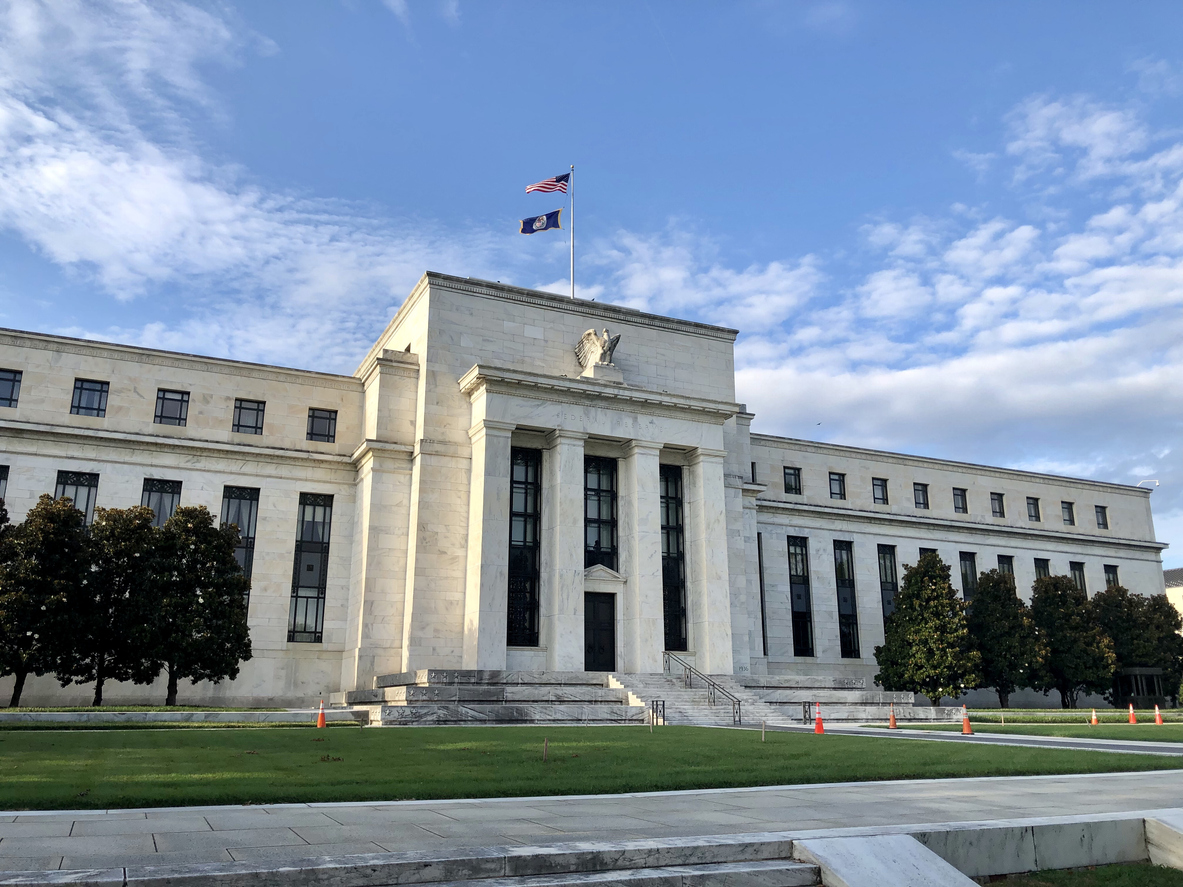
2025 was dominated by politics. The US presidential elections made global headlines, and leadership changes elsewhere kept investors on edge. But as we step into 2026, the real story may no longer be about politics, but about something far less visible — monetary policy.
And once again, all eyes are on the US Federal Reserve (the Fed).
Why What Happens In Washington Affects Us
The Fed is the world’s most powerful central bank. Its decisions on interest rates ripple through stock markets, currencies and even the cost of mortgages here in Singapore.
The Trump administration is pushing hard for the Fed to slash interest rates, and some worry this could compromise the central bank’s independence. If that happens, the effects won’t stay in America. Because Singapore is such an open economy, with money constantly flowing in and out, what happens in Washington will inevitably wash up on our shores.
How Singapore Plays the Game Differently
Unlike the Fed, the Monetary Authority of Singapore (MAS) doesn’t control interest rates directly. Instead, it manages the Singapore dollar by guiding it within a set exchange rate band.
This approach makes sense for a small, trade-heavy economy like ours. By focusing on the currency rather than interest rates, the MAS can maintain stable inflation without creating wild swings in borrowing costs. That’s why local interest rates have been relatively steady since 2022, even though US rates climbed sharply. Over the same period, the Singapore dollar actually strengthened by about 12% to keep the balance.
Two Possible Futures If the Fed Cuts Rates
So, what happens if the Fed bows to political pressure and slashes rates? There are two broad possibilities.
Scenario 1: Cheaper Borrowing Cost In The US
In the first scenario, cheaper borrowing in the US could fuel a boom in stocks, property and other investments (again). Money would rush into America, chasing the party. Every day life could feel this through higher import prices, from groceries to gadgets, as inflation increases.
Scenario 2: Investors Lose Confidence In The US Dollar?
The second scenario is less immediate but potentially more unsettling. If the Fed is seen as politically compromised, investors may lose confidence in the US dollar itself. Other central banks might start moving away from it, turning instead to gold, commodities or regional currencies. MAS would likely take a cautious, wait-and-see approach, but such shifts could spark unpredictable swings in inflation and investment flows. For Singaporeans, this would manifest as increased market volatility and reduced certainty in financial planning.
Why It Matters For You
Whether it’s higher mortgage repayments, pricier imports or a rollercoaster stock market, the choices made in Washington could hit your wallet in 2026. For investors, US assets might look more attractive in the near term under Scenario One. At the same time, Scenario Two could push diversification — into gold, commodities or regional markets — higher up the agenda.
For ordinary Singaporeans, the impact is more straightforward. Inflation could rise, and the stability we often take for granted in our financial system may feel a little shakier.
The Bigger Picture
At the heart of all this is a larger question: should central banks remain independent of politics? The problem here is that modern financial systems rely on that independence. If the Fed, the anchor of the global monetary system, loses it, the shockwaves will be felt everywhere.
And as the old saying goes, “When the US sneezes, the rest of the world catches a cold.”
For Singapore, a trusted global financial centre, the MAS has long been seen as a steady hand on the wheel. The real test may come if the Fed itself starts rocking its own boat.
Read Also: MAS Appoints 3 Asset Managers To Invest In Singapore Stocks. What This Means For Local Investors
Top Image: iStock/FinkAvenue


Street Smart
Singapore Gym Membership Price Guide (2026 Edition)


