
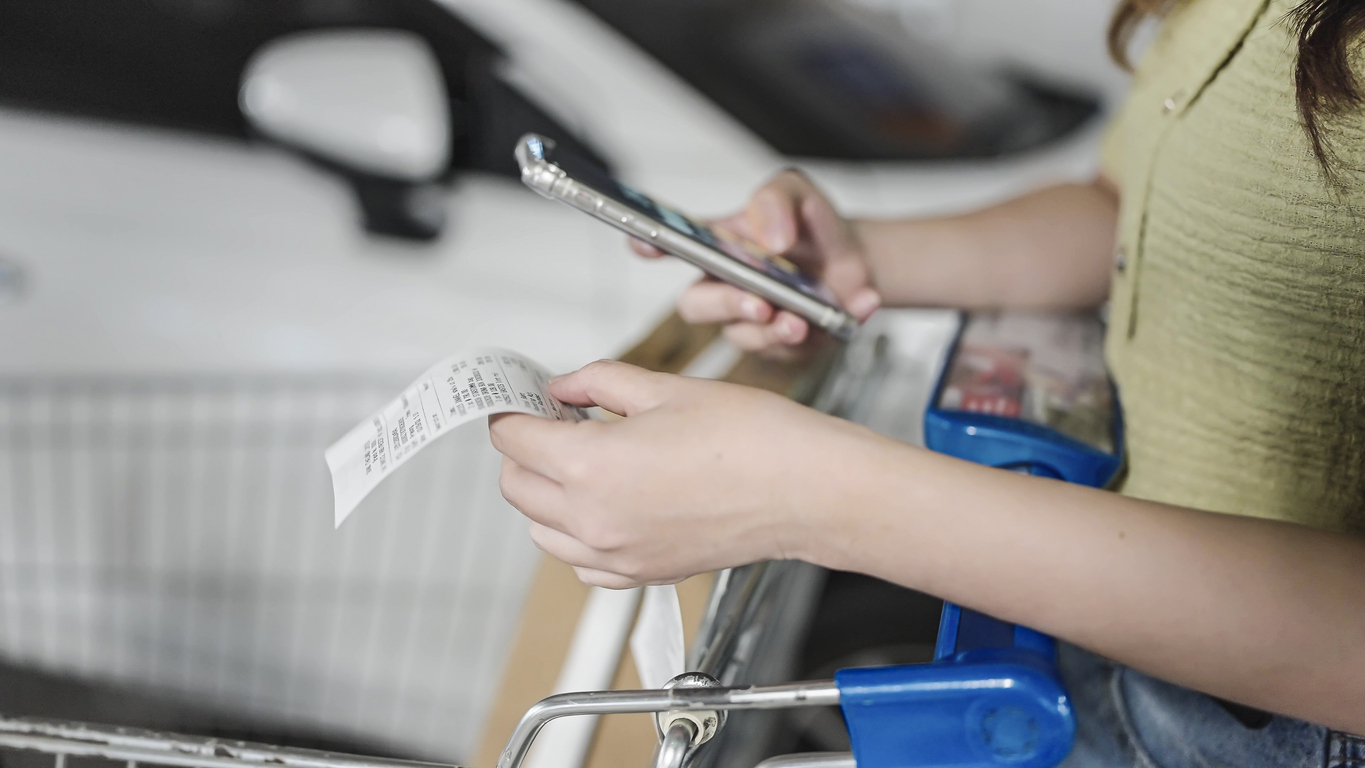
Being frugal is often confused with being cheap. Both involve spending less, but the reasons behind those decisions and their effects can be quite different. Frugality is about getting good value for your money, while being cheap puts the lowest price first, even when it comes at a cost to yourself or others.
The difference shows up in everyday decisions, from the things we buy to how we split a dinner bill. Here are 7 ways being frugal differs from being cheap.
#1 Frugal People Spend On What Matters To Them
A frugal person thinks about what they value and where they can spend less. They might take public transport, pack lunch four or five days a week and buy groceries at the neighbourhood wet market. But they may also spend more on a quality mattress or a good pair of running shoes if they run daily. They save in some areas so they can spend on what matters to them.
Being cheap means applying the same rule to every purchase: choose the lowest price. This leaves little room to consider whether paying more would make something more useful or enjoyable. Even when money is available, reluctance to spend can keep you from getting value from it.
#2 Frugal People Invest In Quality Over Quantity
Clothing is an example. If a $20 shirt needs replacing every six months, buying six shirts over three years would cost $120. A high-quality, well-fitting $100 shirt that lasts the full three years would cost less overall and look better. Savings depend on how well each shirt lasts and how often you wear it, not the price tag alone.
The same thinking applies to electronic gadgets that need replacing after a few months compared with one that lasts for years. A frugal person considers the cost over time, while someone focused only on the lowest price may overlook replacement costs. Paying more doesn’t automatically mean better quality, but repeatedly buying something that doesn’t last can add up.
#3 Frugal People Are Comfortable Paying Their Share
Group dinners can reveal the difference. A frugal person might suggest a mid-range restaurant rather than somewhere expensive, then pay their agreed share when the bill arrives. They manage the cost by choosing somewhere within their budget, rather than leaving others to cover what they have consumed.
On the other hand, being cheap could mean declining a shared starter but eating some anyway, or finding reasons to pay less than an agreed share. Asking for an itemised bill isn’t a problem; what matters is whether everyone pays fairly. Saving a few dollars at someone else’s expense likely means you’re being more cheap than frugal.
Read Also: 8 Extreme Frugality “Tips” From A Singaporean Who Retired At 35, As Featured On CNA Money Mind
#4 Frugal People Research Before They Buy, Not Buy On Impulse Because It’s Cheap
Before a significant purchase, a frugal person compares options, reads reviews and waits for a sale if the timing is flexible. They consider quality, warranty, repairability and after-sales support alongside the price, then choose what best meets their needs and budget.
On the other hand, someone who is cheap might end up (over) buying many products that they don’t necessarily need or want just because it’s cheap. This could include stocking up on a specific product while overseas that they typically wouldn’t need or buy just because it’s cheap.
#5 Frugal People Make Financial Decisions Independently
Another difference is whether someone relies on other people’s generosity to keep their own spending low. This could mean regularly accepting dinner invitations without returning the hospitality, or ordering expensive dishes when someone else is paying while insisting on cheaper options when they pay.
Frugal people manage spending within their own budget without arranging for others to absorb costs they should bear themselves. They may have a smaller entertainment budget than their friends, but they are upfront about it. Accepting an invitation is not the issue; repeatedly taking advantage of someone’s generosity is.
#6 Frugal People Plan For Value
Frugality usually serves a goal, whether that is financial independence, a home down payment, travel or early retirement. A budget helps connect everyday spending decisions to those priorities, rather than making every purchase a question of how little you can pay.
Cancelling a cable subscription makes sense if streaming covers what you watch. Bringing lunch four days a week can free up money for a longer-term goal. These choices serve a purpose, rather than turning saving money into an end in itself.
By comparison, a reluctance to spend can make even a useful purchase feel like a loss. A cheap person who wants to watch Netflix will look for ways to get it for free by borrowing someone else’s account without correspondingly returning the favour in any way.
#7 Frugal People Are Honest About Their Means
A frugal person may suggest a hawker centre and explain that they are watching their spending this month, or decline a trip because it does not fit their budget. They are clear about their priorities and give others a chance to make plans that work for everyone.
Being cheap can involve avoiding that conversation and finding other reasons not to pay. Someone may repeatedly dismiss restaurants or social events as poor value when their main concern is actually that they don’t want to spend at all.
Read Also: How To Spend 2026 Buying Things That Bring You Joy (The Marie Kondo Way)
Crucial Distinctions Between Being Frugal & Cheap That Matter
Frugality can help you build savings, maintain financial security and give yourself more choices. But being too cheap can affect your quality of life and relationships, particularly when saving money means making poor purchases or expecting others to cover your costs.
A useful question is whether spending less helps you get what you need and work towards your goals, or whether avoiding payment has become the goal itself. Frugality allows room to spend when something is worthwhile. The amount saved matters, but so does what you give up to save it.
Photo Credit: iStock/M Stock
Advertiser Message
Thinking Of Switching Brokers Or Consolidating Your Holdings?
Tiger Brokers is currently running a transfer-in campaign where eligible clients can receive an iPhone 17 Pro Max* when they transfer in their assets.
For SGX investors, there is also a CDP Transfer promotion with 0* commissions on Singapore stocks.
Find out more here. *T&Cs apply.




Budgeting 101
7 Ways Being Frugal Is Different From Being Cheap


Street Smart
Singapore Gym Membership Price Guide (2026 Edition)


Street Smart
Singapore Gym Membership Price Guide (2026 Edition)


