
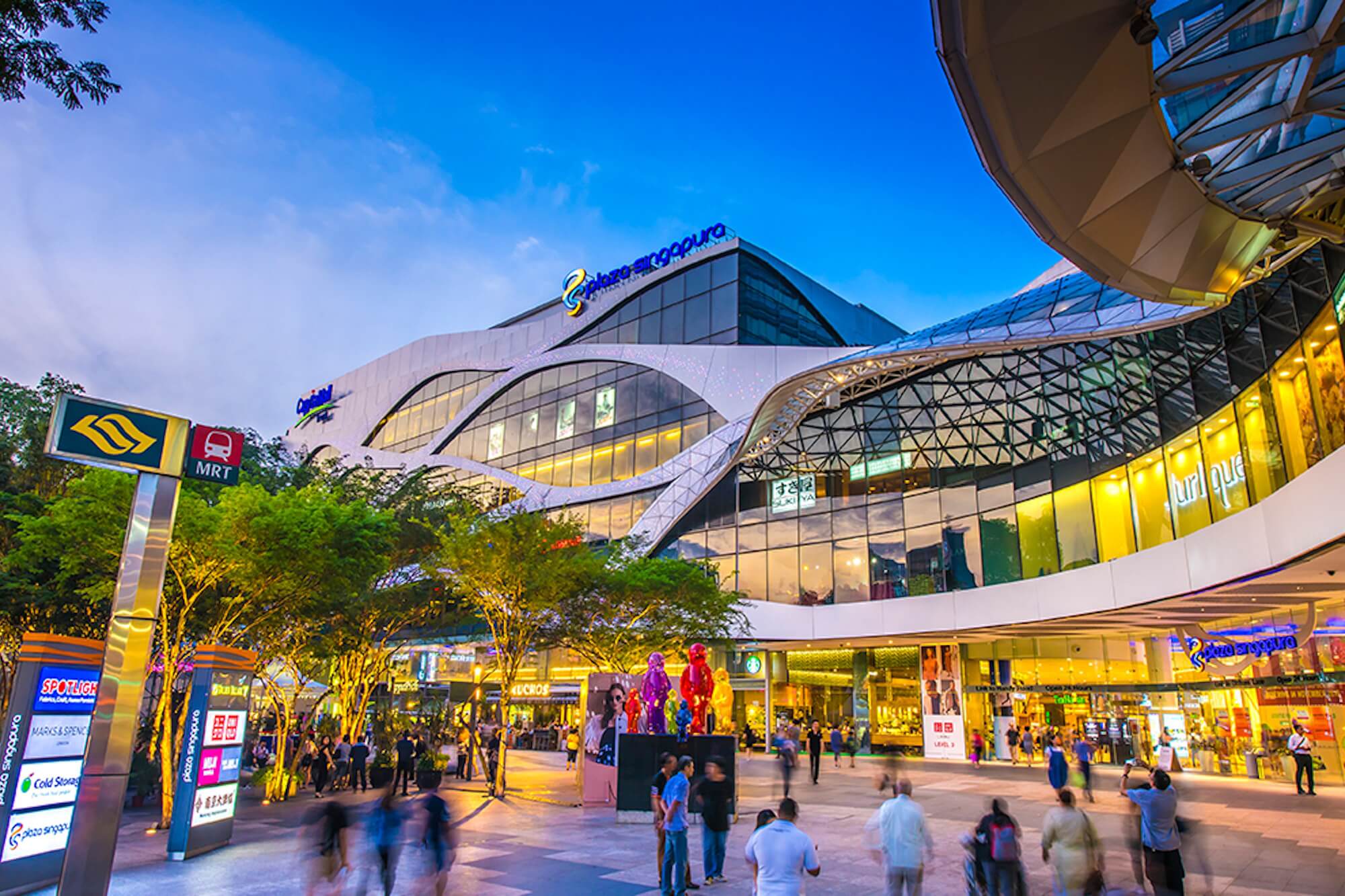
Singapore’s latest wave of asset enhancement initiatives (AEIs) is being defined by bold moves at the heart of Orchard Road. CapitaLand Integrated Commercial Trust (CICT) has committed $160 million to revamp Plaza Singapura and Atrium@Orchard, a signal that prime retail assets must continually reinvent themselves to stay relevant. At the same time, Metro’s upcoming exit from Paragon will open the door for fresh reconfiguration, while Frasers Centrepoint Trust’s Causeway Point is preparing its own enhancement programme. These headline projects capture the urgency of renewal in a market where consumer habits are shifting and competition is intensifying.
A Broader Pattern of Renewal
Beyond Orchard Road, AEIs are unfolding across the island. City Developments’ City Square Mall has completed a $50 million refresh aimed at improving shopper experience and strengthening its suburban appeal. In hospitality, Frasers Hospitality has announced $140 million in enhancements across four gateway city properties in Singapore, Melbourne, Kuala Lumpur and London. REITs, too, are leaning heavily on AEIs to sustain distributions, with managers deploying enhancements as a yield-accretive tool in an environment where organic rental growth is harder to achieve. Together, these initiatives reflect a coordinated push to keep assets competitive amid rising costs and evolving demand.
Why AEIs Are Resurfacing
The resurgence of AEIs is driven by several converging forces. Slowing rental growth has made enhancements a necessary lever to sustain investor returns. Consumers are increasingly drawn to lifestyle, dining, and experiential offerings, pushing landlords to rethink traditional retail formats. Policy imperatives, particularly sustainability targets, are also shaping the scope of AEIs, with energy efficiency and green features becoming standard expectations. Meanwhile, regional hubs such as Bangkok and Kuala Lumpur are upgrading aggressively, raising competitive pressure on Singapore’s assets.
Implications for Stakeholders
For investors, AEIs remain a proven way to unlock value, though the capital expenditure required carries significant risks. Tenants often face higher rents but benefit from improved amenities and stronger footfall. Consumers enjoy enhanced experiences, though rising costs may eventually be passed down. On a broader level, AEIs reinforce Singapore’s ethos of continuous renewal, ensuring that its urban landscape remains dynamic and globally competitive.
Risks and Criticisms
Despite their appeal, AEIs are not without risks. Over-reliance on enhancements as a growth lever may mask deeper structural challenges in retail and hospitality. Rising construction costs and sustainability compliance burdens could erode returns. There is also the danger of mismatch: upgrading assets without aligning with actual consumer demand. For tenants, short-term disruption during renovations can be painful, particularly for smaller businesses that lack the resilience of larger chains.
Looking Ahead
The future of AEIs in Singapore will likely involve more than cosmetic refreshes. Brownfield redevelopment and mixed-use transformations are emerging as strategies that align with Singapore’s smart city and sustainability goals. The challenge will be to ensure AEIs are not just incremental upgrades, but genuine reinventions that meet the needs of tomorrow’s consumers and tenants.
The $160 million revamp of Plaza Singapura and Atrium@Orchard, alongside Metro’s exit sparking AEI plans at Paragon, captures the essence of Singapore’s property market today: a relentless drive to renew, reposition, and remain relevant. AEIs showcase resilience and adaptability, but they also reveal a reliance on a familiar lever in a market where organic growth is harder to come by. As Singapore embarks on this new wave of enhancements, the critical question remains: will AEIs be enough to future-proof the city’s property landscape, or will deeper reinvention be required?
Top Image Credit: CICT


Lifestyle
15 Of The Cheapest EV Cars In Singapore


Budgeting 101
7 Ways Being Frugal Is Different From Being Cheap


Street Smart
Singapore Gym Membership Price Guide (2026 Edition)


Street Smart
Singapore Gym Membership Price Guide (2026 Edition)

Bonds and Fixed Income
Complete Guide To Buying Singapore Savings Bonds (SSB) [2026 Edition]


