
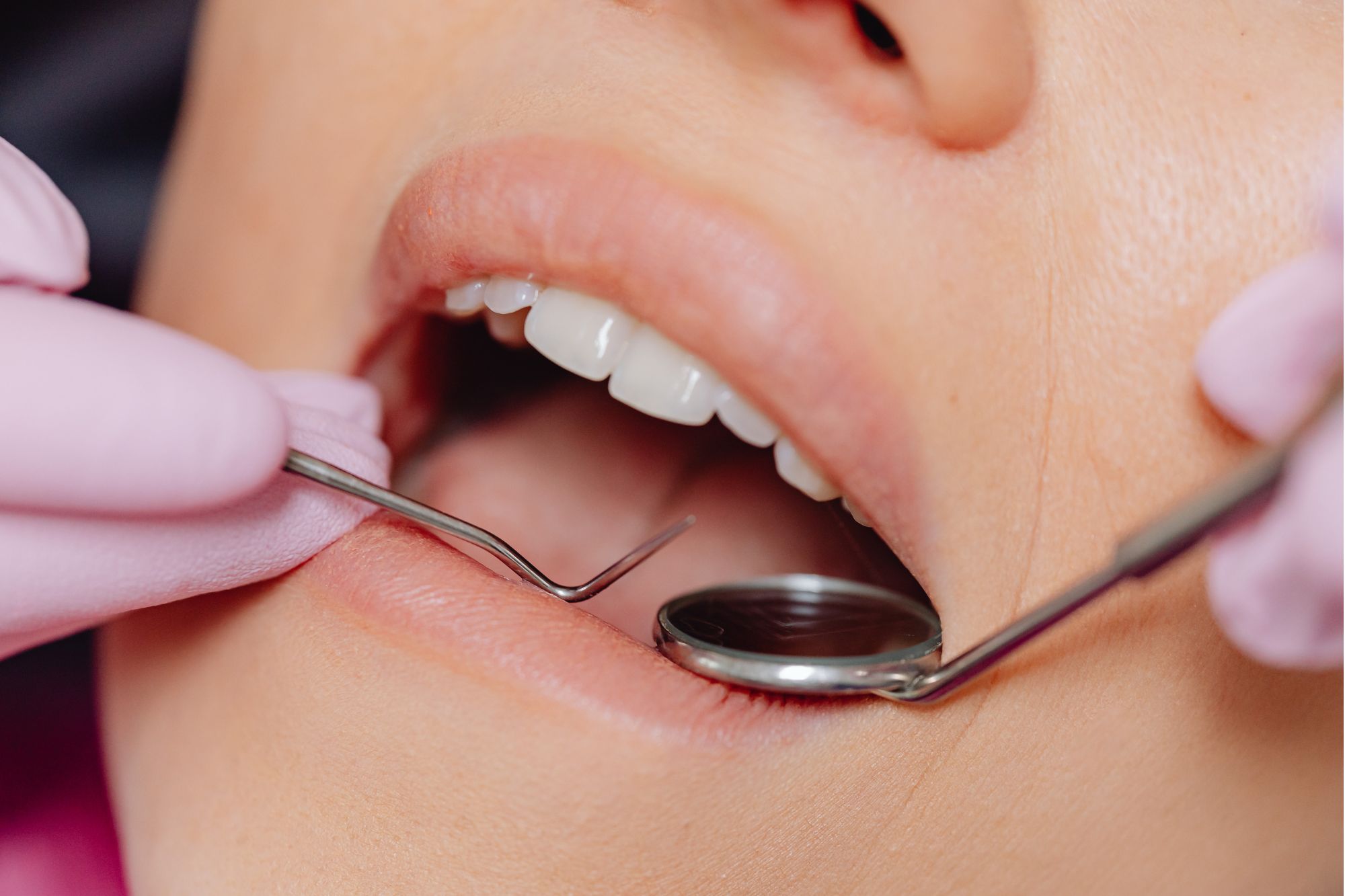
We all know that getting dental work done in Singapore can be excruciating, not only for your mouth but also for your wallet. Bills can quickly add up, especially if it’s for restorative work like root canals or the extraction of wisdom teeth.
Yet, many people in Singapore don’t realise that the Community Health Assist Scheme (CHAS) actually offers subsidies for dental care that can take a meaningful bite out of these costs.
If you’re a Singapore citizen and you visit a participating CHAS dental clinic, you can reduce what you pay for everything from routine scaling to more expensive treatments.
Understanding how the subsidies work and what you can realistically save helps optimise your decisions about your dental care – especially with regards to cost. It also encourages something many of us tend to put off or procrastinate on: early, preventive dental treatment before small problems morph into bigger and more expensive ones.
So, here’s a quick breakdown of the potential savings you can enjoy if you utilise CHAS dental subsidies.
How CHAS Dental Subsidies Work
First off, let’s establish how CHAS functions. CHAS categorises Singaporeans into different tiers based on income or age group.
The main ones for dental care are CHAS Orange and CHAS Blue, along with the two senior-focused schemes; Pioneer Generation (PG) and Merdeka Generation (MG). Your tier determines how much in subsidies you’re eligible to receive.
The subsidy is applied immediately at the clinic. When you present your CHAS, MG or PG card, the clinic deducts the subsidy amount from the bill and you pay the balance.
Just a reminder; for CHAS Orange, you need to have a household monthly income (per person) of between $1,501 and $2,300. For CHAS Blue, that household monthly income (per person) requirement is $1,500 and below.
The subsidy covers two main groups of procedures: basic and preventive treatments like consultations, scaling and polishing, fillings and simple extractions, and selected restorative treatments such as root canal treatment, crowns, dentures and temporary fillings.
These subsidies are not tied to public clinics; you can use them across many private dental clinics islandwide as well, with the caveat being that they are CHAS participants. You can find CHAS dental clinics on the Clinic Locator tool on the CHAS website.
This not only makes dental care much more accessible but also gives you the flexibility in choosing a location and dentist that suits you.
Read Also: Complete Guide To The Community Health Assist Scheme (CHAS)
What Kind Of Savings Can You Expect?
The savings vary widely depending on your CHAS tier and the type of dental procedure. Basic preventive treatments receive smaller subsidies, but they still help reduce routine maintenance costs.
More complex procedures carry much higher subsidy caps, which is where the real financial impact shows up.
For example, CHAS Orange cardholders receive subsidies for basic procedures such as consultations and scaling. CHAS Blue cardholders receive higher levels of subsidy, ranging from $11 all the way up to $615 per procedure.
For example, for a CHAS Blue cardholder, they can receive a $20.50 subsidy per basic consultation – up to twice per calendar year. If they need a permanent crown then they can receive a subsidy of $615 per crown, up to 4 permanent crowns per year.
Meanwhile, for a CHAS Orange cardholder, their subsidy ranges from $7.50 all the way up to $410 per procedure.
Seniors in the Merdeka and Pioneer Generation tiers receive even larger amounts to support their long-term oral health, reflecting the higher dental needs that come with age, with the range for both starting from $16 all the way up to $620 per procedure.
Where the subsidies become significant is in restorative treatments. A crown, for instance, can cost several hundred dollars or more at a private clinic and the generous amounts on offer can help individuals save a lot on more expensive dental work.
Even if you only use CHAS for preventive care, the savings add up over time given the cost of private dental care. Annual scaling and polishing visits (which are often avoided because of cost) become more manageable and allow us to get more regular checkups – helping us avoid bigger expenses later.
Read Also: Cost Guide To Common Dental Treatments At Private Clinics In Singapore
How To Maximise Your CHAS Subsidies
The simplest way to maximise your savings is to visit a CHAS-accredited dental clinic and check your tier before your appointment.
Clinics will usually tell you what procedures are eligible, what the CHAS subsidy covers and what you’ll need to pay after subsidy.
It’s also helpful to ask for itemised quotes. Subsidies can reduce your bill but you should also keep in mind that private clinics set their own prices. One clinic’s fees minus subsidy may still be substantially more expensive than another clinic’s fees with the same subsidy applied.
If you’re a senior under the Merdeka or Pioneer Generation schemes, it’s worth staying informed about upcoming changes to see if the Ministry of Health (MOH) offers up any new subsidies in the years ahead.
Early Dental Treatments Can Prevent More Expensive Ones In Future
Dental care doesn’t often feature that much in conversations about rising healthcare costs but it should, given both increasing awareness around the importance of dental hygiene and also its extravagant cost.
Untreated dental issues can become expensive down the line, and CHAS helps to prevent that by making routine and essential care far more accessible for everyday Singaporeans.
If you hold a CHAS Orange/Blue, PG or MG card, it’s worth taking advantage of what you’re entitled to. Whether you’re going for routine scaling or preparing for a major restorative procedure, the subsidies can save you anywhere from a small amount to several hundred dollars.
In short, CHAS dental subsidies are one of the most practical ways Singaporeans can manage one aspect of their healthcare costs without compromising on the quality of care.
Advertiser Message
Thinking Of Switching Brokers Or Consolidating Your Holdings?
Tiger Brokers is currently running a transfer-in campaign where eligible clients can receive an iPhone 17 Pro Max* when they transfer in their assets.
For SGX investors, there is also a CDP Transfer promotion with 0* commissions on Singapore stocks.
Find out more here. *T&Cs apply.



Lifestyle
15 Of The Cheapest EV Cars In Singapore


Budgeting 101
7 Ways Being Frugal Is Different From Being Cheap


Street Smart
Singapore Gym Membership Price Guide (2026 Edition)


Street Smart
Singapore Gym Membership Price Guide (2026 Edition)

Bonds and Fixed Income
Complete Guide To Buying Singapore Savings Bonds (SSB) [2026 Edition]


