
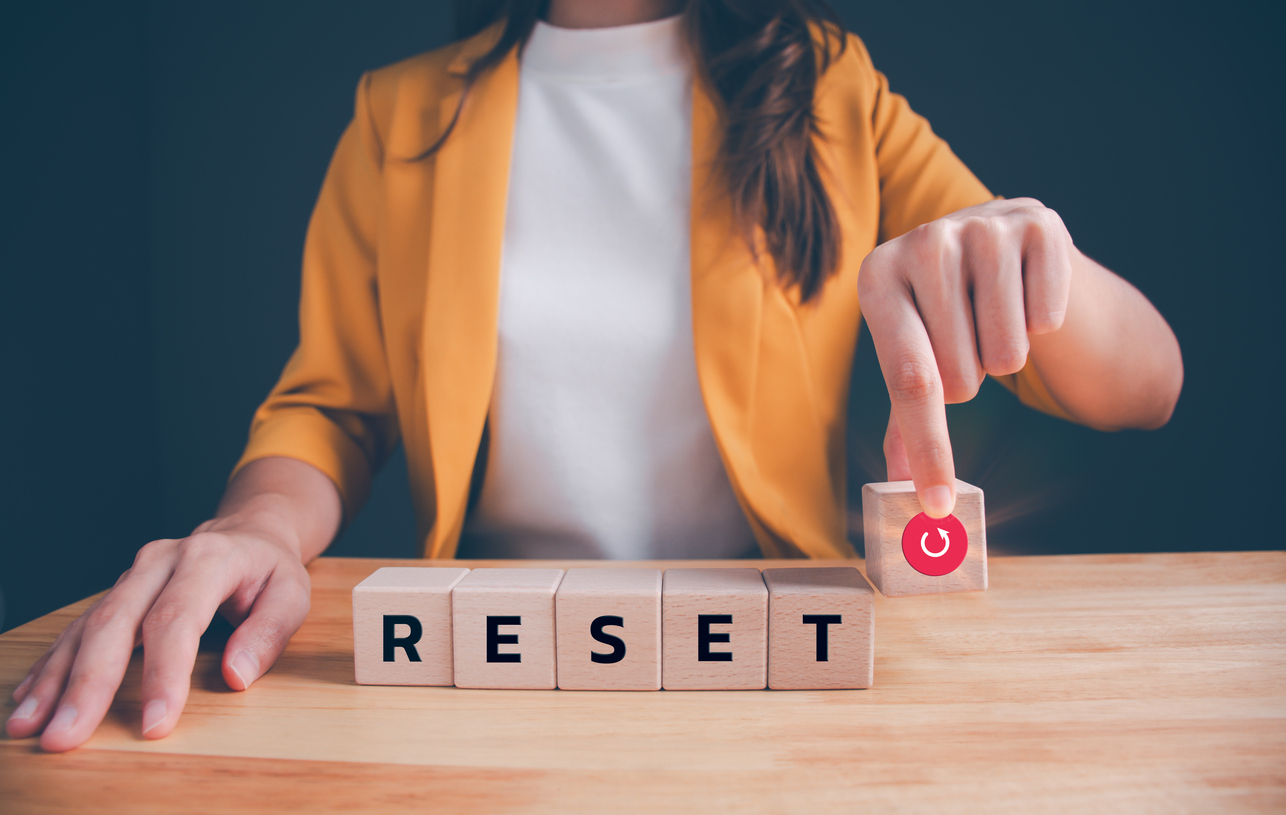
Every once in a while, we spring clean our homes, clearing out things we no longer need and creating more space in our lives. It could mean getting rid of old clothes, unused gadgets, or furniture that has been sitting around for years. Some people even go on a detox or fast as a way to reset their bodies and habits. The idea is simple: by removing what no longer serves us, we can focus on what truly matters.
The same principle can apply to our finances. Over time, it is easy for unnecessary expenses, forgotten subscriptions, and inefficient spending habits to creep into our budgets.
Taking the time to reset our finances allows us to identify what we truly need, eliminate wasteful spending, and make better use of our money. In this article, we explore 5 ways to reset your finances and lower your cost of living in Singapore.
#1 Declutter Your Subscriptions
Keeping your subscriptions to a bare minimum has several advantages. The most obvious benefit is that it saves you money. By eliminating services that no longer serve a clear purpose, you reduce the amount you pay each month.
However, decluttering your subscriptions is not just about saving money. It can also help you live a more organised life. Every subscription represents a commitment of your time and mental bandwidth. The more subscriptions you have, the more likely it is that you are spending hours each day on these services.
By trimming your subscriptions, you can reduce distractions and focus on activities that matter most to you. For example, instead of juggling multiple streaming platforms and endlessly browsing for something to watch, you may find yourself spending that time on hobbies, including exercising, reading, or spending more quality time with your family.
#2 Automate Your Investments
Many of us invest with good intentions, but often end up delaying it because we are busy, worried about market conditions, or feel that we do not have enough spare cash.
Automating your investments removes these obstacles by making investing a regular part of your monthly finances. This can be done through a monthly investment plan with a brokerage or a robo-advisor portfolio. Once you have decided on an amount that fits your budget, the process can run automatically with minimal effort.
The biggest advantage is that it helps you build wealth consistently. Rather than investing only when you have excess cash at the end of the month, you prioritise your future by treating investing as a regular expense. Over time, this disciplined approach can help you accumulate a sizeable investment portfolio.
Automation can also help remove emotions from investing. During market downturns, many investors hesitate to buy because they fear prices may fall further. During market rallies, some may rush in, fearing they’ll miss out. By sticking to an automated investment plan, you continue investing regardless of short-term market movements, allowing discipline rather than emotions to drive your decisions.
#3 Focus More On Time Spent, Rather Than Money Spent
Many of us spend as a way to reward ourselves. While there’s nothing wrong with enjoying the money we earn, many of us have also been conditioned to believe that spending money is the easiest way to feel happier, more comfortable and less stressed.
Resetting our finances requires us to challenge this mindset. Instead of immediately reaching for our wallets, we can ask whether there are lower-cost ways to achieve the same outcome. If we want a good meal, cooking at home with quality ingredients can be both enjoyable and cheaper than dining out. If our children want to spend time outdoors, a visit to the neighbourhood park may be just as memorable as a paid attraction. If we are exhausted after work, what we may really need is an earlier night of sleep rather than a drink at the bar followed by an expensive Grab ride home.
The goal is not to eliminate spending altogether. Rather, it is to recognise that money is not the only way to create happiness. By spending intentionally and focusing on what truly adds value to our lives, we can lower our expenses without necessarily lowering our quality of life.
#4 Eliminate Lifestyle Inflation
As our income rises, our spending often rises alongside it. We may move to a larger home, sign up for a more expensive gym membership, pay for premium subscriptions, or dine at pricier restaurants more often. Often, these “upgrades” become permanent expenses that provide only temporary satisfaction.
A financial reset is a good opportunity to review the lifestyle upgrades we have accumulated over the years and ask whether they are still worth paying for. By identifying expenses that no longer add value, we can lower our monthly cost of living without feeling deprived.
The goal is not to avoid lifestyle inflation altogether. Rather, it is to ensure that higher spending reflects choices that improve your quality of life, rather than habits that have accumulated over time. In this way, a higher income can translate into greater well-being rather than simply a higher cost of living.
#5 Choose The Economic Version In Everything You Buy
Businesses are constantly encouraging us to buy more. For a small additional cost, we can upsize our meal, purchase the larger pack or subscribe to the premium plan. Since the incremental cost often appears small, saying yes can feel like an easy decision.
However, these small upgrades can gradually add up to a larger expense. We end up paying for more food than we can finish, or more features than we actually need. In some cases, we also create additional clutter by buying larger quantities simply because they appear to offer better value.
A financial reset is a good opportunity to challenge the assumption that more is always better. Instead of asking whether the larger or premium option offers better value, ask whether you actually need it. Very often, the standard-sized meal, basic subscription plan, or smaller pack is more than sufficient.
Read Also: 6 Ways To Achieve A Truly Minimalist Finance Lifestyle In Singapore
Photo Credit: iStock/Atomic62 Studio
Advertiser Message
Thinking Of Switching Brokers Or Consolidating Your Holdings?
Tiger Brokers is currently running a transfer-in campaign where eligible clients can receive an iPhone 17 Pro Max* when they transfer in their assets.
For SGX investors, there is also a CDP Transfer promotion with 0* commissions on Singapore stocks.
Find out more here. *T&Cs apply.



Family Planning
Cost Guide To International School Fees In Singapore


