
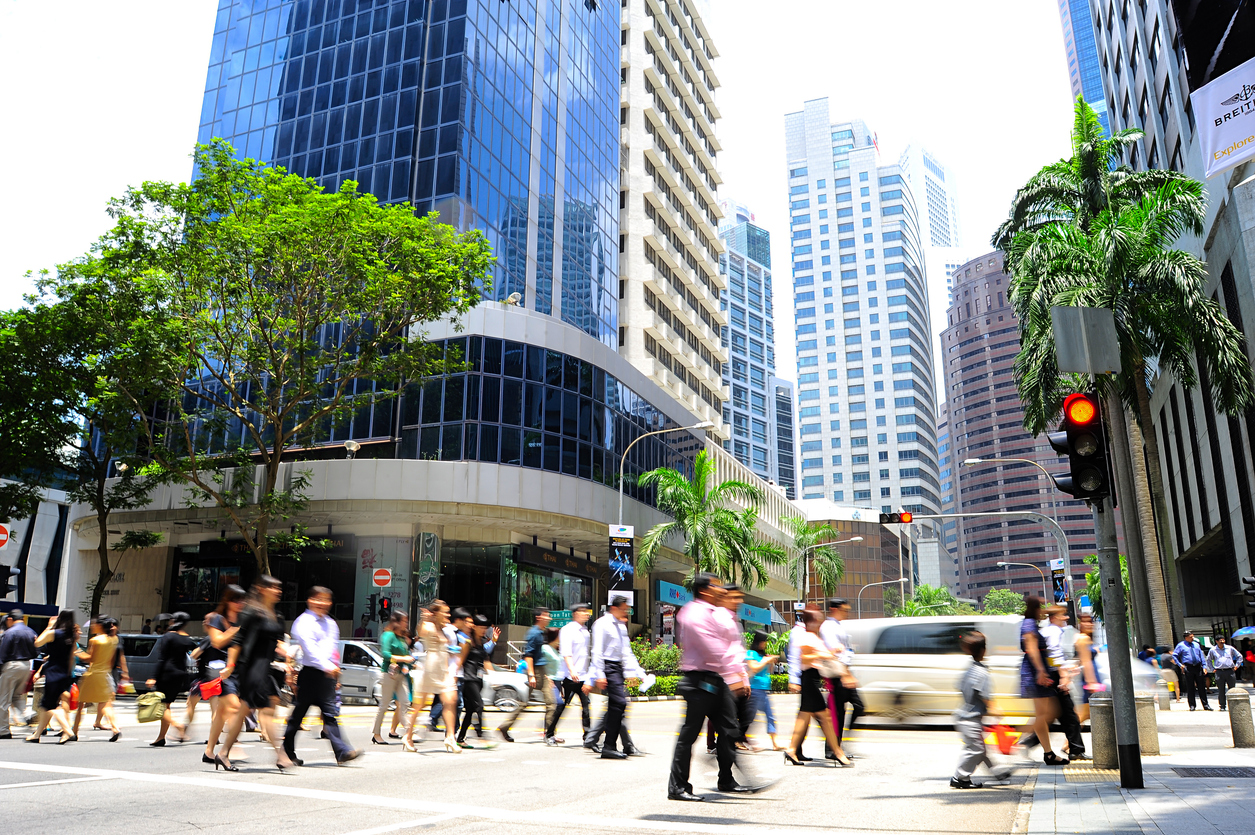
As Singapore’s population ages and people live longer, it is becoming increasingly common for many to continue working beyond what previous generations considered the “retirement age”.
To support this shift, Singapore has gradually raised both its retirement and re-employment ages over the years. On 1 July 2026, the retirement age in Singapore was increased to 64 while the re-employment age was increased to 69. These changes are part of Singapore’s gradual roadmap to eventually raise the retirement age to 65 and the re-employment age to 70 by 2030.
What Are Singapore’s Retirement Age And Re-Employment Age?
The retirement age is the earliest age at which an employer can require an employee to retire. In other words, employers cannot ask an employee to retire before reaching the statutory retirement age simply because of their age.
The re-employment age, on the other hand, refers to the age up to which eligible employees should be offered re-employment if they wish to continue working and meet the relevant criteria. This recognises that many older workers remain willing and able to contribute, while giving employers flexibility to make reasonable adjustments to job roles where necessary.
What This Means For Employees?
For workers, the most immediate benefit is an additional year of statutory employment protection.
Employees cannot be required to retire before age 64, and eligible workers who wish to continue working may now be offered re-employment up to age 69, provided they continue to meet the relevant requirements.
For those who enjoy their work or need additional income, this creates another opportunity to remain economically active. This can help strengthen retirement savings while delaying the need to rely entirely on our CPF funds.
However, it is important to remember that these changes do not affect CPF withdrawal ages, CPF LIFE payout eligibility, or other CPF-related milestones. Those are governed by separate rules and timelines. Raising the retirement and re-employment ages simply affects employment protections and opportunities to continue working.
What This Means For Employers?
For employers, the changes are another reminder that Singapore’s workforce is ageing and becoming more experienced.
Rather than viewing older employees as nearing the end of their careers, organisations may increasingly need to consider how to support longer career journeys. This may involve reviewing HR policies, updating employment contracts where necessary, and ensuring internal processes reflect the revised statutory ages.
Companies may also invest more in training and upskilling so that mature employees continue developing relevant skills alongside younger colleagues. Job redesign can also help older workers remain productive by adapting roles to changing physical demands or leveraging their experience in mentoring, advisory, or specialist positions.
Flexible work arrangements may become more valuable as employees approach later stages of their careers. Some workers may prefer reduced hours, project-based work, or hybrid arrangements rather than full-time employment.
A Higher Retirement Age Does Not Replace Retirement Planning
While the higher retirement and re-employment ages provide greater flexibility, they should not be viewed as a substitute for retirement planning.
Building sufficient retirement savings remains important because not everyone will want to work until their late 60s, and not everyone will be able to do so due to health or personal circumstances.
Keeping skills up to date is equally important. As industries evolve and technology changes, remaining employable often depends on continuous learning rather than years of experience alone.
Ultimately, retirement should be viewed less as reaching a statutory age and more as achieving financial security and the lifestyle you want. The revised retirement and re-employment ages simply provide Singaporeans with greater flexibility to decide when that point arrives.
Read Also: What Happens If You Continue Working After Singapore’s Retirement Age Of 64
Photo Credit: iStock/joyt


Budgeting 101
7 Ways Being Frugal Is Different From Being Cheap


Street Smart
Singapore Gym Membership Price Guide (2026 Edition)


Street Smart
Singapore Gym Membership Price Guide (2026 Edition)


