
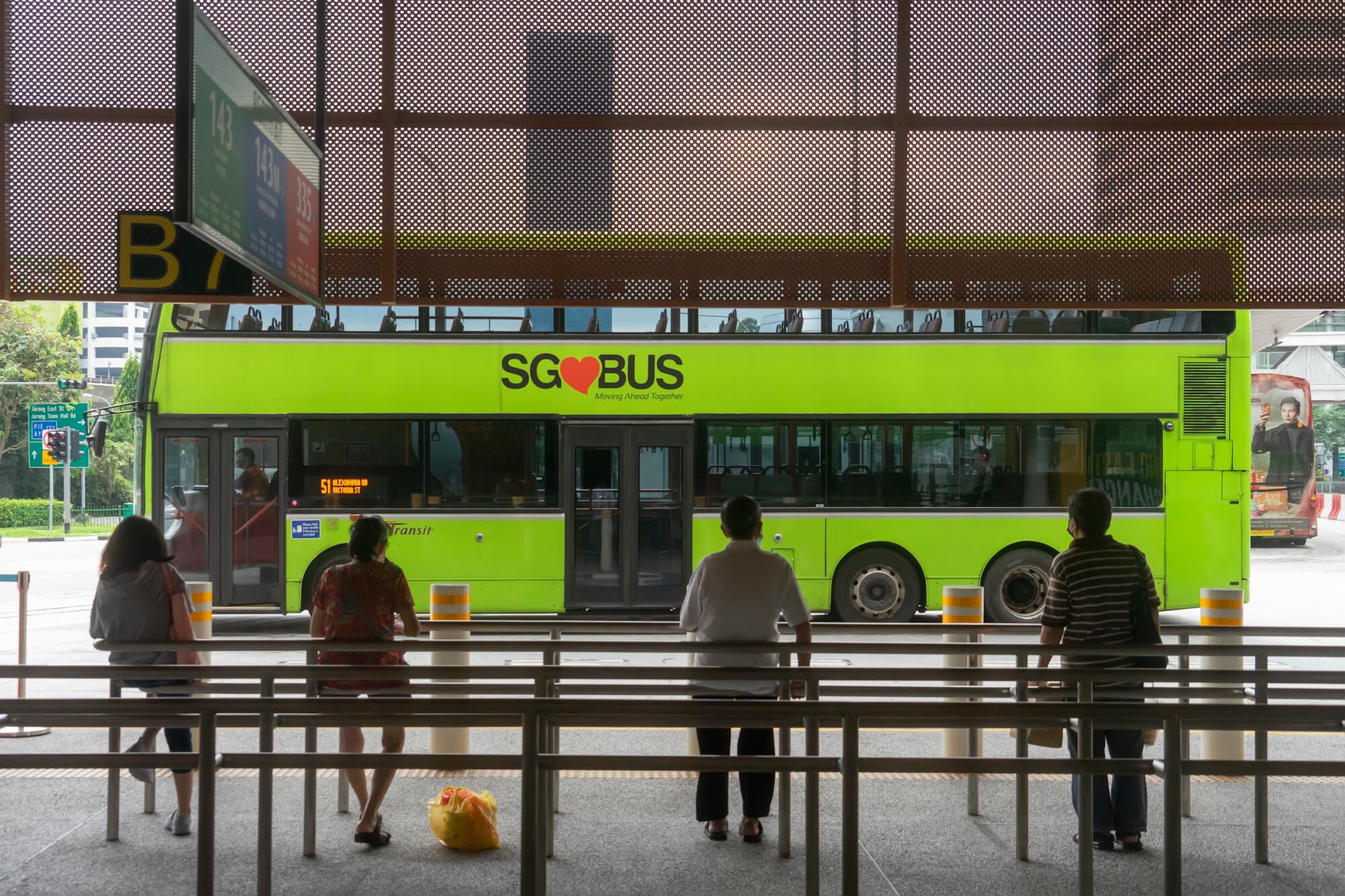
Every morning, hundreds of thousands of Singaporeans board buses as part of their daily commute. Alongside the MRT, buses are the main form of public transport in Singapore. As a result, the bus captain is about as essential as it gets in the public transport ecosystem. Yet, the profession rarely gets the spotlight it deserves when people talk about careers and salaries in Singapore.
That perception is changing, though. Earlier this month, the Land Transport Authority (LTA), the National Transport Workers’ Union (NTWU), and all four public bus operators jointly announced a significant increase in starting salaries and sign-on bonuses for new local bus captains, with changes taking effect from January 2027. Here’s how much you can earn as a bus captain in Singapore.
What Does A Bus Captain Actually Do?
Bus operators here in Singapore deliberately use the term “bus captain” rather than “bus driver” to professionalise the role and signal that it entails genuine responsibility beyond driving. Essentially, they ensure punctual and safe transport of passengers along assigned routes, often across long shifts that include early mornings, late nights, and weekends. They also provide customer service to passengers who require assistance, including those in wheelchairs.
By default, the work is highly shift-based. Routes run from the early hours through to midnight, making the schedule demanding. The upside is that the pay structure reflects the shift-work schedule. Shift allowances and overtime form a meaningful part of total compensation, and the headline salary number can understate what many bus captains actually take home each month.
Read Also: Salary Guide: How Much You Can Earn As A Harbour Pilot In Singapore
Starting Salary: What You Can Expect When First Joining
The four bus operators in Singapore are SBS Transit, SMRT Buses, Go-Ahead Singapore, and Tower Transit Singapore. Salary structures vary slightly across operators, but the broad parameters are publicly available. As of mid-2026, SBS Transit advertises a gross monthly salary of up to $4,500 for local bus captains, with a sign-on and training incentive package of up to $25,000. Meanwhile, SMRT is currently offering a joining bonus of up to $30,000 for Singapore Citizens and Permanent Residents (PRs), with a monthly pay of up to $4,000. Go-Ahead Singapore has advertised monthly salaries of up to $4,200, along with a sign-on bonus of up to $20,000.
From January 2027, however, starting salaries will increase by a further $450 per month for new local hires, funded by the Government following a tripartite agreement between LTA, NTWU, and all four operators. Combined with the increase in first-year sign-on bonuses (which will rise by $2,000), most new local bus captains entering the profession in 2027 should expect total monthly compensation of over $4,000, factoring in basic pay, overtime, allowances, and bonuses.
How Total Pay Is Structured
It is worth understanding the distinction between basic salary and total monthly compensation, though, because bus captain pay is multi-layered and it’s not as simple as just a basic salary. The basic monthly salary forms just the foundation. On top of that, bus captains earn overtime pay for hours worked beyond their standard schedule, shift allowances that compensate for working unsociable hours, and variable bonuses tied to performance. The Bus Service Reliability Framework (BSRF) is one such mechanism: operators share incentive payouts with bus captains when reliability targets are met, so company-level performance can translate into higher individual earnings.
Then there are the sign-on bonuses. These have become increasingly substantial as competition for local talent has intensified (with individuals less willing to explore a career as a bus captain). A sign-on bonus is typically paid out in tranches over an initial period of service, so it is not all received on day one. But for someone switching careers or entering the workforce, a six-figure joining package – across salary, bonuses, and allowances over the first couple of years – is now a realistic scenario.
Career Progression And Benefits
A bus captain’s pay is not static. Under the Progressive Wage Model (PWM), which SBS Transit has adopted since 2012, and the wider industry follows, there is a defined ladder of career grades. Bus captains can progress to Senior Bus Captain and eventually to Chief Bus Captain, the highest driving grade. Each tier carries a higher gross monthly salary. Beyond driving grades, there are also routes into supervisory, training, and operations management roles. SBS Transit specifically highlights career progression to executive and managerial positions in operations, management, and training as pathways available to bus captains.
Salary figures only tell part of the story. Bus captains at SBS Transit, for example, receive free travel on public transport, access to annual health screenings, and flexible benefits under the operator’s employee package – more “soft” benefits that don’t show up in the hard salary numbers. Staff transport is also provided so, for employees who would otherwise spend a meaningful amount each month commuting, these perks add genuine value.
What Are The Requirements To Become A Bus Captain?
To become a bus captain, you will need a Class 3 driving licence and, in most cases, at least one year of driving experience. The operators provide the vocational licence training required to drive a bus professionally in Singapore, which is typically covered by the training incentive package. This means the barrier to entry is lower than many people assume. You do not need a degree, prior transport industry experience, or technical qualifications beyond your driving licence. The more honest qualifier is whether the working conditions suit you, particularly the shift work, public-facing pressure, and the weight of safely operating a large bus in heavy traffic. Those will be the key determinants of whether it’s the right role for you.
Read Also: Salary Guide To How Much Can You Earn As An ICA Officer
Is It A Viable Career Choice In 2026?
The compensation picture has genuinely improved, with total monthly earnings in the $3,500 to $4,500 range, a six-figure sign-on package spread over your first few years, a structured career progression model, CPF contributions, and non-cash benefits. This represents a package that holds its own against a number of other blue-collar and even entry-level white-collar roles in Singapore. The structural challenge, however, is real. The fact that bus operators are offering sign-on bonuses of up to $30,000 to attract local talent reflects how difficult recruitment has become, and that partly reflects the difficulty in working conditions, primarily the brutal shift hours.
Irregular hours remain a core feature of the job, and the proportion of local bus captains in the workforce continues to decline. In 2024, only 28% of the 9,700 bus captains in Singapore were citizens, while PRs accounted for another 15%, according to a parliamentary reply in October 2025. With that said, though, the upcoming 2027 salary increase signals that the Government and operators are committed to continued investment in the profession and the long-term trajectory of pay appears bright. If you are comparing careers on salary alone, being a bus captain in Singapore in 2026 pays better than most people think.


