
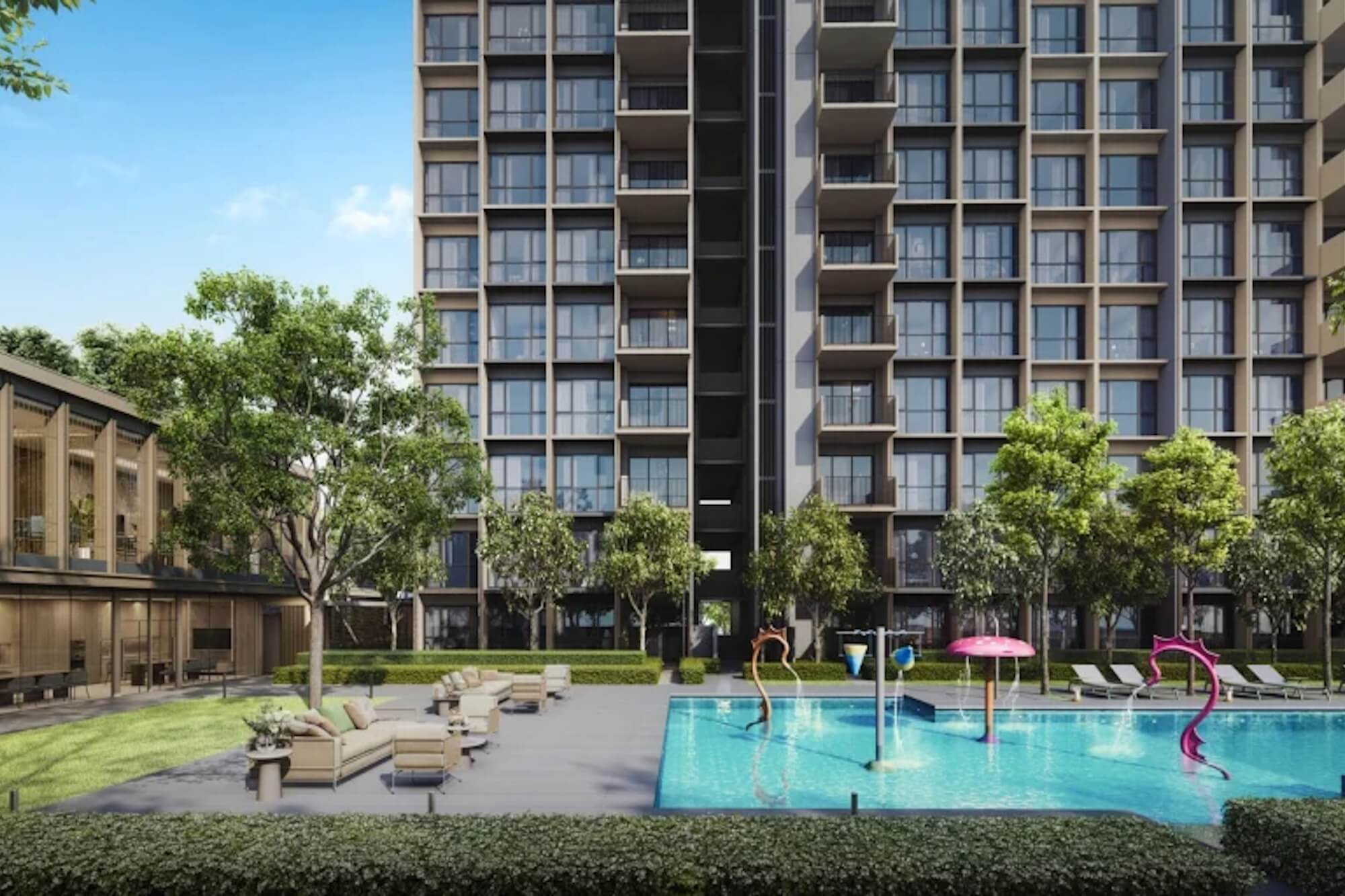
For years, the Deferred Payment Scheme (DPS) was an attractive option for Executive Condominium (EC) buyers in Singapore. By allowing purchasers to pay only 20% upfront and defer the remaining 80% until the project received its Temporary Occupation Permit (TOP), the scheme gave families significant breathing room for their cash flow. But with the Ministry of National Development’s recent decision to sunset the DPS for EC Government Land Sale sites tendered on or after 8 May 2026, the landscape has shifted dramatically. For HDB upgraders, often the largest segment of EC buyers, this change carries significant implications for affordability, timing, and financial planning.
Read Also: New EC Rules In Singapore: What A 10-Year MOP Means For Future Executive Condo Buyers
Why HDB Upgraders Were Drawn To DPS
HDB upgraders often face a delicate balancing act. They are selling their existing flat, maintaining family expenses, and planning for upcoming renovation costs, all while committing to a new property. DPS offered them a way to bridge this transition.
Using the DPS to defer the bulk of their payments until TOP, upgraders could synchronise the sale proceeds from their HDB flat with the purchase of their EC unit. This reduced the risk of cash shortfalls during construction and gave them flexibility in managing CPF usage and bank loans.
Even with the 2% to 3% premium developers charged for DPS compared to the normal payment scheme, many saw it as a worthwhile trade-off for peace of mind. After all, HDB upgraders with existing home loans would typically not be able to service two loan repayments simultaneously.
Read Also: Pros And Cons Of Buying An Executive Condominium (EC), Over A Regular Condo
The Policy Shift
The removal of the DPS is part of the government’s broader push towards financial prudence. Policymakers have long been concerned that deferred payments encourage speculative behaviour, allowing buyers to commit to properties without fully considering long-term affordability.
In a speech in May, Minister for National Development, Mr. Chee Hong Tat also noted that the proportion of first-time EC buyers had decreased over the past few years, from about half in 2020, to between 30 and 40 percent in 2024 and 2025. In order to further support first-time home buyers, and to reduce their land bids and thus the price of the ECs, one of the policy changes involved sunsetting the DPS.
Developers for upcoming EC projects, starting with the land site at Canberra Drive currently open for tender, can only offer the Normal Payment Scheme (NPS) to buyers. This requires payments to be made progressively as construction milestones are reached, ensuring that buyers are financially engaged throughout the development period. This aligns EC purchases more closely with current private property norms.
Read Also: Complete First-Timers’ Guide To Buying A New Executive Condominium (EC) In Singapore
An Immediate Impact On Cash Flow Planning
For HDB upgraders, the most immediate effect is the need to prepare for progressive payments. Instead of a single large payment at TOP, families must now budget for staged disbursements over several years. This means that bridging loans and interim financing become more critical.
HDB upgraders who had previously hoped to rely on the sale proceeds of their HDB flat closer to the EC’s TOP will need to rethink their timelines. Selling earlier, or arranging temporary financing, may become necessary to avoid liquidity crunches.
The Disappearance Of The DPS Premium
One of the government’s goals when sunsetting DPS is to lower overall purchase costs. Developers typically priced DPS units higher to account for the deferred cash flow. With DPS no longer available, buyers avoid this premium. For HDB upgraders, this translates into slightly lower entry prices, even if the cash-flow burden is heavier during construction, making ECs more accessible to families who may now find EC prices more within their range.
The new rules force HDB upgraders to be more deliberate in their planning. Timing the sale of their flat becomes crucial, as does securing In-Principle Approval (IPA) for financing before committing to an EC purchase. Families must also factor in renovation costs, legal fees, and potential shortfalls between CPF usage and loan disbursements. The progressive payment schedule requires discipline, encouraging buyers to pace their financial commitments rather than face a single lump-sum shock at the TOP.
Long-Term Market Implications Of Sunsetting The DPS
The abolition of the DPS may subtly reshape the EC market, with buyers gaining a more level playing field in terms of pricing. For HDB upgraders, the change could reduce speculative demand and stabilise resale values, since fewer buyers will enter EC projects intending to flip units quickly after TOP, reinforcing the government’s emphasis on sustainable homeownership rather than short-term gains.
For HDB upgraders, the end of the Deferred Payment Scheme marks the beginning of a more disciplined approach to upgrading. While the convenience of deferring payments is gone, what remains is a clearer, more predictable financial path without any hidden premiums. Families will need to budget more carefully and align their property moves with progressive payments under the Normal Payment Scheme schedule. In the long run, this shift may foster healthier financial habits among upgraders and contribute to a more stable EC market, where affordability and prudence take precedence.
Read Also: From $1,142 psf To $1,893 psf: How EC Launch Prices Have Changed Since 2021
Top Image Credit: Coastal Cabana EC


Street Smart
Singapore Gym Membership Price Guide (2026 Edition)


