
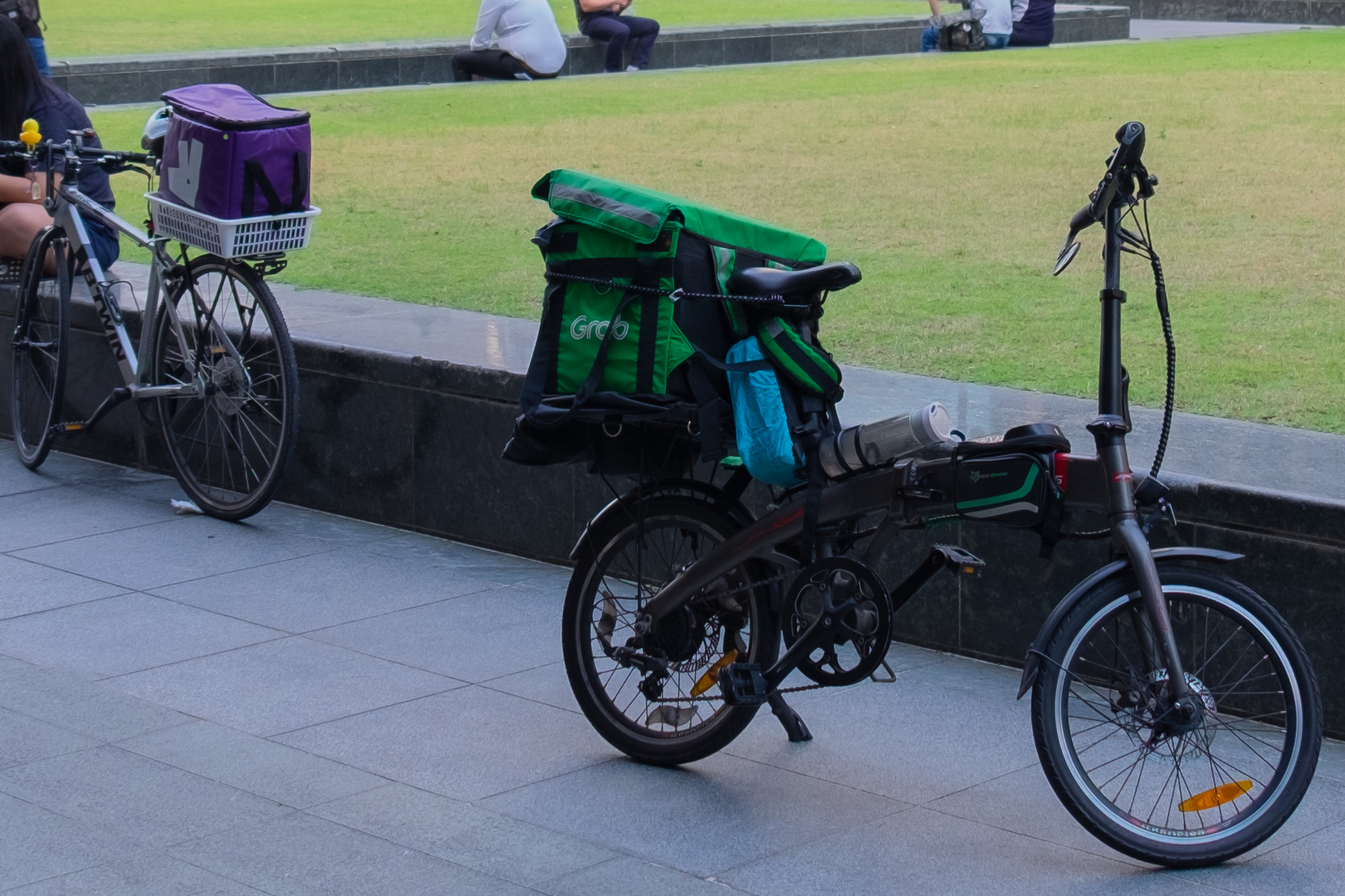
Since 2025, platform workers born on or after 1 January 1995 will have to contribute to all three CPF accounts — the Ordinary Account (OA), Special Account (SA) and MediSave Account (MA). Platform companies will also start making CPF contributions for their workers.
This change moves platform workers closer to the CPF structure that employees in Singapore already have today. Employees aged 55 and below contribute 20% of their wages to CPF, while their employers contribute an additional 17%. These employer contributions form a meaningful part of an employee’s overall compensation package.
For example, an employee earning $5,000 a month receives more than just their take-home salary.
| Component | Amount |
| Gross salary | $5,000 |
| Employee CPF contribution (20%) | $1,000 |
| Employer CPF contribution (17%) | $850 |
| Take-home pay | $4,000 |
| Total compensation | $5,850 |
While the employee receives only $4,000 in cash each month, their employer effectively pays $5,850 in total compensation. The additional $850 contributed to CPF, along with the employee’s monthly CPF contribution, supports the employee’s housing, healthcare, and retirement savings.
Platform Workers Born Before 1995 Can Choose Whether To Participate
Unlike younger platform workers, those born before 1 January 1995 are not required to contribute to CPF beyond MediSave. They can choose whether they want to opt in to the new CPF contribution framework.
Opting out means they will receive more cash immediately because they are not contributing part of their income to CPF. However, this also means they may miss out on CPF contributions from platform companies, which function similarly to employer contributions for employees.
By 2029, CPF contribution rates for platform workers are expected to reach parity with those of employees. This means platform companies could contribute up to 17% of a worker’s earnings to CPF.
If platform workers choose not to participate, they are effectively giving up this additional contribution.
How Much Platform Contributions Could Be Worth
To understand the potential impact, consider a platform worker who earns $3,000 a month. When platform contributions reach 17% of income, the platform’s monthly contribution would be $510, or $6,120 a year. Over a 20-year period, the total CPF contribution from the platform will be $122,400.
However, this figure does not include interest that could have been earned.
Assuming the CPF contribution earns the Special Account rate of 4.0% p.a., a platform worker would have lost out on about $187,000 in CPF savings over a 20-year period. This is already close to the Full Retirement Sum (FRS).
Again, this contribution is only what platform workers receive from the platform operator and does not include their own CPF contributions. Workers earning more would see an even larger difference.
More Cash Today, But Lower Total Compensation
Opting out of CPF contributions may initially feel like a pay increase because workers keep more of their income in cash each month. However, this comparison can be misleading because CPF contributions from platforms effectively form part of a worker’s total earnings.
Understanding how CPF contributions form part of total earnings can help platform workers make a more informed decision about whether opting out is truly worth it.
Read Also: How Much Are Platform Operators Required To Contribute To Their Platform Workers’ CPF Accounts?
Photo Credit: DollarsAndSense/Raymond Quek


Family Planning
Cost Guide To International School Fees In Singapore


