Most of us know the basic tenets of being financially prudent: setting a budget, cutting down on unnecessary spending, such as subscriptions and eat at home more often, saving money.
Yet, some people can take this mentality a step further – and even to the extreme. It can be thought of as “frugality in overdrive”. It turns into a lifestyle of squeezing out every last drop, sometimes literally, of the things we use every day.
These habits often start as ways to stretch a tight budget or not wanting to waste resources that will cost money to replace. Over time, many people continue doing them more out of habit and the “feel-good factor” than necessity.
So, here are 10 of the most extreme (and surprisingly common) frugal habits people use to make everyday products last just that little bit longer.
#1 Toothpaste Tubes
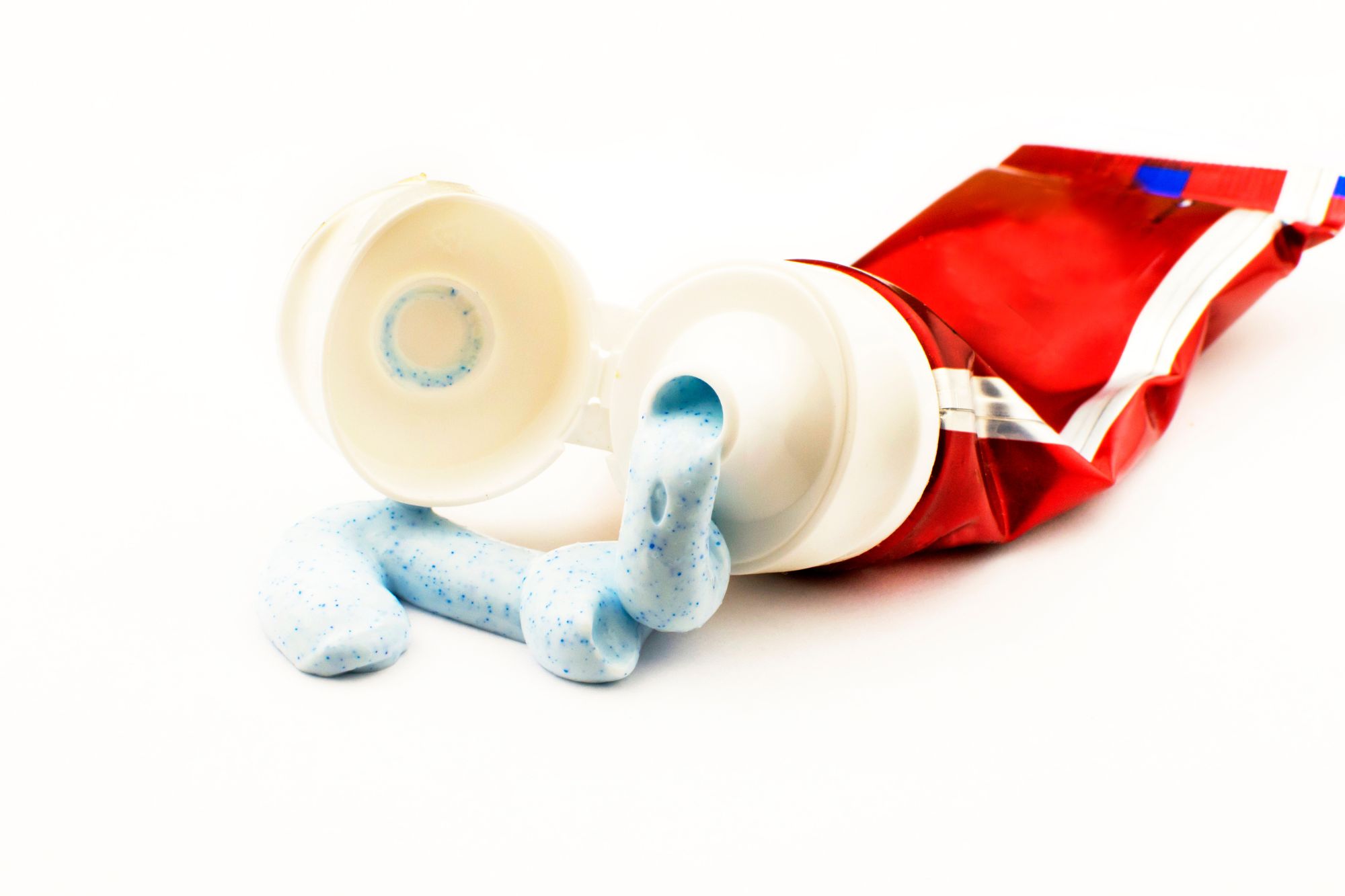
It’s one thing to roll up the end of a tube of toothpaste. It’s entirely on another level to take a pair of scissors, cut the tube open, and scrape out the remains with a toothbrush or cotton swab.
You’ll probably get two or three more brushes out of what looks like an empty tube.
For those who grew up in households where nothing went to waste, this isn’t unusual. Even though a new tube of toothpaste only costs a few dollars, the act of making the most out of it can feel oddly satisfying though – as nothing is going to waste.
#2 Shampoo & Conditioner (Or Dishwashing Detergent)
Bottles of shampoo, conditioner, or even dishwashing liquid always have a little bit left clinging to the sides after you think they’re empty. The frugal solution is to add water, shake it up, and use the diluted liquid for one, two or maybe even 10 more washes – depending on how little detergent you use.
Does it make your hair as silky clean or your dishes as spotless? Maybe not. But you’ve stretched the life of the product right to the end, and that’s what matters to extreme savers.
#3 Soap Slivers
While using a bar of soap might not be that common nowadays, they are certainly more economical for our showers.
As we should know, bars of soap always shrinks down to a thin, slippery piece that’s hard to use. Instead of throwing it out, some people collect these “soap slivers” and press them into the new soap bar so they never go to waste.
It may not look pretty, especially if you’re using a different bar, but it works just as well in the shower. Not only that but you’re making sure all of your soap bars go to use.
#4 Sponges
Sponges can become pretty disgusting, becoming a home for a host of bacteria and dirt. So, while we do regularly change our sponges at home for those dishes or general cleaning, it makes sense to get more use out of them.
One of the best ways that people like doing that is by cutting their sponges in half so you can use them for twice as long. Yes, sponges cost only a few dollars but it’s more about stretching the lifetime use of a sponge and half a sponge works just as well as one whole one.
#5 Clothes & Fabric
Many of us can spend a lot of money on clothes over time. Instead of spending more, we can adapt. Worn-out T-shirts or towels with holes in them don’t go straight into the rubbish.
They can get cut into rags for cleaning windows, dusting shelves, or wiping down counters. Old socks might be repurposed as polishing cloths.
It’s a habit that was common in older generations but still has practical value today too. After all, cleaning cloths are something you’d otherwise need to buy. And they’re all made of cotton anyway.
#6 Food Scraps
Extreme frugality extends into the kitchen as well. No one likes food waste.
Some have a tradition of weekend leftover lunches, where unfinished meals throughout the week are re-cooked into a meal.
Even ingredients such as vegetable stems, bones, and onion skins can be boiled down to make stock.
Think of that delicious whole chicken or T-bone steak we just had for dinner last night. Don’t throw away the bones. Use them to make something like a broth, or even congee. Citrus peels, like those from lemons or oranges, can be turned into cleaning sprays with vinegar. Bread that’s gone stale can be ground into breadcrumbs rather than tossed out.
#7 Plastic Bags & Containers
Even in the age of reusable shopping bags, many households still keep a stash of plastic bags tucked away somewhere. They’re actually never used just one time, and get reused as bin liners, storage bags, or even makeshift gloves.
Similarly, takeaway food containers get washed and stacked until the kitchen drawer is overflowing. At some point, though, it’s less about saving money and more about refusing to waste something that could still serve a purpose.
#8 Cold Showers
Living in a hot climate like Singapore, it doesn’t sound so bad having cold showers, but it’s not as common as you’d think. Remember, water heaters add to either your gas or electricity bill at the end of the month.
While the amount used for hot showers may not be substantial, having cold showers can help save on those costs. And remember, “shocking” our bodies with short, really cold showers has been shown to have beneficial effects for our health.
#9 Stationery
Pens are shaken furiously, scribbled on scrap paper, and even run under warm water to squeeze out the last bit of ink. Pencils are sharpened down until they’re barely large enough to hold. Notebooks or paper get used front to back with no wasted space.
While stationery is inexpensive, there’s something about using a pen to its final drop and writing on every last page in a notebook that gives a sense of completeness and satisfaction. It’s almost like you’ve honoured its full purpose.
#10 Suitcases
When it comes to consumer goods, we all like to get the last little bit out of everything we use and suitcases (luggage) are no exception.
Some suitcases can be battered beyond recognition but, as long as they’re functioning and able to store your clothes for a holiday, many people still like using their old suitcases.
This may be more sentimental than anything else but with many credit card offers in Singapore now offering free luggage/suitcases as a welcome gift, there’s not really any practical excuse for keeping our old and worn-out suitcases.
Why Do People Still Do It?
The irony is that most people who practise these habits aren’t doing it because they desperately need to. They may be financially comfortable, with more than enough disposable income to replace things without much thought. Yet the frugal habits persist.
Part of it is psychology. There’s satisfaction in getting “free” extra use out of something you’ve already paid for. It feels like you’ve beaten the system, even if the actual savings are negligible.
For others, it’s a matter of upbringing. Witnessing your parents doing it on a regular basis when you were a kid can certainly impact us and we tend to bring these habits with us into adulthood.
Read Also: 5 Things Singaporeans Do To Save Money, Only For Them To End Up Spending More
Advertiser Message
Thinking Of Switching Brokers Or Consolidating Your Holdings?
Tiger Brokers is currently running a transfer-in campaign where eligible clients can receive an iPhone 17 Pro Max* when they transfer in their assets.
For SGX investors, there is also a CDP Transfer promotion with 0* commissions on Singapore stocks.
Find out more here. *T&Cs apply.