
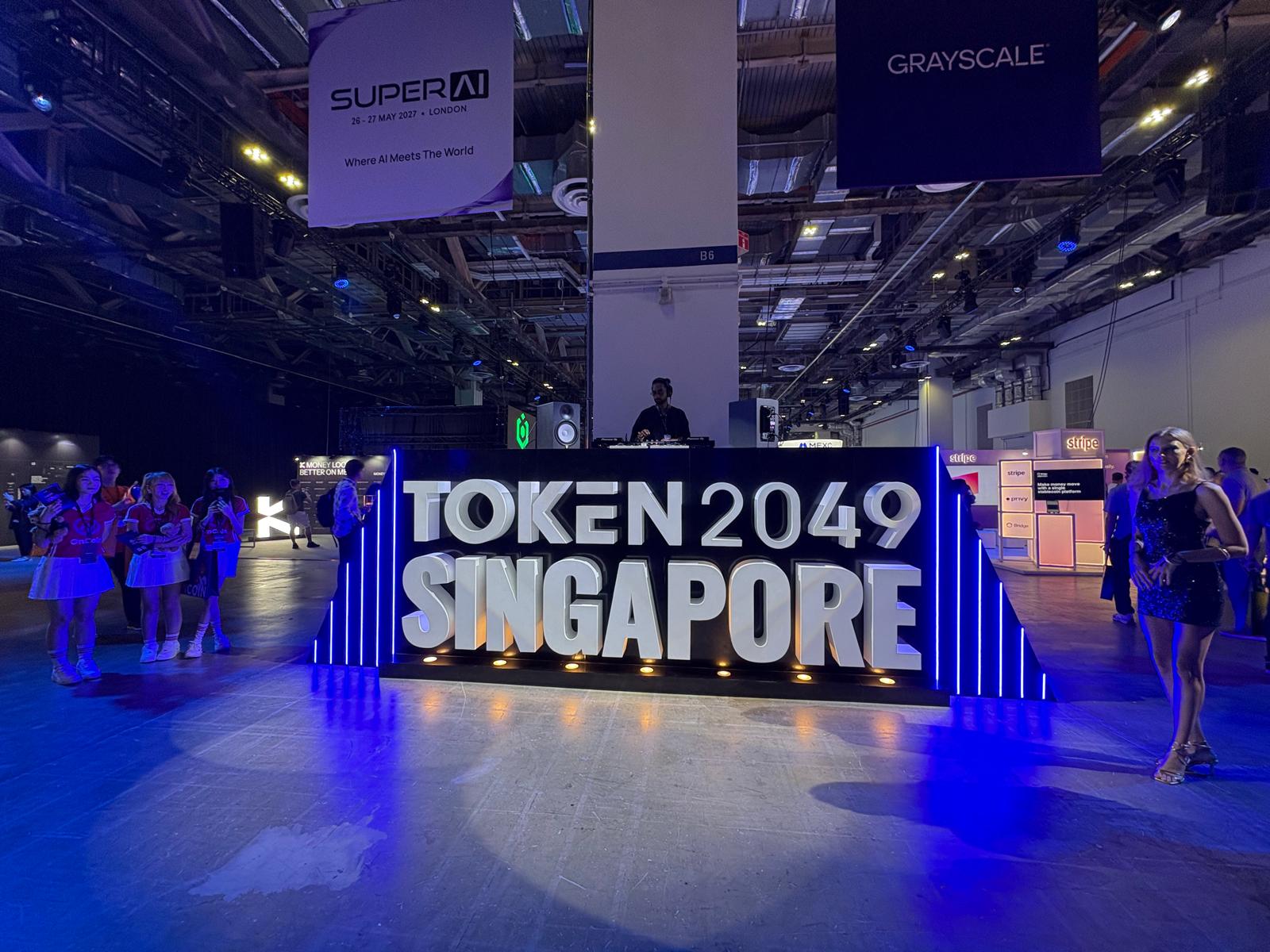
A bright yellow Ferrari, humanoid robots, arcade games and visitors walking around with bags of freebies. This might sound like a technology exhibition or entertainment convention, but I was actually at TOKEN2049 Singapore 2026, a major cryptocurrency industry event held at Marina Bay Sands on 7 and 8 October.
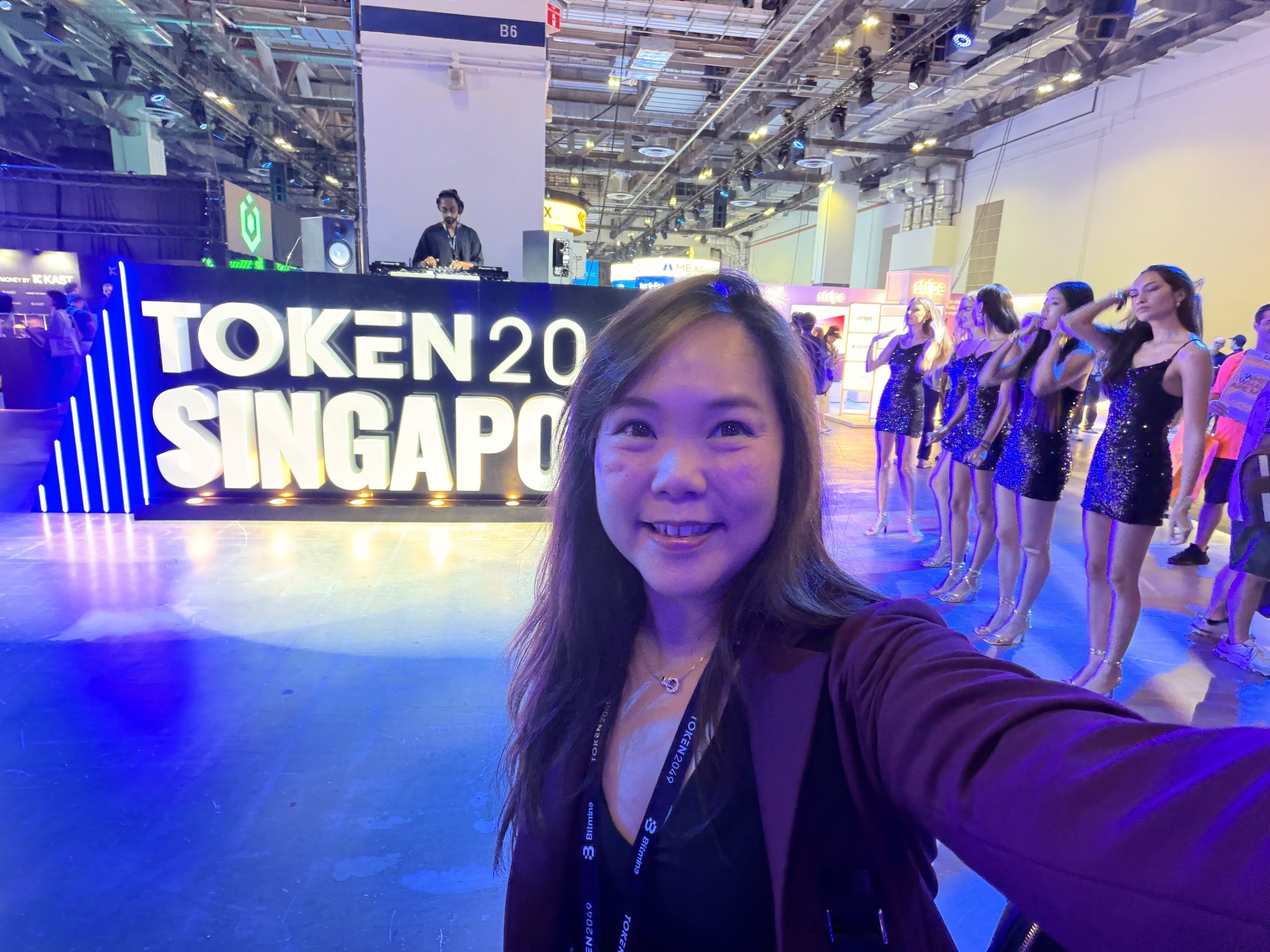
As someone who has always been curious about decentralised finance (DeFi), I wanted to understand the businesses behind it. Who develops these financial products, how do they make money, and why would people trust them with their money?
Walking Into A Crypto World
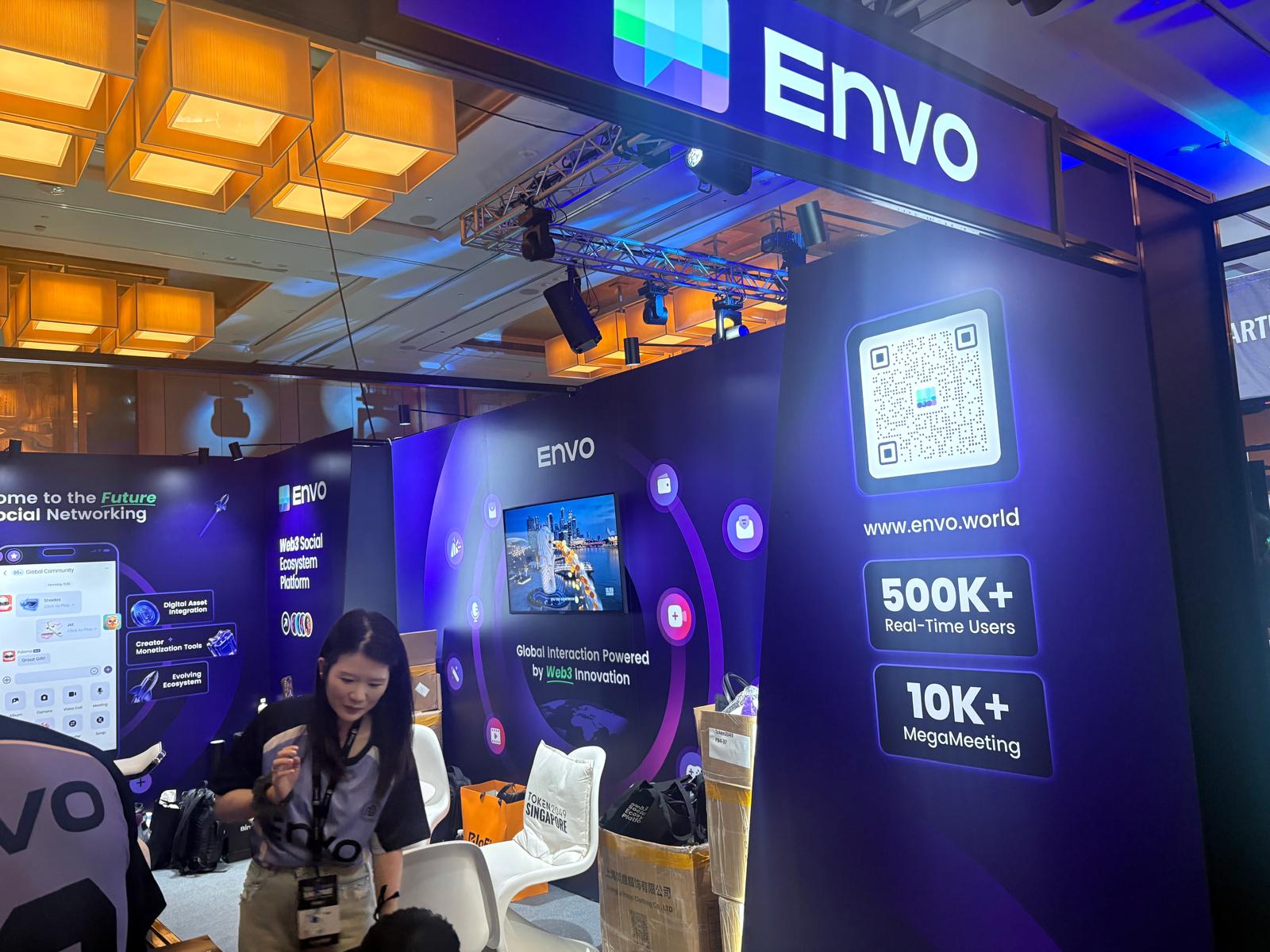
One of the first things that struck me was the number of cryptocurrency companies exhibiting at TOKEN2049.
There were booths from exchanges such as BingX, BTSE and Hotcoin, alongside blockchain networks like TRON and other businesses offering digital asset services. Some featured elaborate displays and large digital screens, while others focused on introducing visitors to their products.
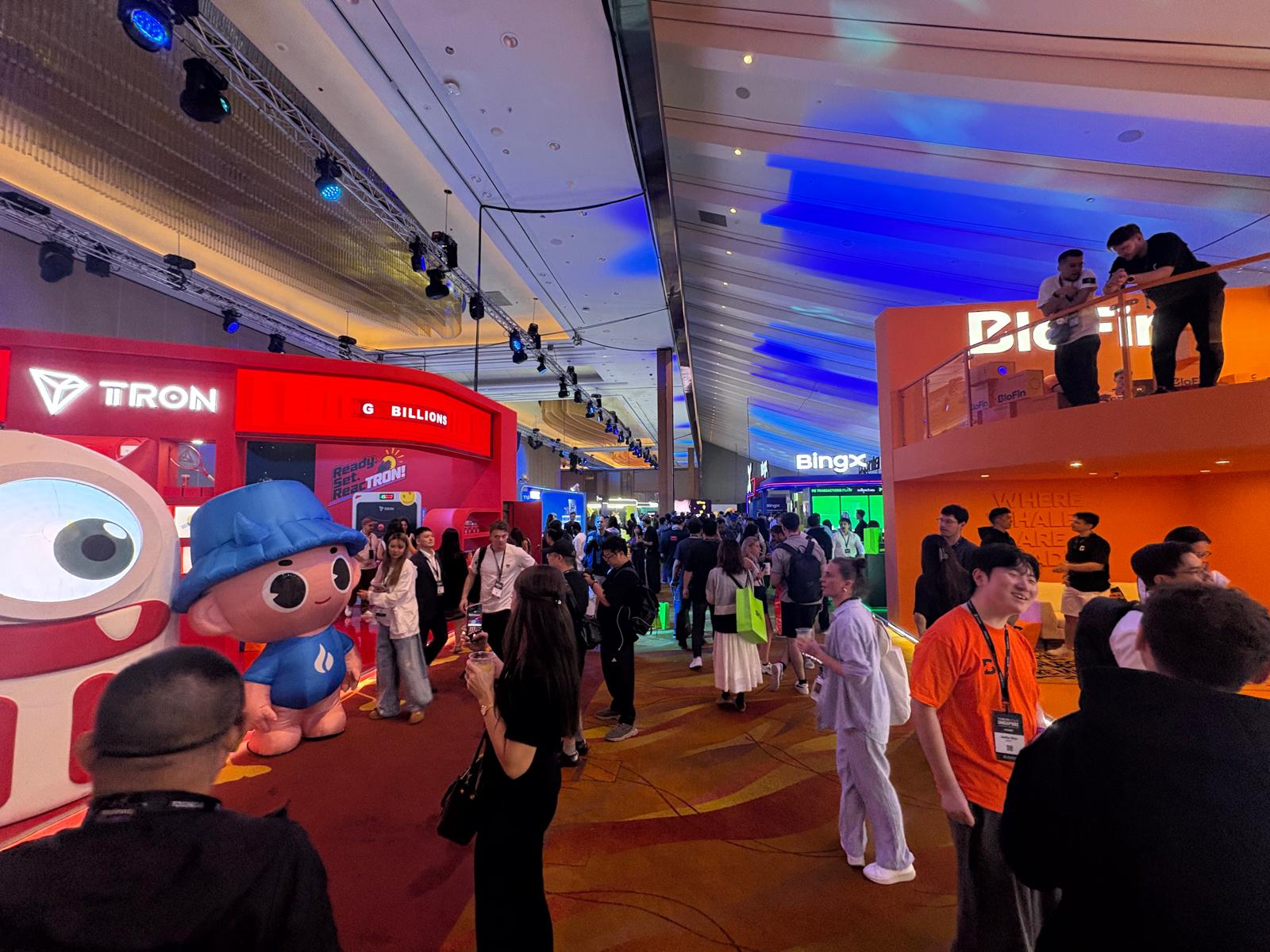
For someone who isn’t involved in cryptocurrency trading, it wasn’t obvious to me what made one company different from another.
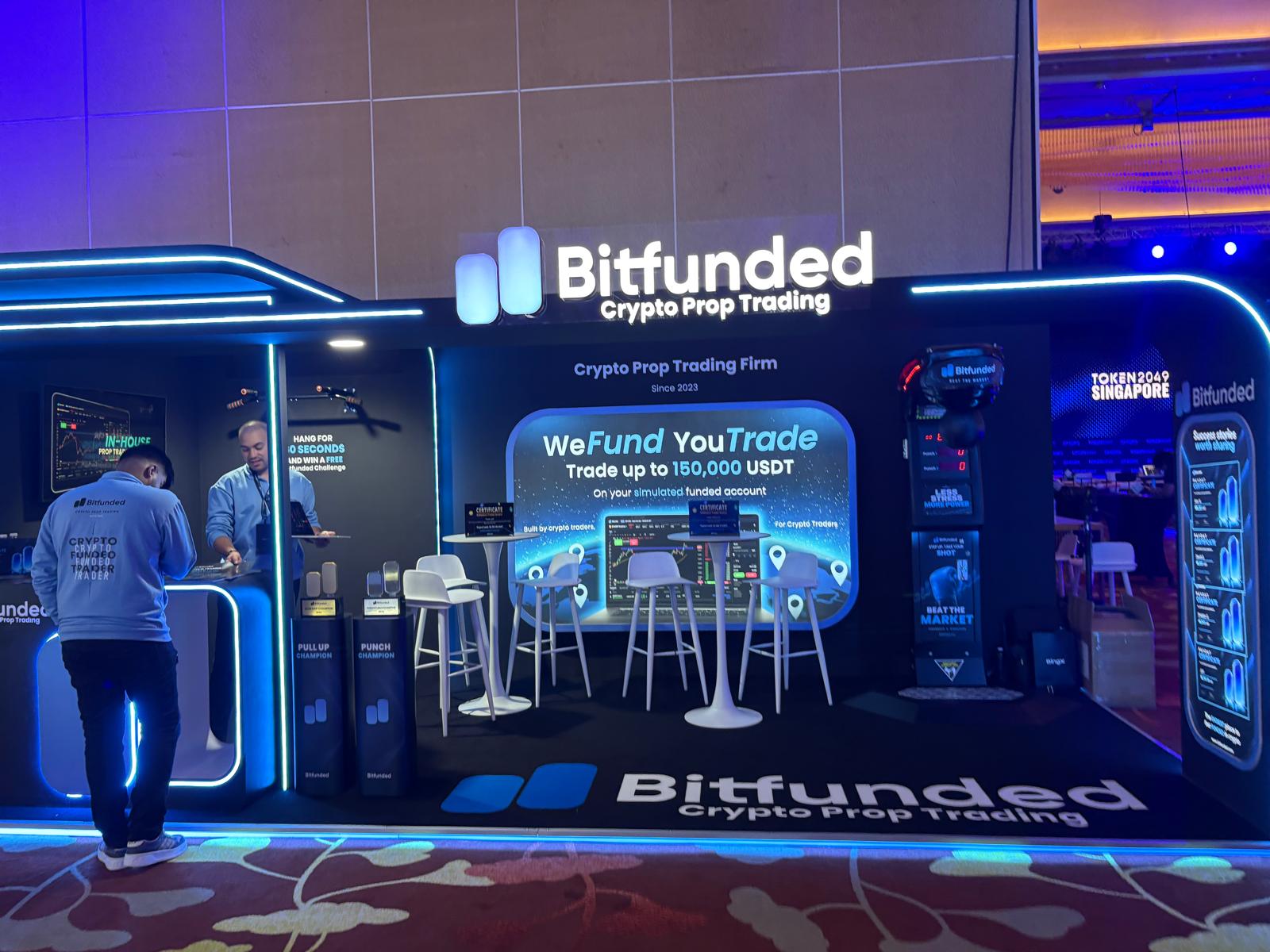
Many appeared to offer variations of familiar financial activities, such as trading, exchanging currencies and managing digital assets. ChangeNOW, for example, promoted itself as a cryptocurrency super-app, while Bitfunded advertised crypto proprietary trading through simulated funded accounts, with a display highlighting the opportunity to trade up to 150,000 USDT.
There Were Robots, Arcade Games And Even A Ferrari
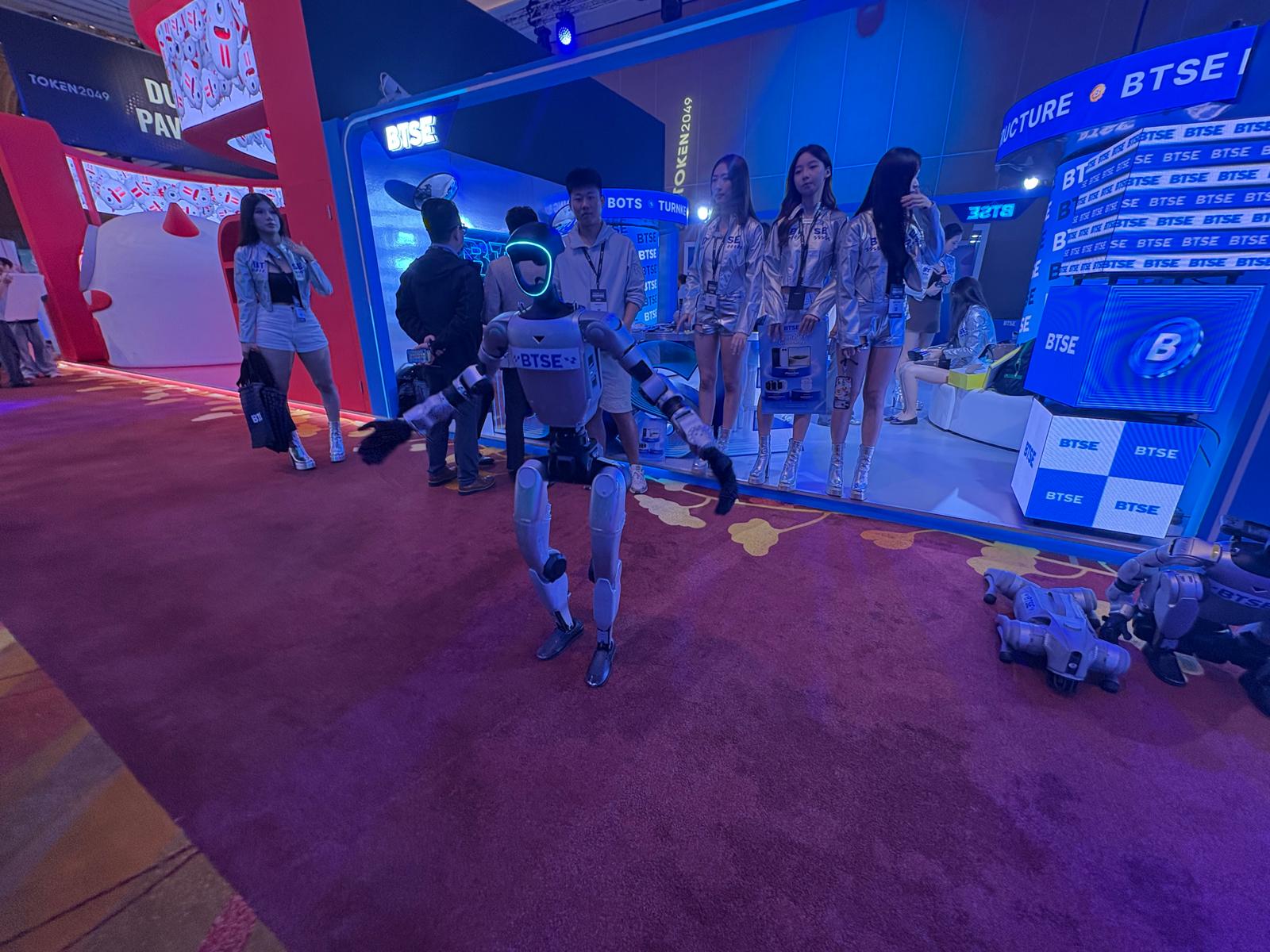
One of the more unusual sights was a humanoid robot at the BTSE booth, surrounded by staff and visitors. It certainly made for a more interesting sight than another screen displaying cryptocurrency charts.
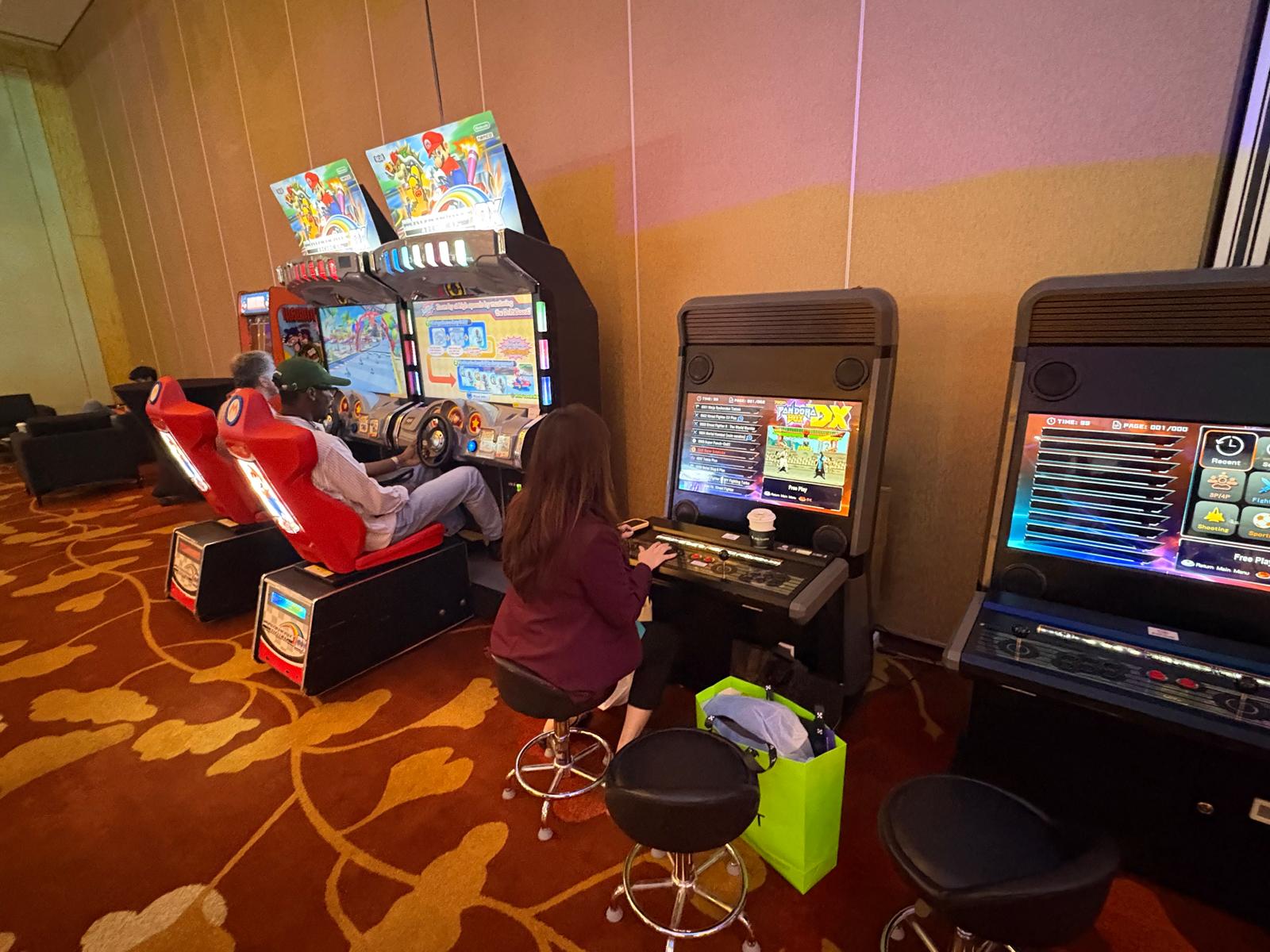
There were also various games and activities around the exhibition. Visitors could play arcade machines, including racing games, while Ledger, a company known for its cryptocurrency hardware wallets, had a basketball-themed setup featuring San Antonio Spurs imagery.

Although the connection between basketball and securing digital assets isn’t exactly clear, these activities provided a way to really allow the brand to stand out from the usual product displays.
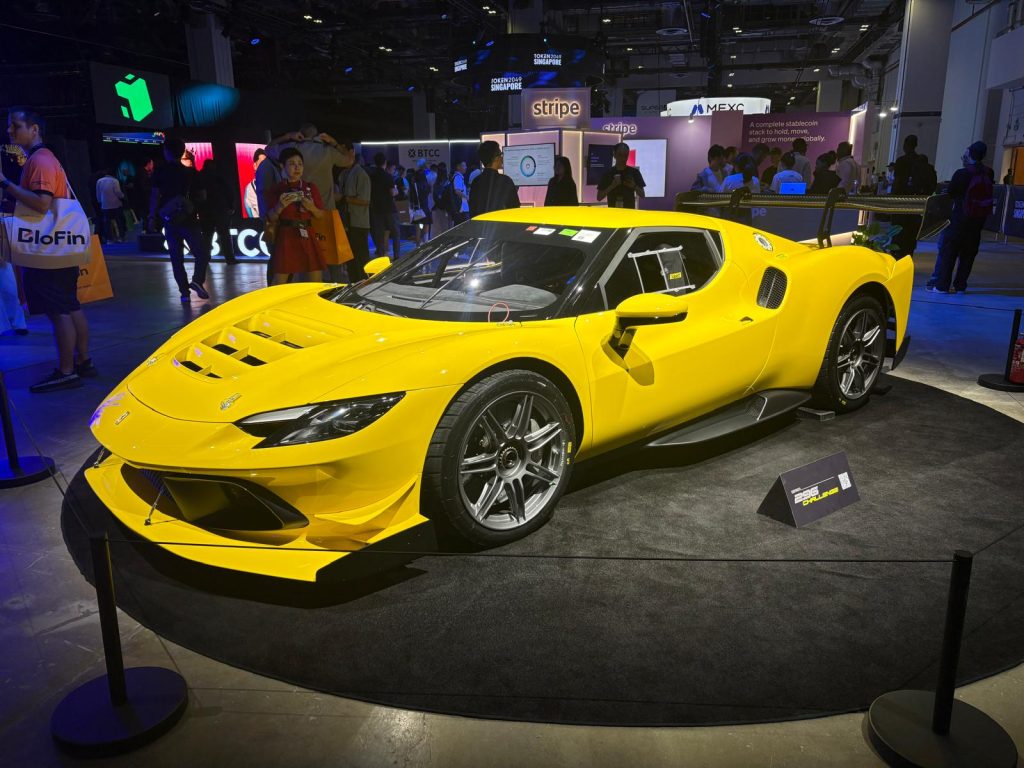
Perhaps the most eye-catching exhibit was a bright yellow Ferrari race car sitting in the exhibition hall. It wasn’t exactly what I had imagined seeing at an event about the future of money, but TOKEN2049 wasn’t just about demonstrating financial technology. For companies competing for attention, it was also an opportunity to build brand awareness, and a robot, basketball game or Ferrari could certainly help them stand out.
There Was No Shortage Of Branded Merchandise
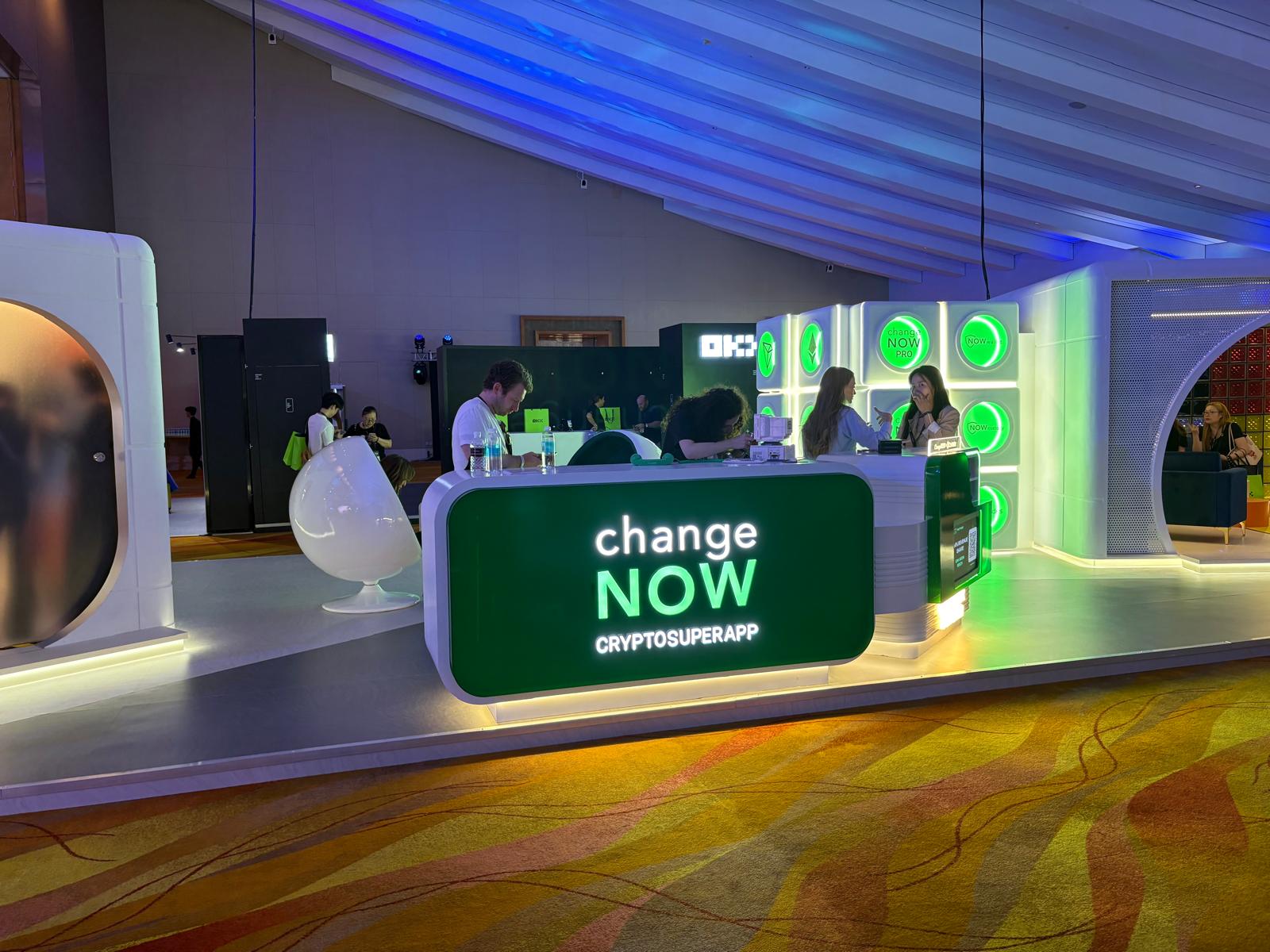
Another thing I noticed was the amount of branded merchandise around the exhibition. Attendees were carrying brightly coloured bags from companies such as OKX Wallet and TRON, with some visitors carrying several bags at once.
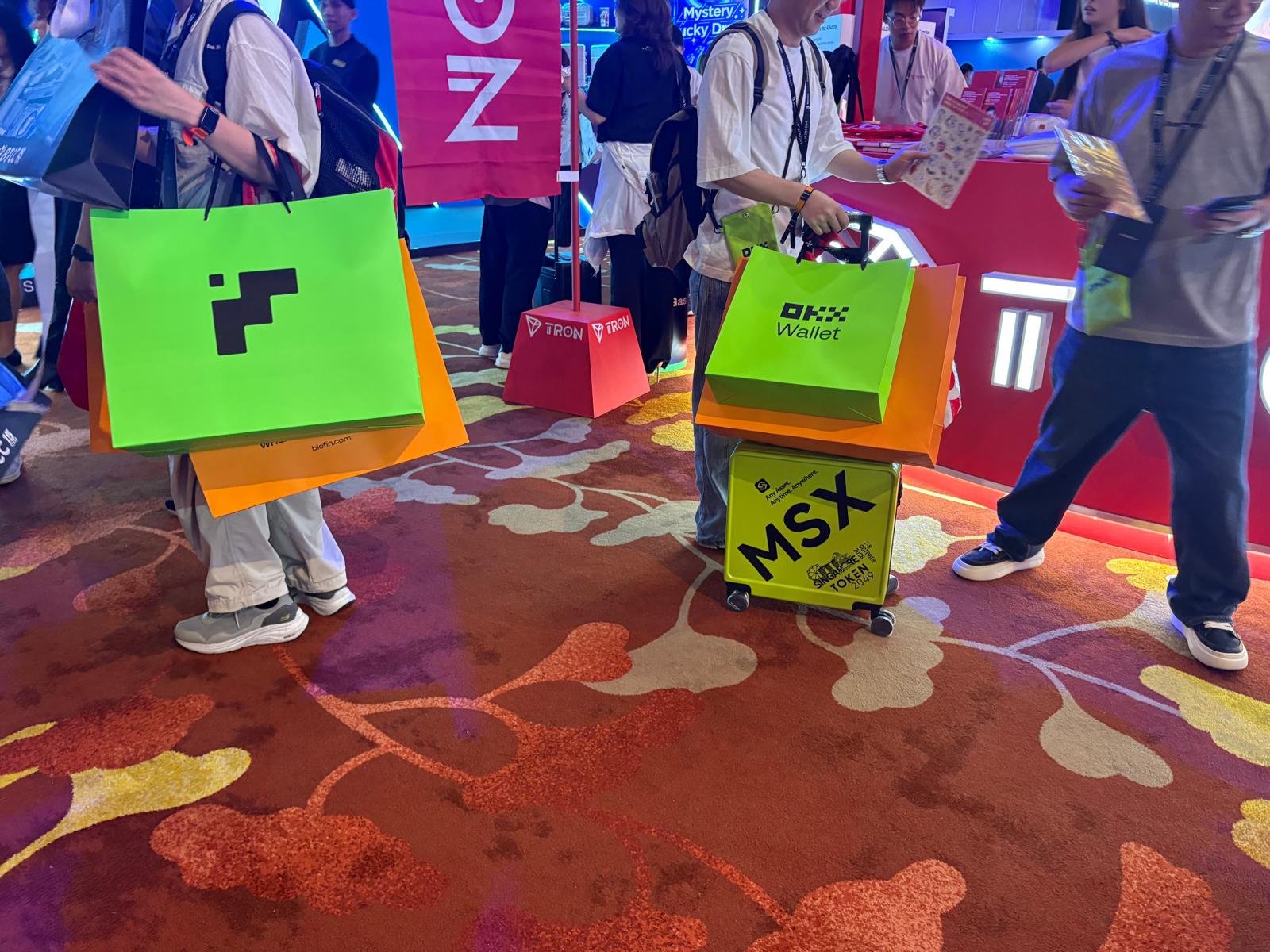
There were also mascots and promotional displays encouraging people to stop at different booths, giving parts of TOKEN2049 the atmosphere of a consumer technology exhibition rather than a conventional finance conference.
Was TOKEN2049 Different From Last Year?
Having attended TOKEN2049 last year, I couldn’t help comparing this year’s exhibition with my earlier visit. The exhibition floor felt less crowded than I remembered, although this was simply my personal impression rather than a comparison of official attendance figures.
While there were interesting attractions, I didn’t encounter a product that completely changed my understanding of financial services. That doesn’t necessarily mean the industry hasn’t progressed, since many improvements in financial technology happen behind the scenes through faster transactions, stronger security and more efficient payment systems.
Much like traditional finance, the industry may increasingly be focused on improving existing services rather than inventing entirely new ones.
So, Is This Really The Future Of Money?
After exploring TOKEN2049, my biggest takeaway was that decentralised finance is still finance, just done differently. Whether through banks or blockchain technology, people still want to trade, invest, transfer money and keep their assets safe.
For Singaporeans already accustomed to the convenience of PayNow, mobile banking and online investment platforms, the question is whether DeFi can offer something better. While the technology has potential, it also comes with new risks and complexities that users need to understand.
I came to TOKEN2049 hoping for a glimpse into the future of money. Instead, I found plenty of familiar financial ideas wrapped in futuristic technology, flashy booths and entertaining activities.
Perhaps the future of money won’t look all that different after all. What matters is whether it works better.


