
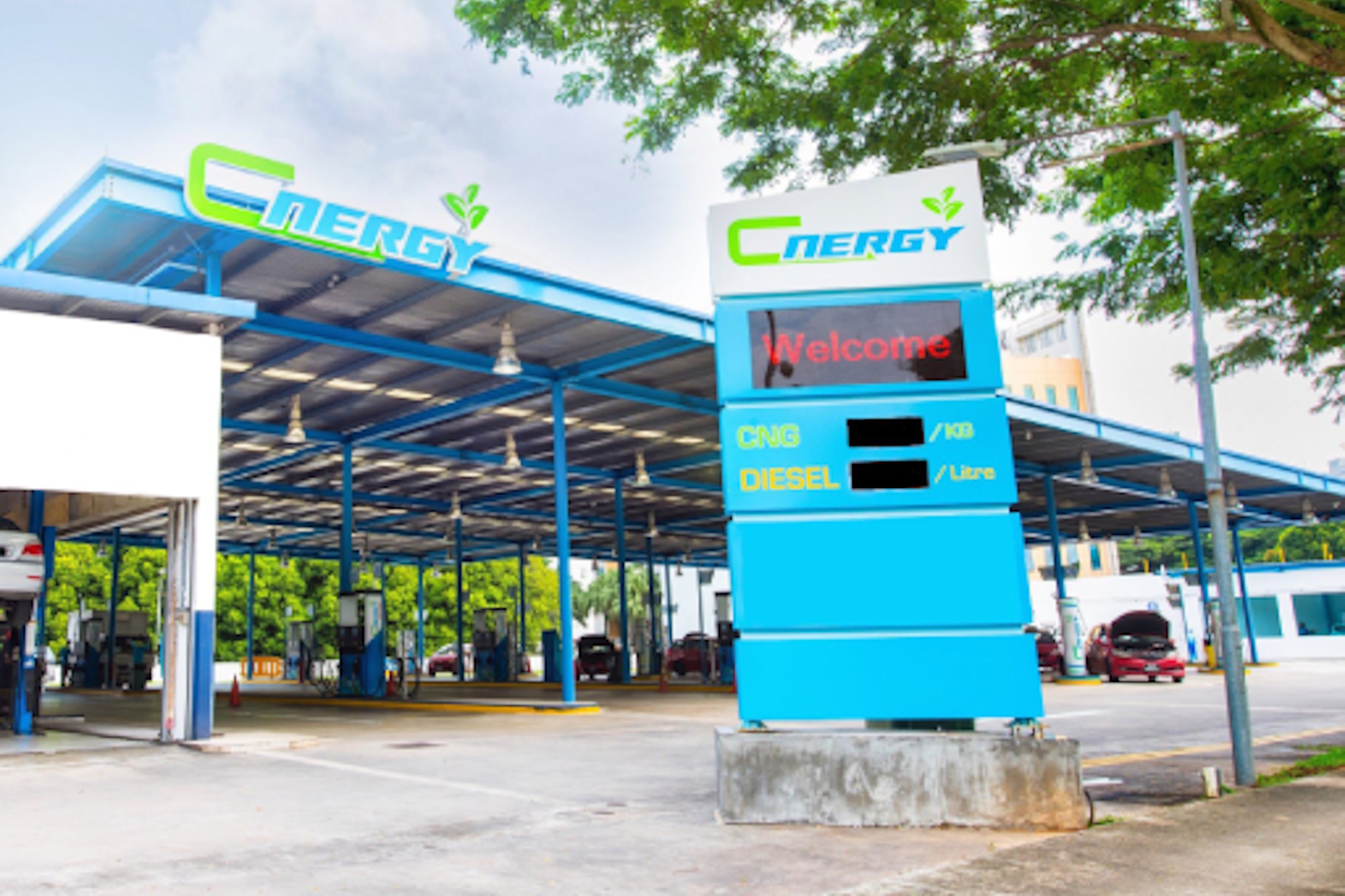
Since the start of March 2026, motorists across Singapore have been lining up at Cnergy petrol stations. This is because Cnergy’s petrol prices are up to a dollar cheaper per litre than those offered by competitors, when excluding discounts. This is happening against the backdrop of global oil shocks that have pushed pump prices above S$3 per litre.
The move has not only captured the attention of drivers but also investors. Union Gas Holdings, Cnergy’s parent company, saw its shares surge about 30 percent in a single week, reaching a three-year high. So why is Cnergy able to keep prices low? This is due to a pricing tactic known as the loss leader strategy.
What Is The Loss Leader Strategy
The loss leader strategy is a classic marketing tactic, often utilised in retail. It involves pricing some products below cost to attract customers and hoping that they will purchase other goods or services that carry higher margins. Here in Singapore, IKEA uses its Swedish Restaurant, with its relatively affordable meals, to draw shoppers into their stores, knowing that once inside, customers are likely to fill their baskets with more profitable items.
When applied to petrol, the strategy takes on a different dimension. Fuel is not a discretionary purchase, but a recurring necessity for drivers and highly price sensitive. By offering petrol at a steep discount for members, Cnergy is betting that motorists will not only return regularly but also develop a sense of loyalty to the brand. Company CEO Teo Hark Piang has been candid about the pricing strategy, acknowledging to the media that “there are days we really go without profits.”
In his framing, the losses are not a failure but a form of marketing expenditure, a hyper-aggressive customer acquisition strategy to buy attention and loyalty in a crowded market.
Read Also: From Petrol To Food: 5 Everyday Costs In Singapore That Rise When Oil Prices Increase
Why Cnergy’s Move Resonates in Singapore
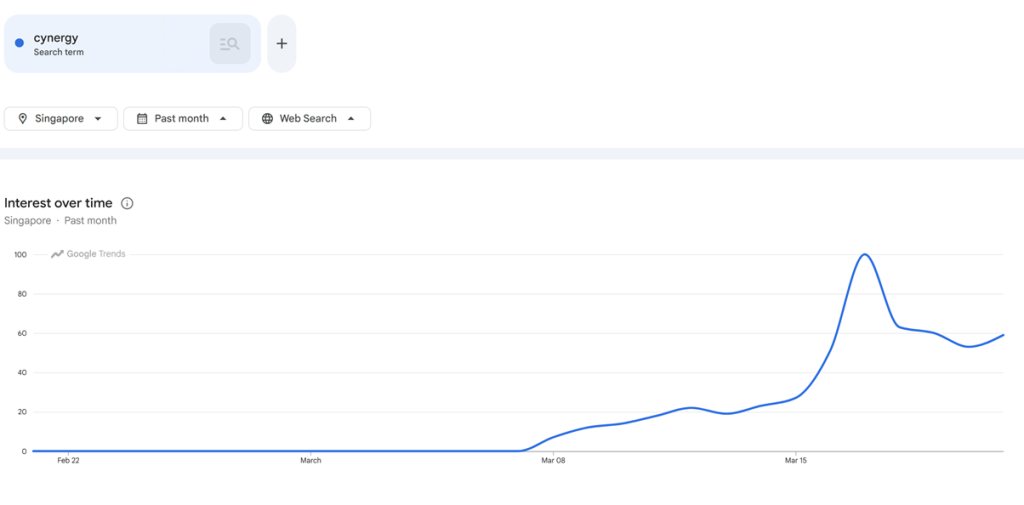
Price-sensitive drivers are willing to queue for hours to save on fuel, and the sight of long lines at Cnergy stations reinforces the perception that the company is offering unbeatable value. This creates a feedback loop: the more people queue, the more visible the brand becomes, and the stronger the narrative of affordability. Google Trends shows that search volume for the brand has picked up since March 8th and remains strong since.
For investors, the strategy has generated excitement. Union Gas’s stock rally demonstrates how bold moves can sway sentiment, even if the underlying financial fundamentals remain unchanged. In the short term, the optics of crowded stations and surging share prices suggest momentum. The longer-term question is whether this momentum can be sustained once the novelty wears off.
Risks and Trade-Offs
While the queues and headlines are impressive, the risks of the loss-leader strategy are significant. Prolonged losses could erode the company’s financial health, especially in a sector where margins are already thin. “So long as the business doesn’t lose money, we just let it go”, said CEO Teo.
Another challenge lies in consumer behaviour. Loyalty built on price alone can be fragile. Drivers who flock to Cnergy today could just as easily return to competitors tomorrow once discounts disappear. The question is whether Cnergy can convert opportunistic bargain-hunters into long-term customers who value the brand beyond its pricing.
Cnergy illustrates the pros and cons of the loss leader strategy for businesses that extend beyond the fuel industry. Used wisely, it can be a potent tool for customer acquisition, especially in markets where loyalty is hard to win. But it demands deep pockets and a clear long-term plan. Without these, the strategy risks becoming a costly stunt.
For Singapore’s market, the move could reshape expectations, at least temporarily. If Cnergy’s undercutting forces competitors to adjust their pricing, drivers may benefit from a more competitive petrol landscape. Whether this shift endures will depend on how long Cnergy can sustain its gamble and whether rivals choose to respond in kind.
Top Image: Cnergy


