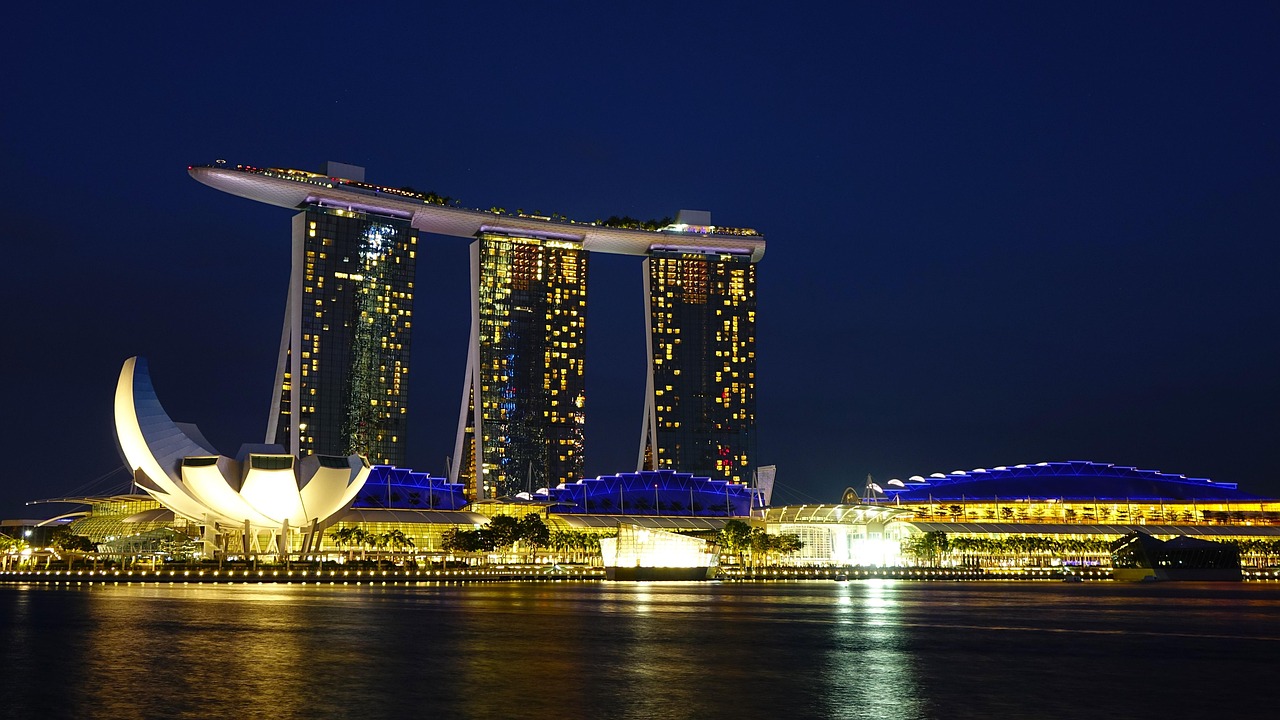
On paper, Singapore looks like one of the wealthiest places on earth.
With one of the highest GDPs per capita globally, it’s easy to assume most people here are doing exceptionally well.
But talk to enough Singaporeans earning what many would consider a “good salary”, and you’ll notice a common theme. Despite their income, many don’t actually feel rich. In fact, some worry they’re not saving enough to secure their financial future.
There’s even a term for this group: HENRYs, short for High Earners, Not Rich Yet. These are people who take home comfortable pay cheques, but between high living costs, lifestyle inflation, and family commitments, they still find themselves wondering where all the money goes.
Defining Singapore’s HENRY
The term “HENRY” was popularised abroad by US-centric publications like Investopedia and originally referred to individuals earning US$250,000 to US$500,000 a year.
Despite this strong earning power, many of them in this bracket had limited savings and little real wealth accumulation. Contextualised for Singapore, though, many studies suggest that even those earning S$100,000 or more per year can fall into this category.
In short, even though HENRYs make good money, their expenses often rise just as fast, from property loans and car instalments to family obligations and the quiet pressure to “keep up” with peers.
Why High Earners Still Don’t Feel Rich
In Singapore, home ownership remains deeply ingrained as a marker of success. But property prices, especially those of private property, have surged relentlessly.
A couple earning $20,000 a month may be viewed as “well-off,” yet servicing a hefty mortgage for an aspirational (but expensive) condo or landed home can consume a large chunk of monthly take-home pay, especially once you also factor in money for a car.
Meanwhile, higher incomes naturally come with higher expectations, such as regular overseas holidays, designer labels, private tutors and dining frequently at high-end restaurants.
While these aren’t exactly necessary, they nonetheless become the new baseline and “lifestyle inflation” kicks in. The upshot is that many HENRYs fall into the trap of spending the moment they upgrade their incomes, resulting in no additional savings or extra wealth-building capacity.
Many HENRYs in Singapore might see a rise in their monthly income, but that does not automatically translate into an accumulation of assets if costs/outgoings are just as high. These sizeable commitments mean many HENRYs can feel stretched even with high incomes.
Shifting The Mindset Of Singapore’s HENRYs
For HENRYs, the conversation needs to move beyond the bragging rights of a big pay cheque. What really matters is net worth, cash flow, and, perhaps most importantly, how your money is being used.
Earning $15,000 a month sounds impressive. But if $12,000 (80%) goes towards your mortgage, bills, groceries, and family expenses, that leaves just $3,000 (20%) for everything else, including savings and investments. That doesn’t leave much room to grow wealth, no matter how good the salary looks on paper.
A helpful way to reframe this is to look at spending as percentages, not just dollars. For example, the popular 50-30-20 rule suggests allocating 50% of income to needs, 30% to wants, and 20% to savings or investments. While this rule isn’t perfect for everyone (especially in high-cost cities like Singapore), it’s a good starting point for understanding where your money actually goes.
At the same time, being realistic with financial goals matters just as much. “Rich” doesn’t have to mean luxury holidays every quarter or owning multiple investment properties. It could simply mean being able to choose work that fulfils you, knowing your mortgage is under control, and having enough buffer for emergencies or opportunities.
By defining what financial freedom truly means to you, it becomes easier to tune out the noise, and the constant comparison with others. Building wealth isn’t about keeping up; it’s about clarity, consistency, and compromise.
And perhaps the most comforting reminder of all: if you sometimes feel like you’re “not rich yet,” you’re not alone. Many high earners feel the same. It’s not failure but a reflection of the financial realities of living in Singapore, where financial genuine success today requires more than just a high income.
Read Also: What Is The Household Income For Singapore Families? (Based On Flat Types, Household Members)
Advertiser Message
Thinking Of Switching Brokers Or Consolidating Your Holdings?
Tiger Brokers is currently running a transfer-in campaign where eligible clients can receive an iPhone 17 Pro Max* when they transfer in their assets.
For SGX investors, there is also a CDP Transfer promotion with 0* commissions on Singapore stocks.
Find out more here. *T&Cs apply.