
For many SME owners, LinkedIn is one of those things they know they should care about.
They may have a profile. They may even post once in a while when there is a company announcement, a hiring update, or a photo from an industry event. But ask them whether LinkedIn is actually helping them win clients, hire better people, raise money, or build credibility, and the answer is often less clear.
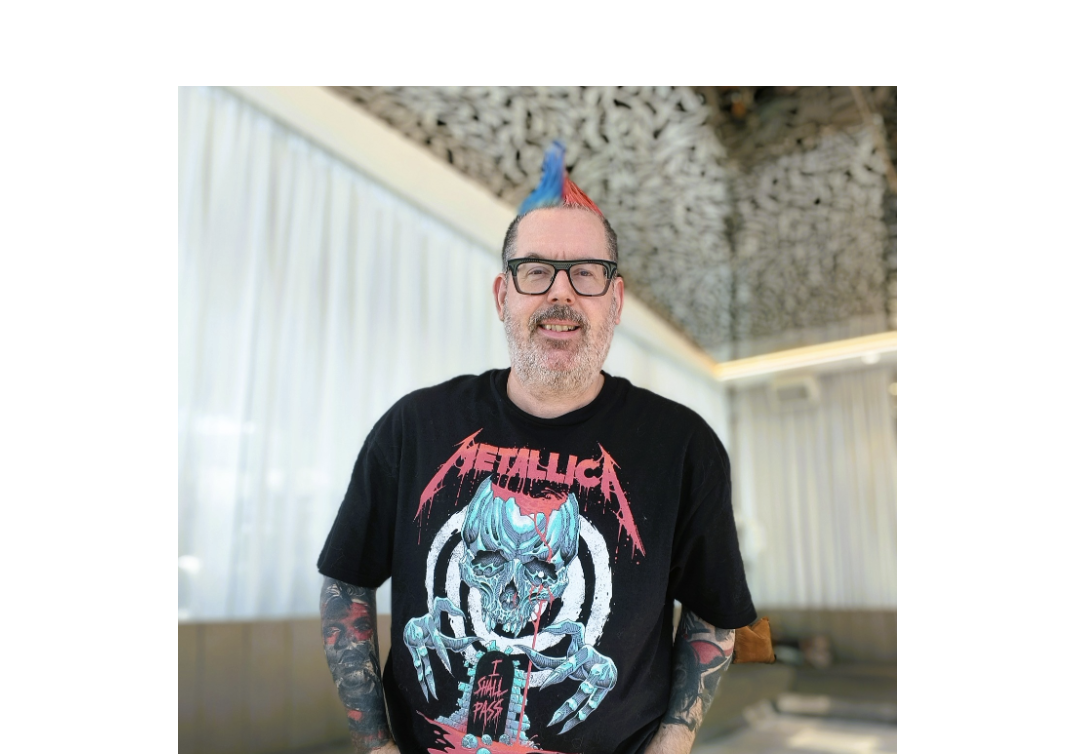
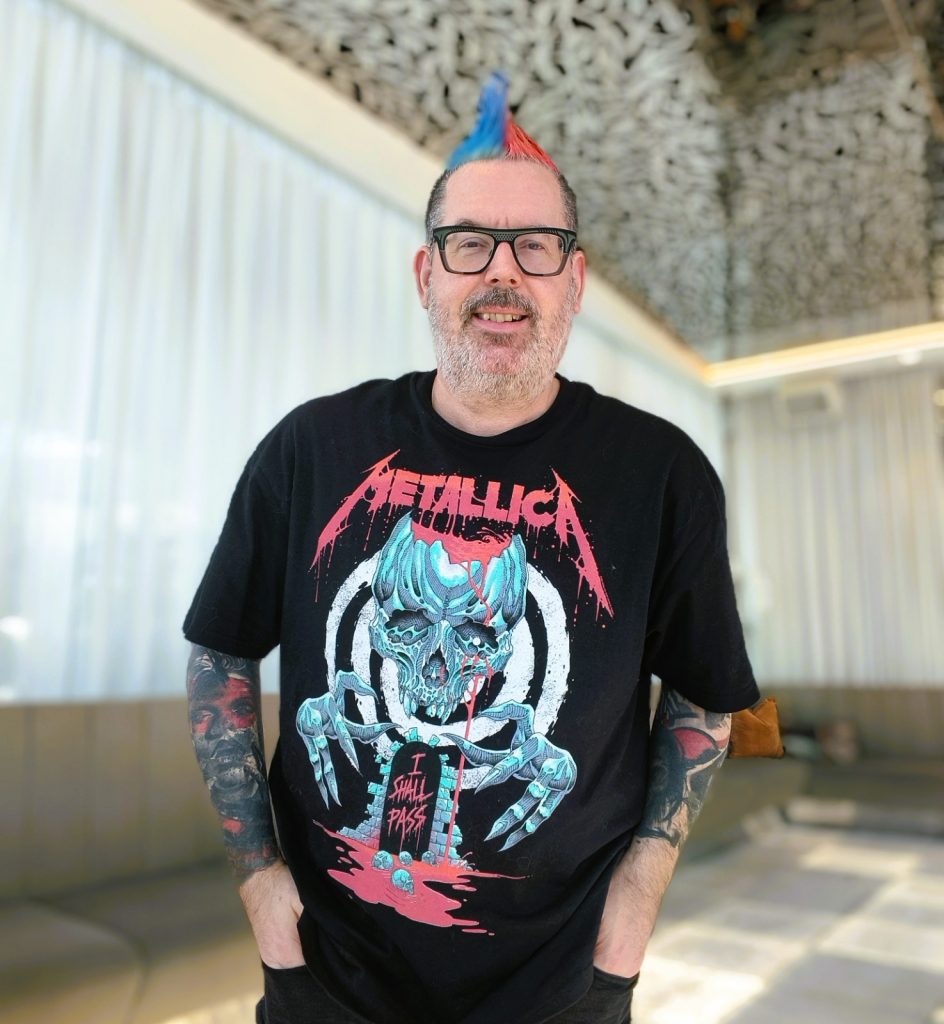
Chris J. “Mohawk” Reed thinks that is where many business owners go wrong.
“Most business owners don’t have the time, expertise, experience and ability to understand and implement a LinkedIn marketing strategy daily,” says Reed, Founder of Black Marketing.
That gap became the foundation for Black Marketing, a personal branding and LinkedIn marketing firm that works with entrepreneurs and executives to manage their LinkedIn presence. In Reed’s words, the firm helps them become “LinkedIn Rock Stars”, whether their goal is to win more clients, attract employees, find investors, or secure new job opportunities.
Put more simply, Black Marketing takes the LinkedIn work off the founder’s plate.
“We save founders time and money by doing everything for them on LinkedIn,” he says.
Why LinkedIn, And Only LinkedIn?
What makes Black Marketing unusual is not just that it focuses on personal branding. It is that it focuses almost entirely on LinkedIn.
While many digital agencies offer a spread of services across Facebook, Instagram, TikTok, X, and other platforms, Reed deliberately went the opposite way. He saw LinkedIn as a specialist platform that many generalist social media agencies did not really understand.
“I’ve never been on Facebook, X, TikTok, et cetera, and neither have any of our clients,” he says.
According to Reed, that matters because LinkedIn is not used in the same way as consumer social platforms. A funny TikTok video or viral Instagram Reel may win attention, but LinkedIn is where a founder’s professional reputation is often judged.
“No general social media agency ever understands LinkedIn marketing because they and their employees never use it themselves. They are generalists whereas we are specialists,” he says.
His view is straightforward: if you do not use a platform yourself, you probably should not be advising other people on how to succeed there.
“On the same basis, I don’t understand Facebook because I never use it, so I don’t offer that service to anyone,” he says.
The Biggest Mistake Founders Make On LinkedIn
Many business owners understand that LinkedIn matters, but still struggle to see results from it. Reed’s answer to why this happens is blunt.
“Everything,” he says, when asked what most founders misunderstand about the platform.
To him, the issue usually starts with the basics. The profile is incomplete. The founder is not posting original content. There is no content strategy. There is no social selling strategy. In many cases, the account exists, but it does not actively build trust or create business opportunities.
“If you don’t have a complete profile, don’t have a content marketing strategy and don’t have a social selling strategy, then of course you won’t get results,” he says.
He does not see this as complicated, but he does see it as work. A business owner has to show up consistently, maintain a credible profile, create content that people actually want to engage with, and connect that activity to a wider business goal.
“There are no shortcuts to success here,” he says. “Hard work pays off.”
Posting More Is Not The Same As Building Trust
A common assumption among founders is that LinkedIn success comes from posting more frequently. Reed disagrees.
Posting helps, but only if it creates the right kind of response. In his view, too many founders treat LinkedIn like a publishing channel, pushing out company updates, sales messages, or safe corporate posts without giving people a reason to interact.
That is why he believes conversations matter more than broadcasting.
“Everyone knows that people buy people, not companies,” he says. “So why do so many LinkedIn profiles try and hard sell all the time without getting to know someone first?”
Black Marketing uses what Reed calls a 4-1-1 content marketing strategy. Four posts should be personal, built around the founder’s views, stories, or thoughts on topical local events. One post can be a softer industry-related post. One post can be a harder sell about the company.
The reason, he says, is that personal content tends to perform much better than corporate content.
“Thought-provoking personal stories and personal views outperform bland and safe company posts,” he says.
The logic is that people first engage with the person. They comment, reply, disagree, or ask questions. Only after that do they start looking at the founder’s profile, services, and company.
“The personal posts will get all the engagement, and then those people who engage will wonder what you do, check out your profile and smart links, then and only then can you sell to them,” he explains.
“The other way around does not work.”
Why Likes And Views May Not Mean Much
For business owners, it can be tempting to measure LinkedIn success by likes, views, or follower counts. These numbers are visible, easy to understand, and often make a post look successful.
Reed is not impressed by them.
“Likes and views are vanity metrics,” he says.
What matters more, in his view, are comments and conversations. A post that receives a large number of passive views but no meaningful replies may look good on the surface, but it does not necessarily build relationships. A smaller post that triggers discussion with the right people can be far more useful commercially.
“Comments and conversations are the only metric anyone should be focused on,” he says.
That is especially important for SME owners, who usually do not have the resources to compete with large companies on paid advertising or mass brand campaigns. For them, LinkedIn can be a practical business development channel, but only if it is used to build real relationships.
“Conversations enable people to get to know you. From there, they will ask what you do, and then you can sell to them,” says Reed.
Why Founders Have An Advantage Over Corporate Executives
Black Marketing works mainly with founders, entrepreneurs, and SME owners. Reed believes this group has a natural advantage on LinkedIn because they have more freedom to speak in their own voice.
Corporate executives, especially those in large companies, are often tied to brand guidelines, internal approvals, and cautious corporate communications. That can make their LinkedIn activity feel safe but uninteresting.
“Corporates are tied to the brand values and boring corporate comms announcements of MNCs and large multinational enterprises, and are often restricted or frightened to actually post anything remotely interesting,” he says.
Founders, by contrast, own the company. They can express opinions, share personal stories, comment on local issues, and take positions that feel more human.
“That freedom allows for a higher quality level of content and more personal and thought-provoking views,” says Reed.
This does not mean every founder needs to be controversial. But it does mean they need to sound like a person rather than a press release.
Fixing The LinkedIn Profile First
Before talking about content, Reed usually starts with the profile itself.
For a business owner who has neglected LinkedIn for years, this can include basic but important fixes: a proper banner, a clear headline, a recent colour photograph, an updated services section, a featured section filled with original content, and a profile that explains clearly what the person does.
The profile should also make it easy for visitors to take the next step. Reed points to features such as LinkedIn’s custom button, Smart Links, newsletters, recommendations, and Sales Navigator as tools that can support a wider strategy when used properly.
Only after these basics are in place does outreach make sense.
“Then and only then should you be using Sales Navigator Advanced to send a non-automated personalised message to your ideal customer profile,” he says.
For Reed, this sequence matters. If someone views your profile after seeing your content, the profile needs to confirm that you are credible. Otherwise, the opportunity is wasted.
Why Reed Is Against AI-Generated LinkedIn Content
At a time when many people are using AI tools to write LinkedIn posts, Reed takes a firm stance against it.
“Founders and in fact everyone on LinkedIn should be authentic, and that means not using AI,” he says.
That does not mean every founder must personally write every word. Reed’s own business is built on outsourcing LinkedIn work to professional writers. The difference, he argues, is that the content should still come from the founder’s views, voice, and experience.
“It will be your words and your content written authentically,” he says.
Black Marketing, he says, does not use AI to write client content. His concern is that AI-generated posts often sound generic, over-polished, or disconnected from the person they are meant to represent.
For a founder, that can be damaging. Personal branding only works if people believe there is a real person behind the profile.
“People buy people on LinkedIn,” says Reed.
LinkedIn Is No Longer Optional
Beyond winning clients, Reed says LinkedIn can help founders with hiring, employer branding, fundraising, and even preparing a business for sale.
He believes no other platform gives business owners the same ability to see who someone is professionally, understand what they do, and start a relevant conversation.
“LinkedIn itself has allowed me to do this. Find clients everywhere globally,” he says.
For SME owners who still see LinkedIn as optional, Reed’s warning is simple. When someone searches for you online, your LinkedIn profile is often one of the first things they see. That means it becomes part of your first impression, whether you have invested in it or not.
“When someone Googles you, and they will, the first thing that comes up, nine times out of ten, is their LinkedIn profile because Google trusts LinkedIn,” says Reed.
The question, then, is not whether a founder has a personal brand. They already do. The question is whether that brand is helping or hurting them.
“That person views your LinkedIn profile and gets a first impression of your personal brand,” he says. “Is that a negative or a positive one? That’s down to you.”
This article was shared to us by Alpha Story


