Most personal finance advice assumes one thing: that your salary arrives every month, around the same date, and in roughly the same amount. Budgeting frameworks, emergency fund guidelines and retirement planning strategies are often built around the idea of a predictable pay cheque.
But that is not how income works for everyone.
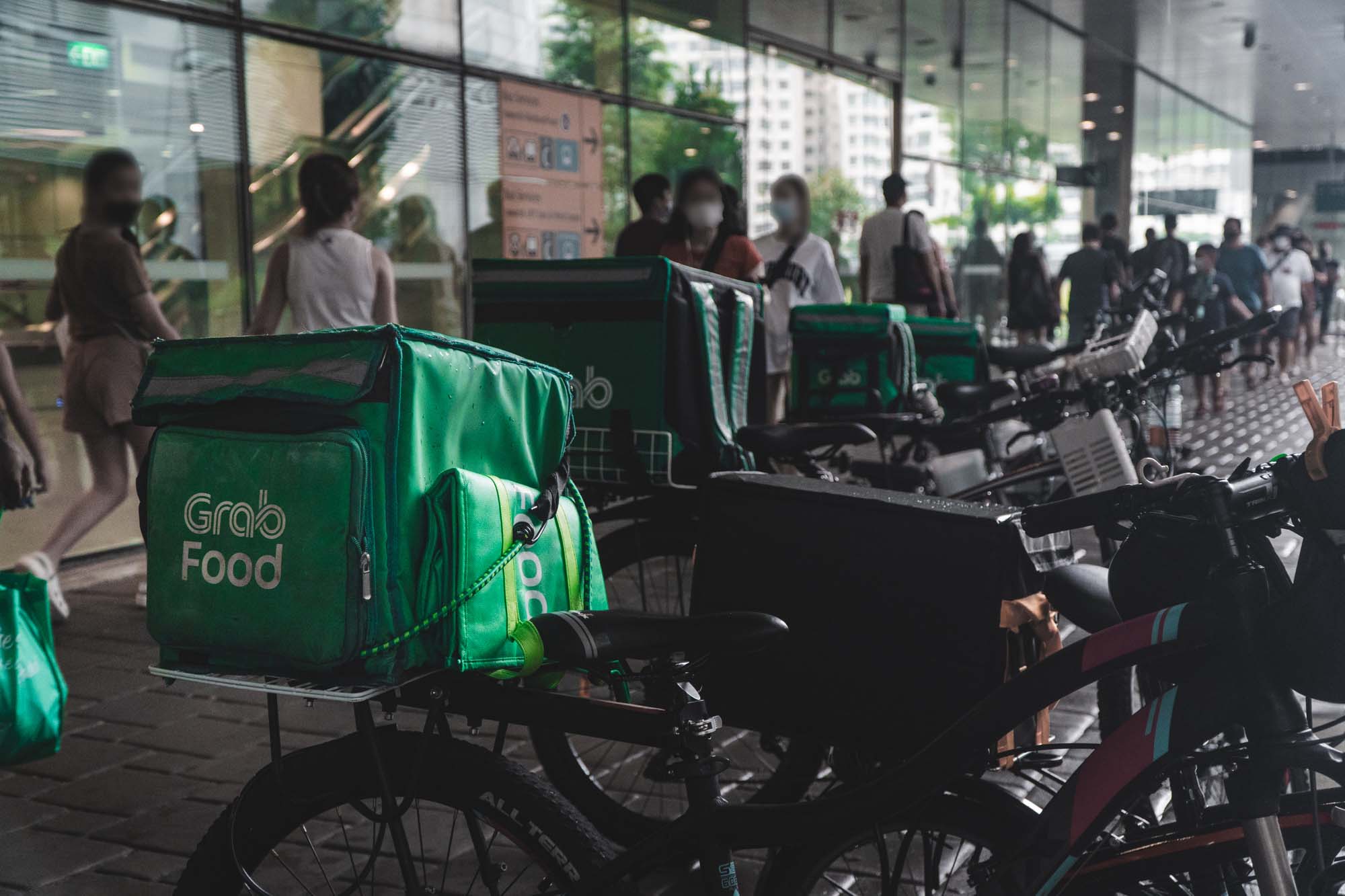
Freelancers, self-employed persons, platform workers and commission-based employees are a group of workers who experience fluctuating income. Some months may see them draw a higher pay, while the amount is lower in other months.
That does not make these work arrangements worse than traditional employment. In fact, many people choose them because they offer greater flexibility, autonomy and potentially higher earning opportunities.
The trade-off is that when income becomes less predictable, financial planning needs to become even more intentional.
#1 Build A Bigger Emergency Fund Than Salaried Employees
A common rule of thumb is to keep three to six months of expenses in an emergency fund. For workers with irregular income, that may not be enough. If your earnings depend on project work, commissions, client demand or platform activity, consider aiming for six to twelve months of essential expenses instead.
For example, if your monthly necessities total $3,500, a six-month emergency fund would be about $21,000. A twelve-month emergency fund would be $42,000.
This larger buffer is not only for situations where you lose work entirely. It can also help you manage slow business periods, late client payments, cancelled projects or even medical issues such as an illness that temporarily prevents you from working.
For salaried employees, income disruption may be relatively uncommon, aside from an unfortunate retrenchment. However, for freelancers and self-employed individuals, income volatility is often a normal part of working life.
A larger emergency fund provides the flexibility to navigate these periods without relying on debt or making rushed financial decisions. Thus, keeping a larger emergency fund can provide a financial cushion.
#2 Pay Yourself A Salary Even If Clients Pay You Irregularly
One of the biggest mistakes people make when income fluctuates is adjusting their spending to match whatever came in that month. A better approach, in our opinion at least, is to separate what you earn from what you spend.
When payments arrive, allocate them into different buckets:
- Business operating expenses
- Taxes
- CPF contributions or retirement savings
- Insurance premiums
- Emergency fund savings
- Personal spending
You can then transfer a fixed amount into your personal account every month, effectively paying yourself a salary.
The goal here is income smoothing. A self-employed content creator who earns $12,000 one month and $2,000 the next may feel wealthy during the good month and stressed during the weaker month. However, if they maintain a fixed monthly draw of $5,000 and retain the excess in a buffer account, their lifestyle remains stable even when income is not.
#3 Build A Cash Flow Buffer For Delayed Payments
Unlike salaried employees, many freelancers and self-employed persons are paid only after completing work. Depending on the industry, payment terms may range from 30 to 90 days after an invoice is submitted.
This means you can be profitable on paper while still experiencing temporary cash flow shortages.
To manage this, consider maintaining a separate operating account with enough cash to cover at least one to three months of business expenses. This can help you cover regular expenses such as software subscriptions, marketing costs, equipment, and other business commitments while waiting for client payments.
#4 Don’t Forget CPF
For employees, CPF contributions happen automatically every month. For self-employed persons, things work differently. While MediSave contributions may be compulsory, contributions to your Ordinary Account and Special Account generally do not happen automatically unless you choose to make voluntary contributions.
This matters because CPF is not only a retirement savings scheme. They can also be used for housing purchases and healthcare financing.
It is also important to note that younger platform workers are subject to the new platform worker CPF framework, which requires CPF contributions from both platform operators and workers. However, many self-employed individuals outside this framework will still need to take personal responsibility for building their CPF balances.
#5 Insurance Matters More When You Don’t Have Employer Benefits
Many full-time employees enjoy some level of employer-provided medical benefits. Freelancers and self-employed workers often need to arrange their own protection. This becomes especially important because a medical issue can create a double financial impact.
First, you may face healthcare expenses. Second, you may lose income if you are unable to work.
Areas worth reviewing include:
- Hospitalisation insurance
- Critical illness coverage
- Disability income insurance
- Personal accident insurance
- Business liability insurance, where relevant
The appropriate level of coverage will differ based on your occupation and circumstances. However, when there is no employer safety net, protecting your ability to earn an income becomes even more important.
#6 Borrowing May Be Harder, So Plan Ahead Before Applying For A Home Loan
Many freelancers only discover this when they begin shopping for a property. Banks and HDB often assess self-employed or variable-income earners differently from fixed-salary earners.
A strong income year does not automatically translate into a higher borrowing capacity. Lenders may want evidence that income is sustainable and consistent over time. This often means reviewing 1 to 2 years of income records, tax assessments, CPF contribution history, and other supporting documents.
For self-employed workers, income consistency may matter as much as income level.
If you anticipate applying for a housing loan in the next few years, it may be worth:
- Keeping proper income records
- Filing taxes consistently
- Maintaining CPF contributions where possible
- Building stronger cash reserves
- Avoiding large, unexplained fluctuations in declared income
Preparing early can make future financing applications much smoother.
Having An Irregular Income Doesn’t Mean Having Unstable Finances
Freelance, contract and platform work can offer flexibility, independence and sometimes even greater earning potential than traditional employment. However, these arrangements also place more financial planning responsibility on the individual.
Salaried employees often have financial systems built into their employment arrangements through CPF contributions, employee benefits, payroll administration and predictable income.
On the other hand, freelancers and self-employed persons need to build those systems deliberately.
The good news is that financial stability does not require a fixed salary. It does, however, requires a financial plan that recognises how your income works, prepares for inevitable fluctuations and creates the safety nets that an employer would otherwise provide.
Those who do this successfully can enjoy the flexibility of irregular income without sacrificing their long-term financial security.
Read Also: How Much Will A Platform Worker Lose Out If They Choose Not To Contribute To Their CPF Accounts?
Photo Credit: DollarsAndSense/Moo Kar Ming
Advertiser Message
Thinking Of Switching Brokers Or Consolidating Your Holdings?
Tiger Brokers is currently running a transfer-in campaign where eligible clients can receive an iPhone 17 Pro Max* when they transfer in their assets.
For SGX investors, there is also a CDP Transfer promotion with 0* commissions on Singapore stocks.
Find out more here. *T&Cs apply.