
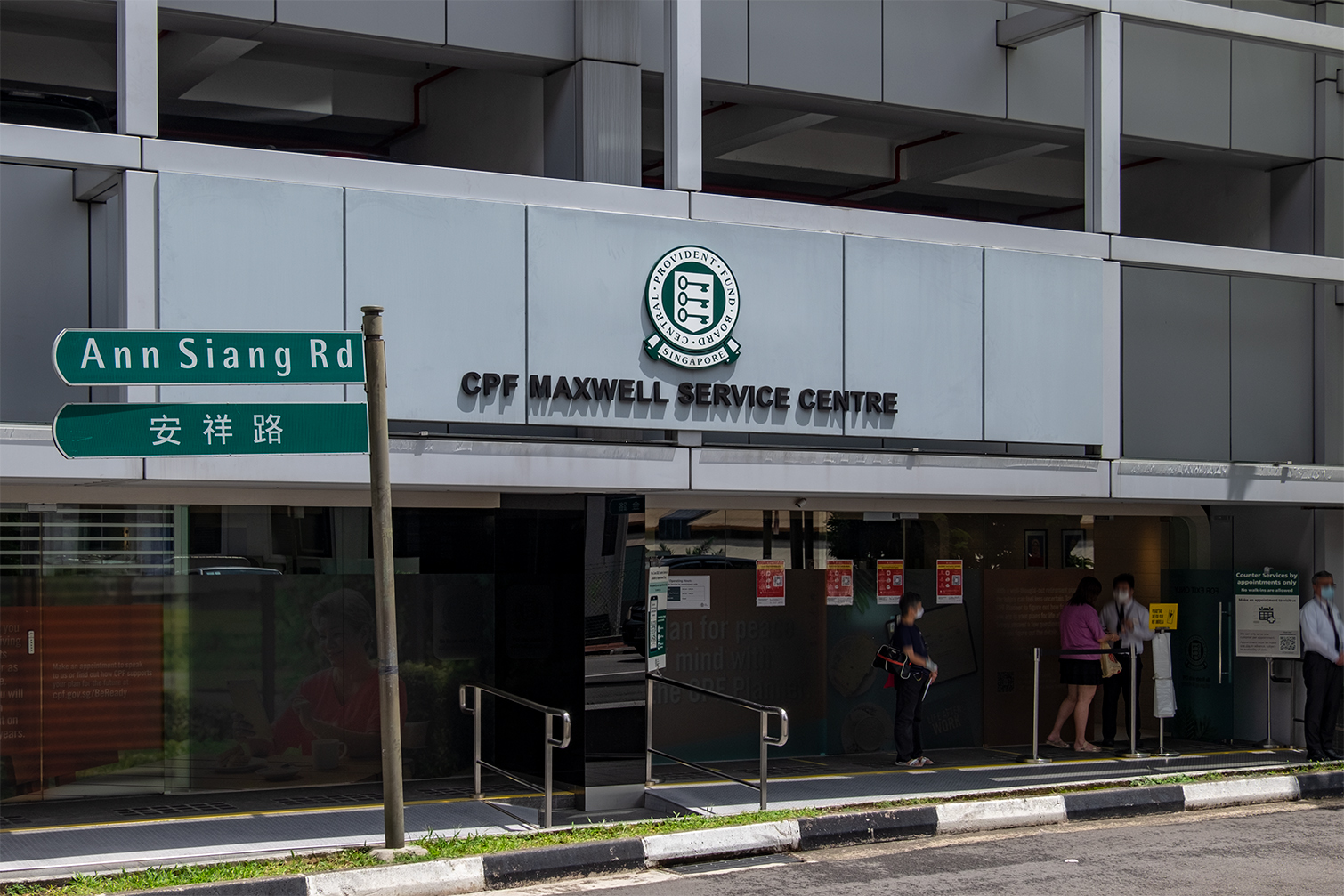
If you’ve ever wondered how well Singapore’s CPF stacks up against other countries’ pension systems, here’s your answer — and it might not be what the critics want to hear: it’s actually one of the best in the world, and the best in Asia.
In an era where people are living longer (and that’s undoubtedly true in Singapore) and governments are spending more, every country faces the same challenge. How do you ensure that people can retire comfortably without placing undue strain on current and future generations?
Singapore’s answer has been the Central Provident Fund (CPF), a mandatory savings system that builds discipline into how we save for housing, healthcare, and retirement. Over time, it’s become a model that many other countries look to for inspiration.
Best In Asia (Again)
According to the 2025 Mercer CFA Institute Global Pension Index, Singapore’s CPF remains Asia’s strongest pension system, scoring 80.8 points overall and earning an A grade.
That makes Singapore the only Asian country to have ever reached the “A” tier. Globally, we’re now in the same league as the Netherlands, Iceland, Denmark and Israel. In 2023 and 2024, CPF was graded as “B+”

Source: Mercer
The Mercer’s index looks at three main things:
Adequacy: Whether retirees have enough income
Sustainability: Whether the system can last for future generations
Integrity: How transparent and well-governed the system is
On all three fronts, Singapore performed well.
#1 Adequacy: Enough For A Secure Retirement
Singapore scored 79.4 for adequacy, well ahead of Hong Kong’s 66.6, Japan’s 57.1 and Malaysia’s 54.0.
In simple terms, adequacy measures whether retirees can maintain a decent lifestyle after they stop working. And this is where CPF continues to shine. Its strength lies in a few key features that make saving both disciplined and dependable.
First, the high mandatory contribution rates ensure that most workers are actually saving a meaningful amount for retirement, rather than relying on individuals to save and invest for their own retirement. The predictable, risk-free interest rates that keep CPF balances growing steadily, regardless of market swings.
Additionally, CPF’s integration with housing and healthcare means it’s not just about old-age savings. Instead, it supports Singaporeans through major life stages, from buying a home to paying for medical bills.
#2 Sustainability: Built To Last
When it comes to long-term viability, Singapore scored 75.5, up from 74.3 last year — another strong showing.
Unlike many Western or Asian systems that rely heavily on government payouts or investment returns, CPF is fully funded, meaning the money you get out comes directly from what you and your employer put in, along with the risk-free interest rate that you earn.
This approach ensures the system doesn’t depend on future taxpayers to fund today’s retirees — a big issue in countries like Japan and South Korea, where ageing populations are putting pressure on national budgets.
CPF’s gradual tweaks, such as higher contribution rates for older workers and extended interest rate floors, help keep the system financially sound in the long term.
#3 Integrity: Trust, Transparency, and Governance
Here’s where Singapore really shines.
With an integrity score of 90.4, CPF ranks among the top five pension systems globally for trust and governance. That’s up sharply from 83.0 last year.
In plain terms, this means Singapore’s system is well-run, transparent, and gives members confidence that their savings are safe and properly managed.
Mercer’s framework measures how clearly systems communicate with members, how well they’re regulated, and whether protections are in place to prevent misuse.
That’s why CPF scores far ahead of others —Japan (66.8), Korea (76.8), and Malaysia (77.5) all lag in this area.
How The Rest Of Asia Compares
Across the region, Singapore continues to perform well, although its approach differs from that of many of its neighbours. Hong Kong’s pension system earned a B grade with an overall score of 70.6, showing steady progress and stronger regulation in recent years. Malaysia followed with a C+ grade of 60.6, reflecting improvements in adequacy but ongoing concerns about how easily members can access their savings before retirement.
Further down the list, Japan and South Korea both landed in the low 50s, with C-grade rankings. Their systems face familiar challenges — ageing populations, slower reforms, and rising fiscal pressures that make maintaining pension promises more difficult.
Unlike many of these systems, which rely more heavily on market returns or voluntary employer contributions, Singapore’s CPF is a universal, compulsory savings scheme. This structure offers a measure of predictability and broad coverage that has helped it remain stable over time. While not without its trade-offs, CPF’s design continues to provide a degree of security that some of its regional counterparts are still striving to achieve.
CPF Is Not Perfect
Of course, no system is flawless. Mercer’s report suggests a few areas where CPF could still improve — for example, making it easier for companies to set up private retirement plans, or gradually increasing the withdrawal age for retirement savings.
Still, CPF’s combination of transparency, discipline, and long-term consistency is what makes it the gold standard in Asia.
For Singaporeans, that means one thing: while we may sometimes grumble about mandatory savings or CPF rules, it’s also what ensures that most of us can look forward to a financially stable retirement, something the citizens in other countries can only hope for.
Read Also: How Much You Will Get In CPF LIFE Monthly Payouts if You Save The BRS/FRS/ERS In 2025?
Photo Credit: DollarsAndSense/Raymond Quek


