
If you have been following the markets, you may know that the US stock market feels more top-heavy than ever. The top 10 stocks in the S&P 500 now make up almost 40% of the entire index. Eight of these 10 are tech or tech-related giants. For comparison, back in 2000 (during the dot-com bubble), the top 10 stocks made up only 24% of the index, with just two being in the tech sector.
Additionally, US companies are buying back shares at record levels, with expectations to reach US$1.1 trillion this year, surpassing the US$870 billion average of the past five years. Put simply, the big players have the cash, and they are using it to strengthen their market position.
That’s great if you are already riding the US tech wave. But after such substantial gains, many investors are asking: is it time to lock in profits and diversify?
Why Singapore Stocks Could Shine
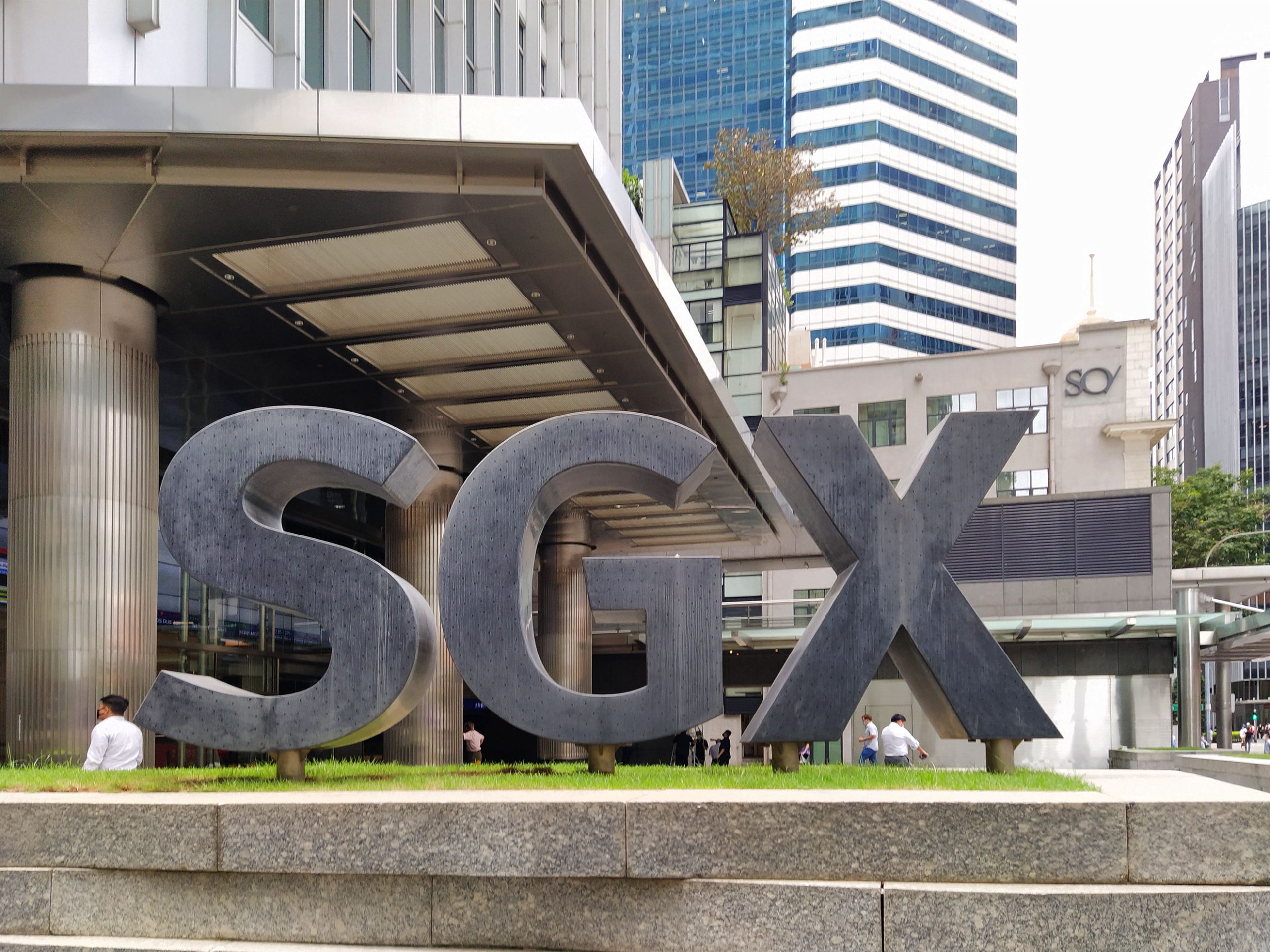
Here’s where Singapore comes in. The US Federal Reserve has begun cutting interest rates, which tends to benefit interest rate–sensitive sectors, such as banks and REITs. Interestingly, the Singapore market is dominated by exactly these sectors.
Lower borrowing costs could mean stronger loan growth for banks and more stable financing for REITs. Add Singapore’s policy stability, AAA sovereign rating, and a carefully managed Singapore dollar, and you got a market that often acts as a safe harbour when global markets get choppy.
And let’s not forget dividends. The Straits Times Index ETF (STI ETF) is currently yielding approximately 4.2%, which is higher than the MSCI China (~2.2%) and MSCI Hong Kong (~3.6%) indices. In times of uncertainty, that steady dividend stream feels like a cushion you can count on.
China’s AI Story: High Growth, Higher Risk
Meanwhile, China’s AI sector has been grabbing headlines. Demand is strong, state support is abundant, and investor enthusiasm is genuine. But the risk? History.
China’s regulators have a track record of intervening abruptly when industries become too powerful or stray from government objectives. Think back:
- The Ant Group IPO in 2020 was cancelled days before launch.
- Private tutoring firms were forced to go non-profit in 2021.
- Didi’s app was removed from stores after cybersecurity probes.
Now, with AI, the bet is that regulators will be more careful — moving from “whack-a-mole” to “tap-a-mole” regulation. Still, adding US export restrictions on AI chips, the risks remain significant.
So, Where Should Investors Look?
Each market tells a different story:
- US: Still powered by tech, but more concentrated than ever.
- China: Potentially huge upside from AI, but with unpredictable regulatory risks.
- Singapore: Steady income, defensive currency, and policy stability.
For investors chasing growth, China’s AI boom may look tempting — but the risks are real. For those prioritising stability, income, and diversification, Singapore stands out as a reliable hedge.
Read Also: Why MAS Is Paying For Research Reports To Promote Stocks In Singapore
Photo Credit: Raymond Quek/DollarsAndSense


Lifestyle
15 Of The Cheapest EV Cars In Singapore


Budgeting 101
7 Ways Being Frugal Is Different From Being Cheap


Street Smart
Singapore Gym Membership Price Guide (2026 Edition)


Street Smart
Singapore Gym Membership Price Guide (2026 Edition)

Bonds and Fixed Income
Complete Guide To Buying Singapore Savings Bonds (SSB) [2026 Edition]


