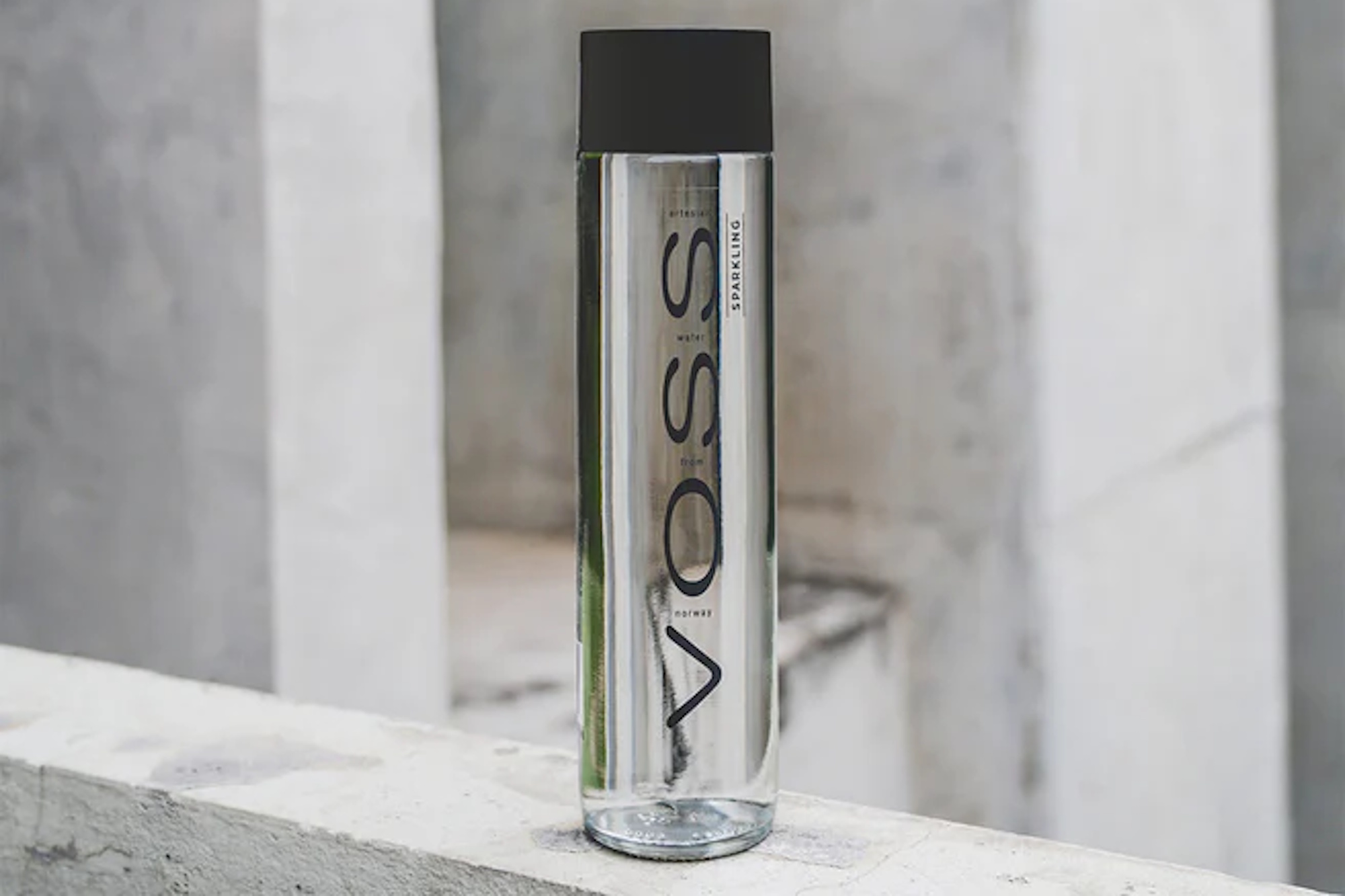
Bottled water is huge business, not only in Singapore but globally. While we are extremely fortunate to have very clean, safe tap water in Singapore, the appeal of bottled water in the city-state still holds. Walk into any hotel bar, upscale restaurant, or Cold Storage in Singapore, and you’ll easily be able to spot an array of bottled water options. One stands out for its sleek cylindrical bottle that sits nonchalantly among its competitors: the much-vaunted Voss water.
It looks incredibly fancy, and the price tag matches that image. A bottle of Voss water retails for anywhere from $4 to $10 – often more than most people would spend on a full meal at a hawker centre. So, what exactly are you paying for? And more importantly, is there any rational reason to buy it?
Where Does Voss Actually Come From?
Voss markets itself as artesian water sourced from an underground aquifer in Iveland, a small municipality in southern Norway. The brand leans heavily into this origin story: pristine Scandinavian wilderness, low mineral content, naturally filtered through layers of rock over centuries. In that regard, it’s not too dissimilar from other high-end water brands that are built around the image of “purity” when it comes to taste.
The water is indeed low in total dissolved solids (TDS), which gives Voss its clean, neutral taste that many fans of it swear by. But that doesn’t really explain its popularity entirely, as plenty of other bottled water brands have similarly low TDS levels and cost a fraction of the price. The source story is real, but the premium you pay for it? That’s about a lot more than water.
The Bottle Is the Product
This isn’t exactly going to be a surprise to many of us, but a huge chunk of Voss’s price tag comes down to its packaging. The iconic cylindrical glass bottle was designed to look like a luxury object and not simply a container that holds water. It sits flush on a table, it photographs well, and it has become a recognisable status symbol. Voss bottles regularly get repurposed as flower vases, oil dispensers, and gym water bottles once emptied. That is a statement of how successful its packaging is. Even the brand recognises this, describing it as “a bottle that needs no introduction”.
There’s a secondary life to owning one, which adds perceived value to the original purchase, since glass manufacturing is more expensive than plastic. Consumers are becoming increasingly aware of the health downsides of microplastics leaking into the things we drink and eat daily. Voss glass bottles, meanwhile, are imported from Norway to markets all over the world, and you’re paying for production, freight, and a supply chain that’s built around maintaining that premium positioning. The cylindrical PET plastic version is cheaper, understandably, but it still carries a price premium over ordinary bottled water because of Voss’s brand premium.
Read Also: Why Are Chanel Handbags So Expensive?
Marketing And Brand Positioning
Voss Water was founded in 1998 and it launched in the US in 2001, quickly embedding itself in high-end hotels, celebrity functions, and fine dining establishments. That deliberate product placement was 100% intentional and strategic. By associating the product with luxury environments early on, the brand built an image that justified a price point far above its actual functional value. In Singapore, you’ll find Voss at Marriott properties and at top restaurants, such as CUT by Wolfgang Puck, where the water list is as wide as the wine list.
For example, a box of 12 glass bottles of Voss (800ml each) costs $48 on RedMart, or $4 per bottle. That distribution strategy reinforces the idea that Voss belongs in a certain tier of experience when it comes to bottled water. This is a textbook case of aspirational pricing, where the price itself signals quality and exclusivity, and consumers are paying a huge premium to obtain that identity. In other words, Voss is making it out to be a case of you not just buying water but purchasing membership in a certain lifestyle aesthetic.
Import Costs And Retail Margins
This isn’t really spoken about much, but it does come into the equation, particularly for higher-end products that end up in Singapore. Norway isn’t exactly next door, so getting Voss water to Singapore involves international shipping, import duties, cold chain logistics where applicable, and multiple layers of distributor and retailer margin.
By the time Voss hits the shelf at a premium supermarket or hotel, every party in that supply chain has taken a cut for getting it there. Compare this to local brands or regional bottled water producers. A brand like Ice Mountain or Pokka, bottled closer to the region, won’t have the same logistics cost as Voss. That cost gap flows directly into what you pay for a bottle of Voss.
Is It Truly Better Water?
Honestly? It depends on what you mean by “better” and whether you’re the type who can really tell the difference between various types of mineral water. With the rise in “water sommeliers”, many people swear that different waters have different taste profiles. But from a hydration standpoint, no, Voss isn’t superior. Water is water, and the human body doesn’t care whether it came from a Norwegian aquifer or a treatment plant in Johor. If you’re drinking Voss because you believe it has superior health benefits over ordinary clean water, that’s simply not a claim supported by science.
From a taste standpoint, some people do genuinely prefer low-TDS water, and Voss delivers that. If you’ve done a blind taste test and you consistently prefer the way it tastes, then that’s a legitimate preference. But most people would struggle to distinguish it from other premium low-TDS waters in a blind test. The value, for most buyers, is experiential and social rather than functional.
Read Also: Why Is Pandora Jewellery So Expensive And Is It Really Worth The Money?
Should You Buy It?
Again, this is totally up to you and your spending preferences. If you like the way Voss water tastes, appreciate the aesthetics of the bottle, or enjoy the experience it represents, that’s your own personal choice to make. What’s worth being clear-eyed about going in is what you’re actually paying for and the water itself is a small fraction of the overall cost of a bottle of Voss. Most of the rest is packaging, logistics, brand equity, and the economics of selling a premium lifestyle object rather than a commodity. For most people, ordinary bottled water from local sources or water directly from the tap will suffice.
Image Credit: Voss
Advertiser Message
Thinking Of Switching Brokers Or Consolidating Your Holdings?
Tiger Brokers is currently running a transfer-in campaign where eligible clients can receive an iPhone 17 Pro Max* when they transfer in their assets.
For SGX investors, there is also a CDP Transfer promotion with 0* commissions on Singapore stocks.
Find out more here. *T&Cs apply.