

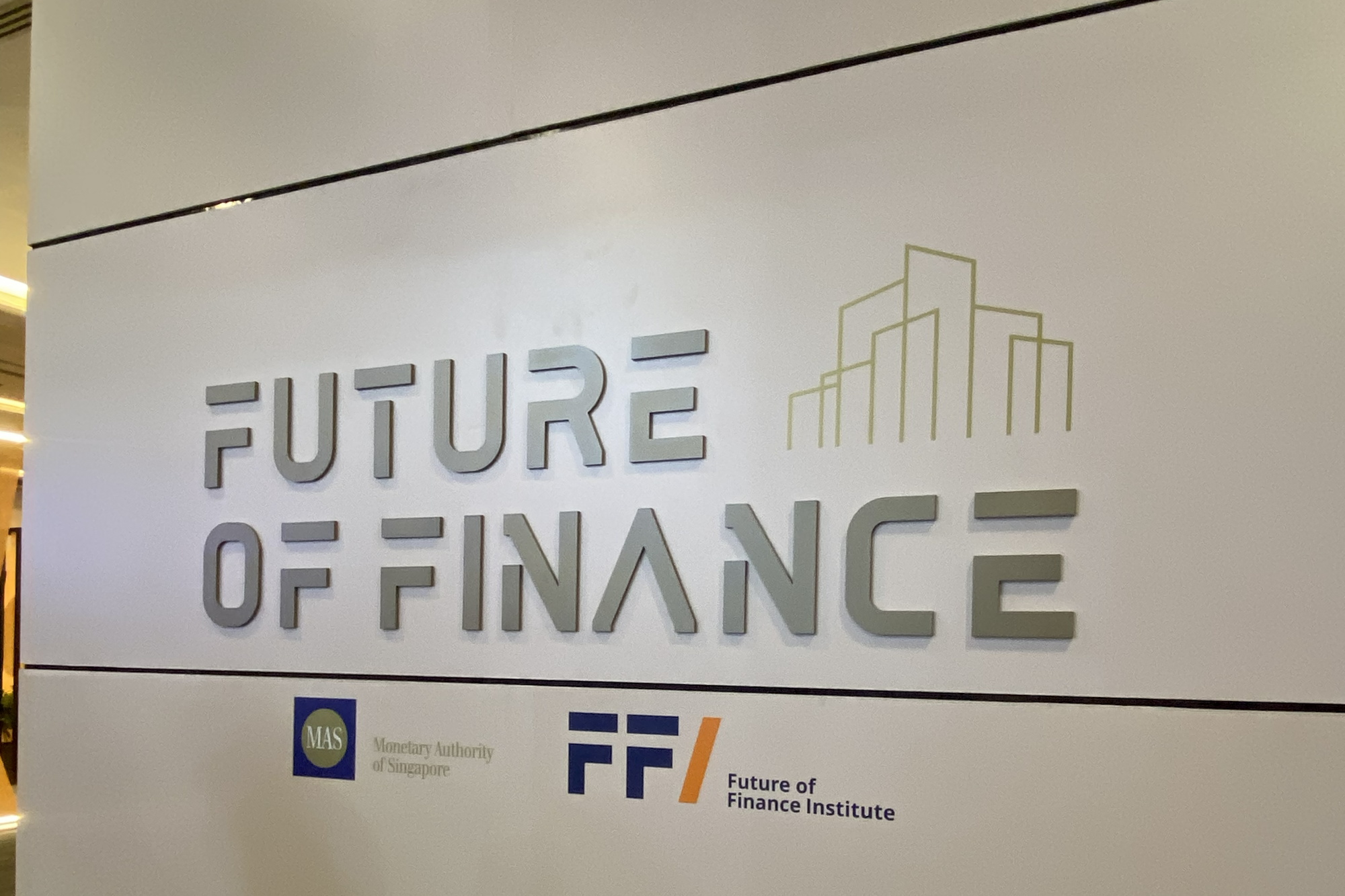
If you attended this year’s SFF, you would be forgiven for thinking it was an AI conference rather than a finance and technology festival. From the exhibitors and speakers to the marketing collateral, almost everything seems to revolve around AI.
But beyond the excitement surrounding AI, I think there is a more important question worth asking. What exactly are businesses, including finance companies, hoping to achieve with AI?
Broadly speaking, I think AI can change the way we work in two ways. The first is to let organisations do what they already do today, but with fewer resources (i.e. lower headcount).
The second is to enable businesses to do things that were previously not possible, potentially creating new products, businesses and jobs in the process.
Using AI To Do The Same Work With Fewer People
One of the more immediate benefits of AI for businesses is cost optimisation.
A simple way to think about it: If a job that previously required three employees can now be done by one employee with AI’s help, the business stands to benefit financially. Even if the business pays this employee twice what he or she previously earned, it would still be spending less on manpower while getting the same amount of work (or more) done. Economists describe this as an increase in labour productivity.
We are already seeing AI reshape the work of software developers, content writers and customer service officers. While these roles may not disappear entirely, businesses may no longer need as many people performing them. Those who remain will likely do more than they used to with AI’s help.
From a business perspective, this may be the easiest way to generate a return on “AI investments”. There is no need to develop a new product, enter a new market or find new customers. Businesses simply need to figure out how to deliver what they already sell at a lower cost using AI.
The bigger question, however, is where employment opportunities will come from if every business is pursuing the same strategy.
Using AI To Create New Businesses & Employment Opportunities
The more exciting use of AI, in my opinion, is enabling businesses to do things that were previously impossible or commercially unviable.
When the internet became widely adopted, its biggest contribution to the economy was not simply making existing businesses more efficient. It gave rise to entirely new industries, from e-commerce and digital publishing to ride-hailing platforms. These industries then created employment opportunities that didn’t previously exist.
Our website, DollarsAndSense, is an example of a business that probably would not have existed in its current form 30 years ago. The internet made it commercially viable for a small team to start a financial media company without owning a printing press or having a physical distribution network.
I think we all need to be asking similar questions about AI today. What businesses, products, and services can we build today with AI that wouldn’t have been feasible to develop a few years ago?
What Could The Future Of Finance Look Like With AI?
At this year’s SFF, several interesting examples showed how financial institutions are using AI to develop new products and services.
Visa, for example, showcased how AI agents could help consumers search for products, make purchasing decisions and complete payments on their behalf. Imagine instructing an AI agent to buy air tickets for your family holiday once prices fall below your specified budget, rather than checking prices every day.
On the business banking front, ANEXT Bank launched its CreditNow service on Lazada just ahead of SFF. Eligible Lazada sellers in Singapore can apply for unsecured business loans of between $5,000 and $300,000 directly through their seller dashboard. Leveraging Ant International’s financial AI technology and real-time transaction data from Lazada, the bank can assess the creditworthiness of eligible merchants without requiring additional financial documents. This could make financing more accessible to smaller online businesses without needing a trail of paperwork or long processing time.
Singapore-based MetaComp also showcased its StableX Agentic Network, which allows AI agents to make cross-border payments on behalf of businesses within authorised limits. For example, a Singapore company that regularly pays suppliers in Thailand, Malaysia and Indonesia could task an AI agent with monitoring exchange rates, identifying cost-effective payment options and making payments when they are due. In the past, managing such transactions actively might have required a dedicated finance team. With AI, even smaller businesses can now access such capabilities.
Ultimately, whether AI presents an opportunity or a threat to those working in the finance industry depends largely on what businesses choose to do with it. If the primary objective is to reduce headcount, then workers have every reason to be concerned.
But if AI enables us to build businesses, products and services that previously could not exist, then there is plenty to be excited about in Singapore’s finance space.
Read Also: 5 Things We Saw At Singapore FinTech Festival 2026 That Got Us Excited For 2027


Family Planning
Price Guide To Chinese Enrichment Classes In Singapore


Bonds and Fixed Income
6 Investments In Singapore That Provide Guaranteed Principal And Returns


