

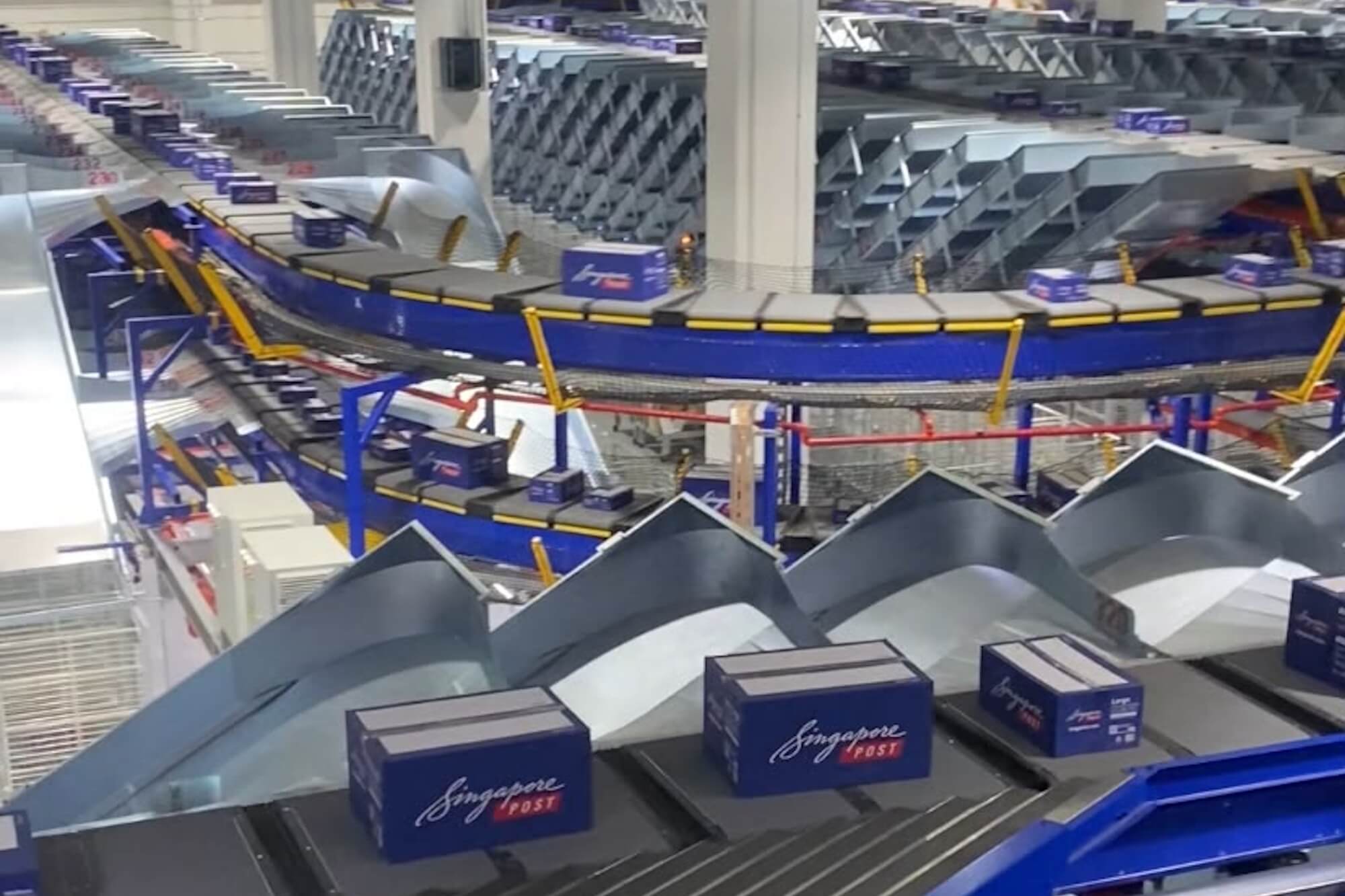
As part of a series of corporate site visits organised by the Association of Singapore Listed Companies (SGListCos), in collaboration with Singapore Exchange (SGX), I had a chance to visit Singapore Post’s newly launched Automated Sortation Hub in Tampines. This is part of SGListCos’ efforts to increase awareness of the next tier of companies beyond the Straits Times Index (STI).
Situated within SingPost’s Regional eCommerce Logistics Hub, the facility promises to triple small and medium parcel capacity and handle from 100,000 to 300,000 parcels daily. When combined with existing large-parcel operations, that’s an impressive 400,000 parcels a day.
Walking into the hub, I was struck by the sheer scale and precision of the machinery. While it wasn’t fully operational yet, I could see that this wasn’t a warehouse intended to be staffed with workers manually sorting packages. Instead, it’s a carefully choreographed ecosystem of machines supervised by humans, each playing a role in ensuring parcels move seamlessly from induction to dispatch.
Three features stood out most vividly: the 3D sorter for small and flat parcels, the Intelligent Flexi Sorter (IFS) for high-performance processing, and the fleet of 40 Automated Guided Vehicles (AGVs) that tie everything together.
The 3D Sorter Provides Precision For Small And Flat Parcels
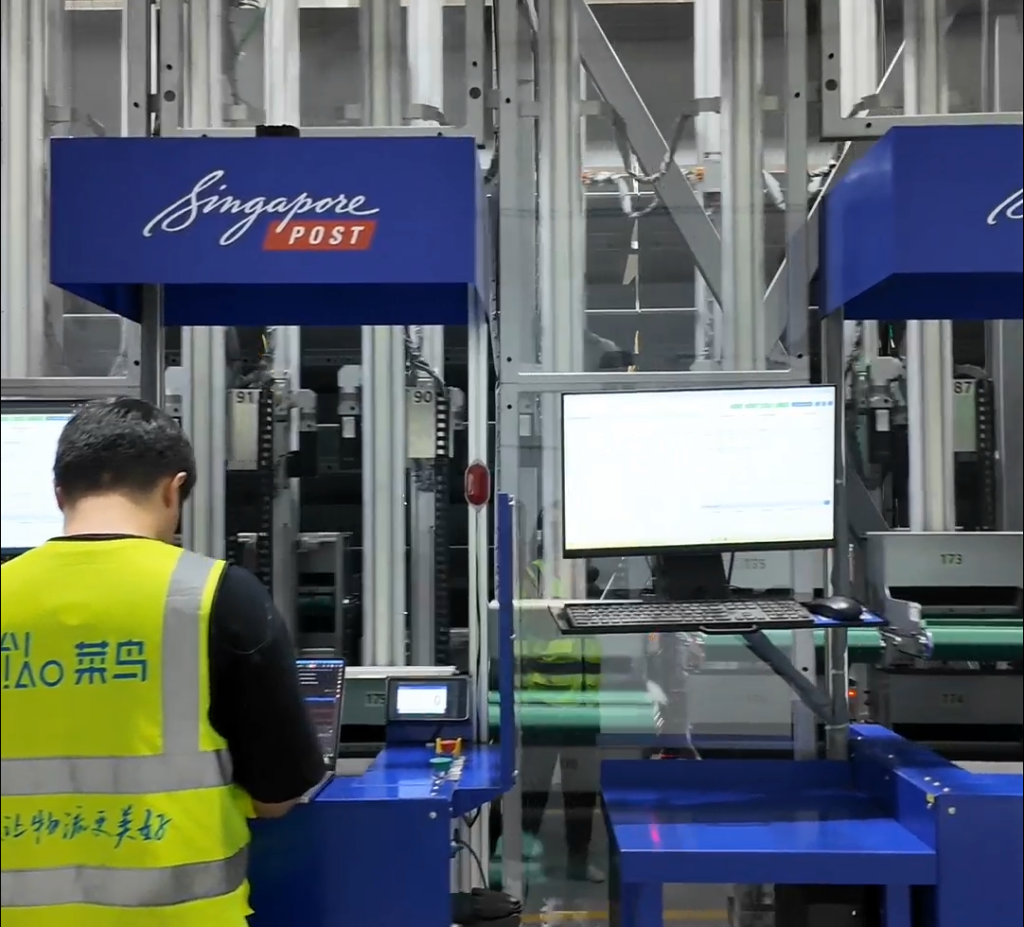
The 3D sorter is the hub’s nimble workhorse. Designed to handle letters, thin packets, and small parcels, it uses advanced sensors and cameras to measure dimensions, weigh items, and scan barcodes or addresses in milliseconds. The machine’s finesse means it can sort parcels as thin as 5mm and ranging from 10 grams to 5 kilograms.
Standing beside the machine, I saw how it was designed to handle up to 6,000 items per hour, with each item dropping neatly into one of 580 output chutes. This level of precision means delivery teams can pick parcels by cluster rather than manually re-sorting them, saving hours of labour.
The Intelligent Flexi Sorter For Small And Medium Parcels
If the 3D sorter is about finesse, the Intelligent Flexi Sorter (IFS) is about brute force combined with adaptability. Its multiple lanes and two-tier conveyors allow it to process tens of thousands of parcels per hour, dynamically rebalancing flows to prevent bottlenecks.
During my visit, before the hub was operational, I saw how the IFS could absorb a surge in parcels and sort them steadily. Oversized items would be sorted to manual lanes, while the rest continued seamlessly through the system.
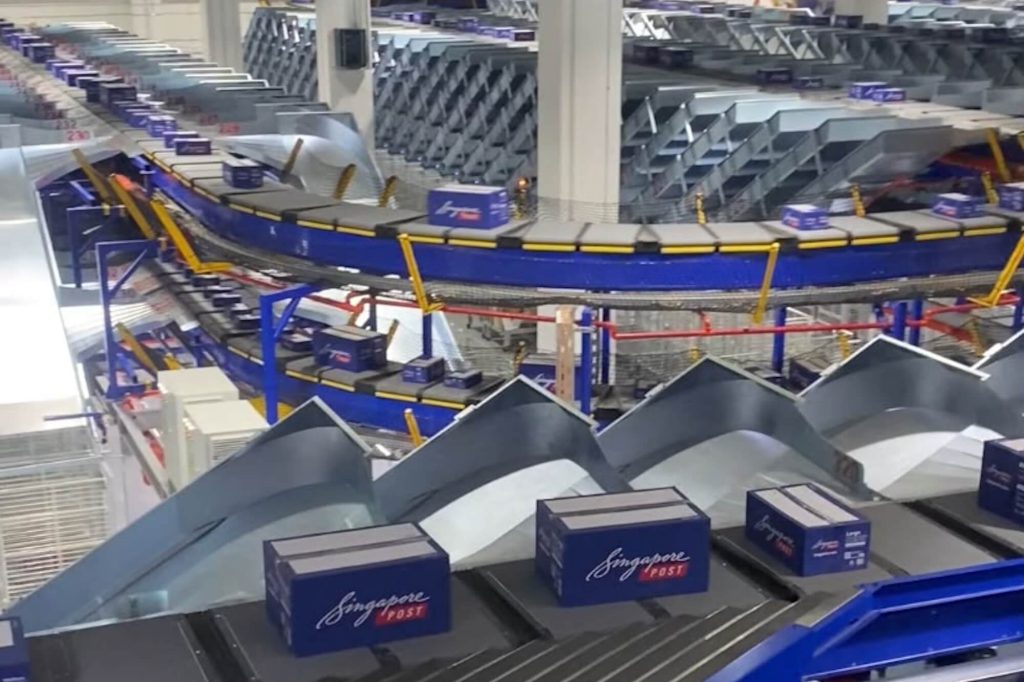
The IFS is the backbone of the hub’s promise to triple small- and medium-parcel processing capacity from 100,000 to 300,000 parcels per day. The massive machine occupies about half the warehouse floor, with the remaining space intentionally left empty for future use. The hub is designed with redundancy in mind: manual override points, fallback lanes, and spare capacity ensure resilience.
AGVs Serve As Invisible Couriers
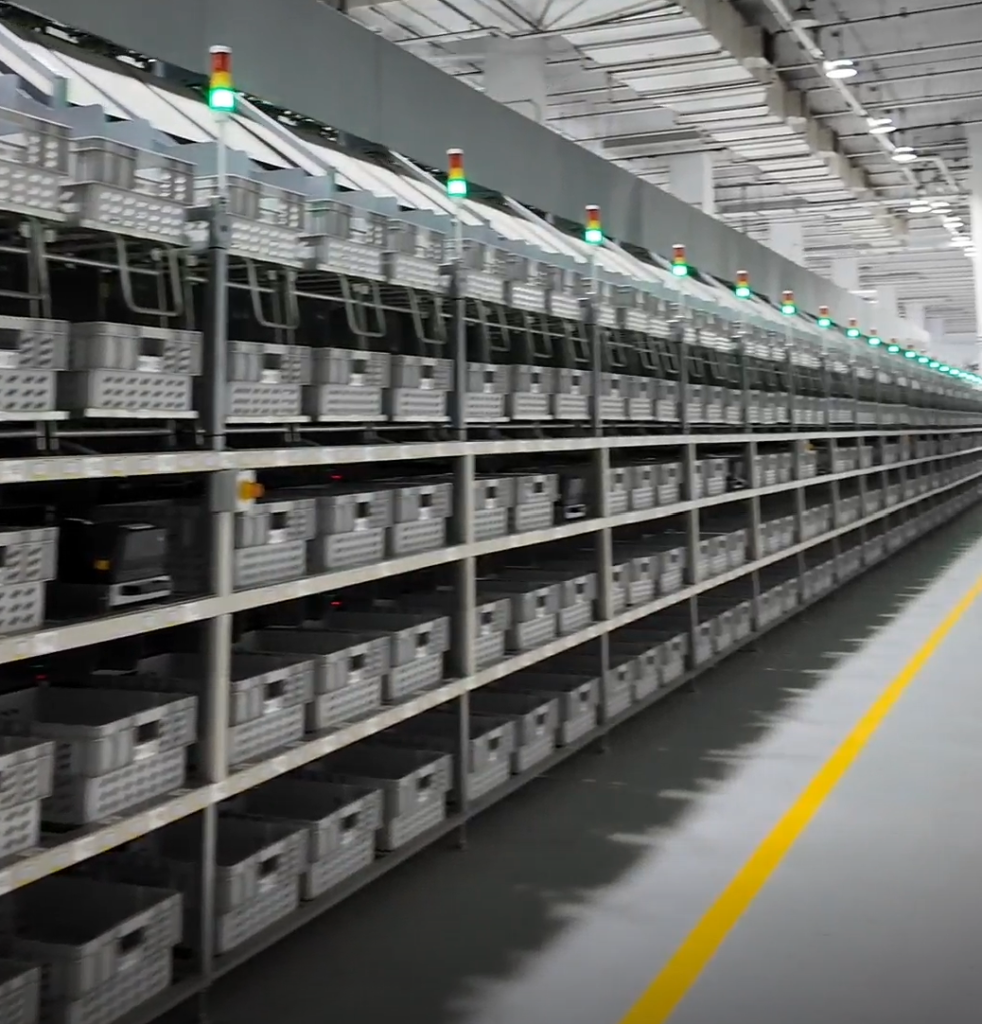
Perhaps the most fascinating part of the hub was watching the fleet of 40 Automated Guided Vehicles (AGVs) glide silently across the floor. Each AGV can carry cages weighing up to 600kg, navigate using LIDAR and cameras, dock autonomously to recharge, and dynamically reroute to avoid congestion.
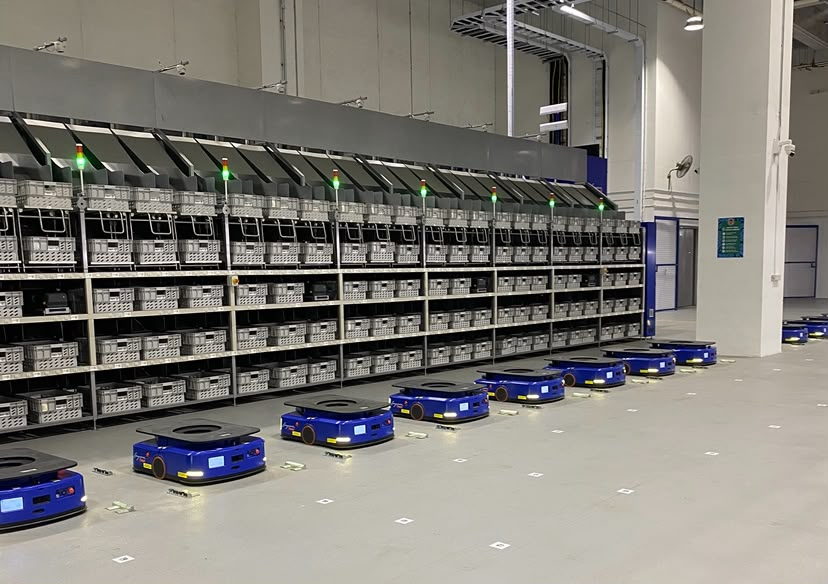
The AGVs act as the connective tissue between the sorters and the staging bays. Parcels are deposited into totes, AGVs collect them, and then redistribute to loading areas. Human teams only intervene at the final-mile stage. The choreography is subtle but powerful: by reducing manual handling and cross-dock trucking, AGVs enable continuous flow and better floor-space utilisation.
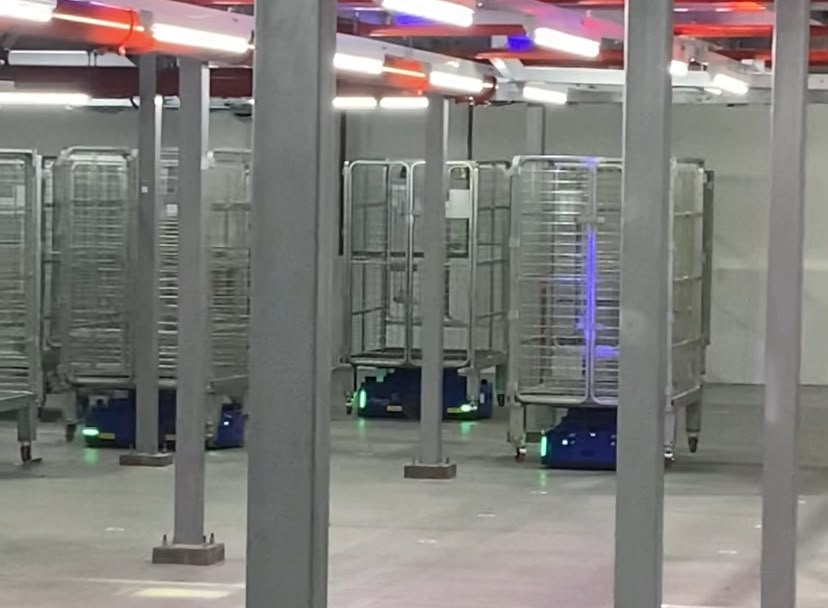
Watching them in motion felt like observing a ballet — dozens of machines moving independently yet in perfect sync, each aware of the others, each contributing to the hub’s overall rhythm.
Why This Automated Sortation Hub Matters For SingPost
Consolidating sortation into a single Tampines hub eliminates cross-island trucking across multiple sites, reducing costs and improving delivery speed. Previously, the smaller items were handled at SingPost Centre in Paya Lebar, and larger packages in Tampines. Parcels had to be sent back and forth between the two facilities. With all parcel sortation now consolidated at Tampines, there is a single, streamlined parcel flow across SingPost’s delivery network.
As shared by Mr Isaac Mah, Group Chief Financial Officer at SingPost, this is in line with the company’s goals to power first to last mile. The automated machines boost the efficiency of the mid-mile process and consistently and reliably strengthen SingPost’s small- and medium-sized processing.
SingPost’s investment in automation comes alongside a broader financial repositioning. According to its latest unaudited FY2026 results, where group revenue stood at S$376 million. The bulk of the group’s revenue comes from the Logistics & Letters segment, but with continued declines in letter mail volumes and international eCommerce delivery impacted by US tariff volatility and geopolitical instability, there is greater reliance on the growth of domestic eCommerce delivery.
Visiting the hub made one thing clear: SingPost’s S$30 million here is not for the short-term. This is a future-ready platform where the 3D sorter, Intelligent Flexi Sorter, and AGVs are parts of a system designed to turn parcels into predictable, trackable flows rather than one-off manual problems.
Thank you once again to SGListCos for organising this exclusive site visit to the Regional eCommerce Logistics Hub, and to SingPost for hosting us.


