

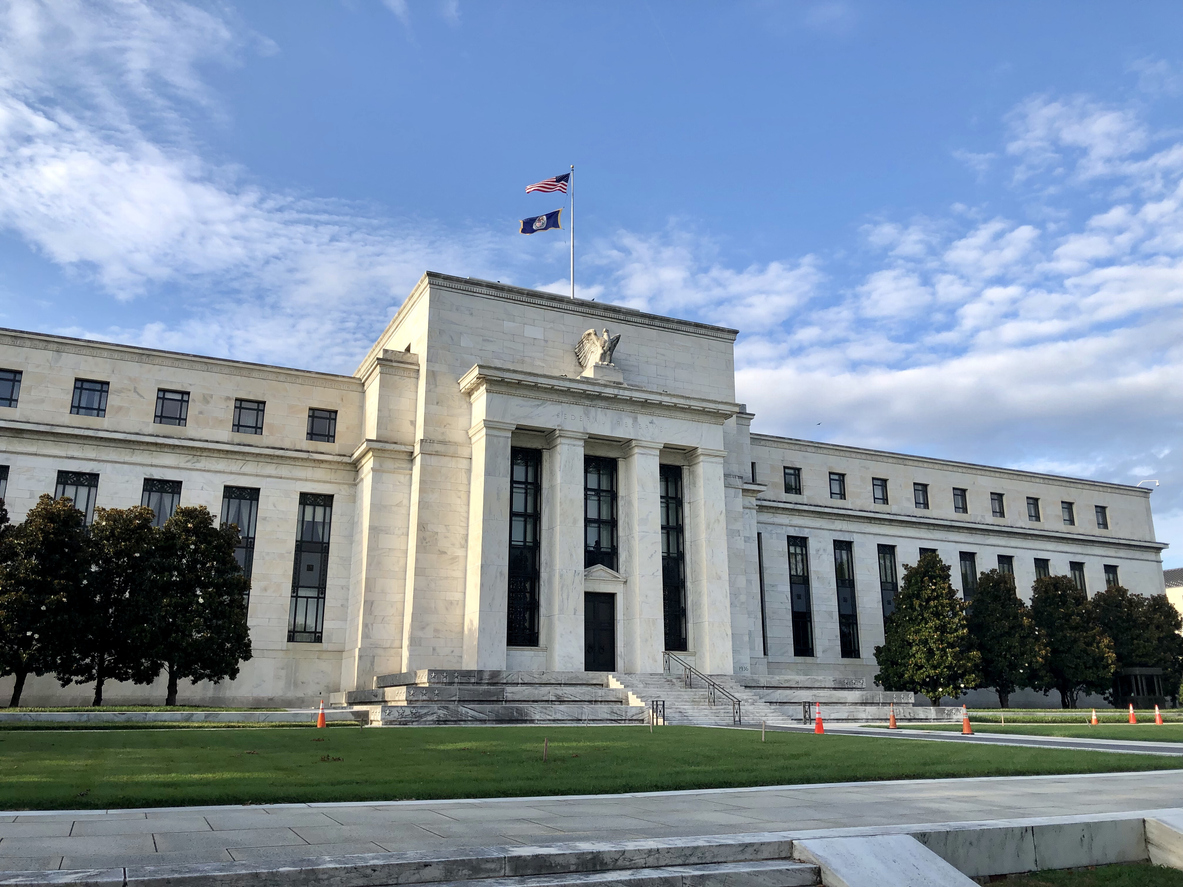
After US Federal Reserve (Fed) Chairman Jerome Powell’s speech at Jackson Hole, markets are betting that the Fed will cut interest rates in September.
If that happens, it won’t just affect Americans. This is because the US dollar sets the tone for global markets. Singapore’s interest rates, investments and even the value of our savings could also feel the ripple effect.
Here are four ways a rate cut in September could affect your money, and the practical moves you can make now.
#1 Your Home Loan
For most homeowners on floating-rate mortgages, monthly repayments are tied to SORA, the Singapore Overnight Rate Average. When the Fed cuts rates, global funding costs typically ease, and SORA tends to drift lower as well. That means your mortgage repayments could shrink once your loan resets, though the timing depends on whether your package resets every one, three, or six months.
Those on fixed-rate mortgages won’t see any change immediately, since their rates are locked in. However, if your fixed term is ending or if you are already paying a higher legacy rate, this could be a good opportunity to consider refinancing or repricing.
Sometimes it’s smarter to wait for your rate to reset to a lower level, while in other cases, asking your bank for a repricing offer or comparing SORA packages from other lenders may save you money. The key is to weigh potential savings against admin fees, because there’s no point switching if the costs outweigh the benefits.
#2 Cash Savings & Short-Term Yields
Savers have already noticed that returns on cash-like products have been sliding. The most recent six-month T-bill auction yielded an annual rate of 1.59%, while the latest Singapore Savings Bonds offer 1.71% in the first year, averaging 2.11% over ten years. If the Fed cuts rates, these yields could fall further.
This doesn’t mean you should avoid them. They remain safe places to park money, especially if you know you will need funds in six to twelve months. If liquidity is more important, money market funds are worth exploring, although their yields will also decline if rates continue to fall. The main thing is to match your savings to your timeline, rather than chasing a rate that could soon disappear.
Read Also: Treasury Bills (T-bills): What Are They And How You Can Buy Them
#3 Your Investment Portfolio
Rate cuts typically benefit bonds, especially longer-dated and investment-grade ones, as their prices rise when yields fall. That hasn’t been entirely the case for US Treasuries this year, where long-term yields have increased due to concerns over America’s fiscal position. However, quality corporate bonds and longer-dated Singapore Government Securities should still get some support.
Equities tend to appreciate lower rates, although the effect is uneven. Growth companies may see valuations rise, while banks could face pressure from reduced net interest income. Singapore REITs, which rely heavily on debt to finance assets, could benefit from cheaper borrowing costs, especially if this rate cut is the start of a cycle rather than a one-off move.
For investors, this is a good time to audit your portfolio. If you are heavily concentrated in banks, think about whether that still makes sense in a falling-rate environment. If you hold REITs, examine their debt profiles to determine how exposed they are to refinancing risk. The point isn’t to make dramatic changes, but to be clear-eyed about how sensitive your holdings are to interest rate shifts.
#4 The US Dollar & Overseas Investments
Every Fed decision ripples into the foreign exchange market, and the US dollar has been unusually volatile this year. It weakened when traders anticipated cuts, but strengthened again when concerns about inflation suggested the Fed might not go much further.
For Singapore investors buying US stocks or funds, these swings directly affect your returns. A weaker dollar makes it cheaper to buy in, but it also reduces the value of your holdings when you convert them back into SGD.
If you are dollar-cost averaging into US markets, the most straightforward approach is to stay consistent rather than trying to time the currency market. Converting smaller amounts of SGD into USD regularly can also help smooth out the fluctuations in exchange rate volatility.
Read Also: Buying US Stocks In Singapore: Guide To Stock Trading Platforms And Brokerage Fees
Top Image: iStock/FinkAvenue


