
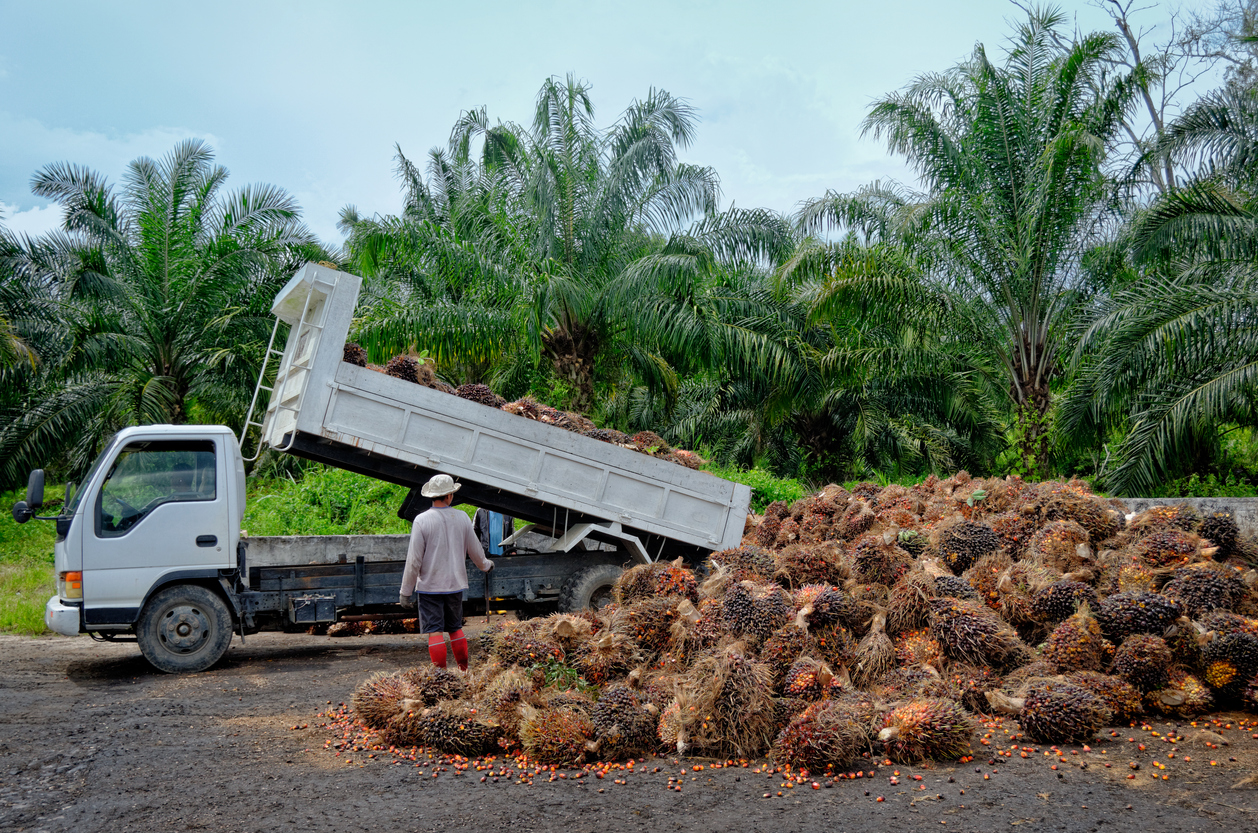
Investors often focus on revenue, profits and dividends. But how companies manage risks and keep shareholders informed matters too—a point highlighted during SIAS Corporate Governance Week 2026, as the haze brought corporate transparency into clear focus.
At the SIAS Investors’ Choice Awards on 21 October, Minister for National Development and MAS Deputy Chairman Chee Hong Tat stressed that good governance includes operating responsibly and within the law, including not supporting unlawful burning that causes transboundary haze. SIAS Founder, President and CEO David Gerald also urged investors to examine companies’ environmental practices, citing potential penalties, legal liabilities and reputational damage.
On 23 October, NEA sought information from 10 Singapore-registered palm oil or forestry companies about their corporate relationships, land concessions and fire prevention and firefighting measures. While these notices are part of gathering evidence to determine whether companies contributed to the haze, they do not establish wrongdoing.
In this edition of 4 Stocks This Week, we examine seven SGX-listed palm oil companies named directly or through subsidiaries, covering their businesses, financial performance and environmental disclosures.
#1 Wilmar International (SGX: F34)
Wilmar International is the largest company on our list by market capitalisation. Its business extends beyond oil palm cultivation to edible oil refining, oilseed crushing, rice and flour milling, sugar, animal feed and consumer food products, with operations across more than 50 countries and regions.
For the first half of 2026, revenue rose 17.2% year-on-year to US$38.56 billion, while net profit increased 2.3% to US$608.9 million. Stronger feed and industrial products and food products earnings helped offset weaker plantation and sugar milling results. Revenue growth also reflected the consolidation of AWL Agri Business, which became a subsidiary in December 2025.
In its 16 October announcement, Wilmar said its no-burning policy, in place since 2006, applies to subsidiaries and third-party suppliers. It outlined measures including round-the-clock satellite monitoring, ground verification of hotspot alerts and dedicated firefighting teams. Wilmar acknowledged fires in small parts of some Indonesian concessions, but said its field checks indicated that these originated outside concession boundaries or on community-farmed land within them before spreading into areas it manages. It said it quickly extinguished all such fires.
On 23 October, Wilmar confirmed it had received NEA’s notice requesting documents and information, and said work was underway to comply. Wilmar’s share price fell from $3.67 on 23 September to $3.34 on 23 October 2026, down about 9.0% over the past month.
#2 First Resources (SGX: EB5)
First Resources has a market capitalisation of approximately $5.8 billion. Its operations span oil palm cultivation, palm oil mills and refining in Indonesia, producing crude palm oil and processing it into higher-value products.
For the first half of 2026, revenue rose 44.5% year-on-year to US$973.6 million, while net profit increased 57.4% to US$234.9 million.
In its 16 October announcement, First Resources said its monitoring and field checks indicated that some fires originated outside its concessions before spreading into areas it manages in West Kalimantan. It outlined measures including satellite monitoring, drone surveillance, ground patrols and trained firefighting teams. On 20 October, it reaffirmed its zero-burning policy and willingness to cooperate with an evidence-based examination by the authorities.
In a 24 October announcement, First Resources confirmed receiving NEA’s information notice on 23 October and said it would provide the requested documents and information. Its share price fell from $4.44 to $3.68 over the past month, down about 17%.
#3 Golden Agri-Resources (SGX: E5H)
Golden Agri-Resources has a market capitalisation of approximately $3.4 billion. Its operations span Indonesian oil palm plantations, mills, refining, speciality fats, oleochemicals, biodiesel and branded consumer products, with products sold in more than 110 markets.
For the first half of 2026, revenue reached US$6.60 billion, while net profit rose 4% year-on-year to US$167 million.
In its 16 October response to SGX RegCo, Golden Agri-Resources said its zero-burning policy, introduced in 1997, applies across the group and forms part of its supplier requirements. It outlined measures including satellite and drone surveillance, trained firefighting personnel and centralised monitoring. Based on its assessment at that time, the group said it was not aware of information indicating that its operations had caused or contributed to the recent transboundary haze.
NEA’s 23 October information notice named Golden Agri International, a subsidiary of Golden Agri-Resources. Golden Agri-Resources’ share price fell from $0.33 to $0.27 over the past month, down about 18%.
#4 Bumitama Agri (SGX: P8Z)
Bumitama Agri has a market capitalisation of approximately $2.8 billion. Its business focuses on oil palm cultivation and the production of crude palm oil and palm kernel, with plantations and mills in Central Kalimantan, West Kalimantan and Riau in Indonesia.
For the first half of 2026, revenue rose 24.0% year-on-year to IDR12.08 trillion (approximately S$854 million), while net profit attributable to shareholders increased 44.3% to IDR1.83 trillion (approximately S$129 million).
In its 16 October announcement, Bumitama said fires spreading from surrounding land damaged some areas within or adjoining its concessions. Based on internal observations and preliminary investigations, it said it found no evidence linking its operations to the initiation of the fires under investigation or the haze in question. It outlined measures including satellite monitoring, field patrols, thermal-imaging drones and dedicated firefighting teams, alongside its zero-burning policy.
NEA named Bumitama among the companies issued information notices on 23 October. Its share price fell from $2.10 to $1.63 over the past month, down about 22%.
#5 Indofood Agri Resources (SGX: 5JS)
Indofood Agri Resources has a market capitalisation of approximately $475 million. Its integrated business spans oil palm seed breeding, cultivation, and milling through to the refining, branding, and marketing of cooking oil, margarine, shortening, and other palm oil products.
For the first half of 2026, revenue rose 2.5% year-on-year to IDR9.62 trillion (approximately S$680 million), while net profit attributable to shareholders increased 31.6% to IDR444.5 billion (approximately S$31 million).
In its 18 October response to SGX RegCo, Indofood Agri said it had promptly addressed small, scattered hotspots within the plantation areas of its Indonesian subsidiary, PT Salim Ivomas Pratama, and its subsidiaries (SIMP Group) to prevent fires. It outlined measures including satellite monitoring, ground verification, specialised firefighting teams and a mobile hotspot mapping system. The group said its zero-burning policy extends to suppliers and that, at that time, there had been no material impact on business activities or continuity.
NEA named Indofood Agri among the companies issued information notices on 23 October. Its share price was unchanged at $0.34 between 23 September and 23 October 2026.
#6 TSH Resources (SGX: TSH)
TSH Resources is primarily listed on Bursa Malaysia, with a secondary listing on SGX. It operates oil palm plantations and mills in Malaysia and Indonesia, including Sabah, Kalimantan and Sumatra.
For the first half of 2026, revenue fell 16.2% year-on-year to RM456.2 million (approximately S$143 million), while net profit attributable to shareholders declined 24.2% to RM73.8 million (approximately S$23 million).
In its 22 October response to SGX, TSH said 274 hotspots detected within its estate boundaries between January and 21 October were in community enclaves outside its planted and operational areas. It said its field teams extinguished the fires and lodged police reports. The group outlined measures including satellite monitoring, ground patrols and trained firefighting teams, alongside a zero-burning policy covering contractors and suppliers.
NEA’s 23 October information notices named its subsidiaries TSH Global Plantation and TSH Oversea. Its latest available SGX-traded price, recorded on 20 October, was $0.365, compared with $0.465 at the start of the comparison period, a decline of approximately 22%.
#7 Kencana Agri (SGX: BNE)
Kencana Agri is the smallest company on our list, with a market capitalisation of approximately $152 million. It cultivates oil palm and produces crude palm oil and palm kernel in Indonesia, with plantations and mills across Sumatra, Kalimantan and Sulawesi.
For the first half of 2026, revenue rose 27.1% year-on-year to US$110.8 million, while net profit increased 20.6% to US$11.8 million.
In its 16 October response to SGX RegCo, Kencana reported fire incidents affecting approximately 62 hectares within subsidiaries’ concessions in North and East Kalimantan. It said preliminary internal assessments indicated that the fires spread from adjacent areas. Kencana also disclosed an ongoing preliminary Indonesian inquiry into suspected land clearing by burning at its North Kalimantan subsidiary. The company said the subsidiary had not undertaken land clearing or preparation in the affected area, based on information then available, and was cooperating fully with investigators.
NEA named Kencana among the companies issued information notices on 23 October. Its share price fell from $0.625 to $0.53 over the past month, a decline of approximately 15%.
Read Also: Which Businesses In Singapore Could Lose The Most Money From The Haze
Photo Credit: iStock/migin


Street Smart
Singapore Gym Membership Price Guide (2026 Edition)


