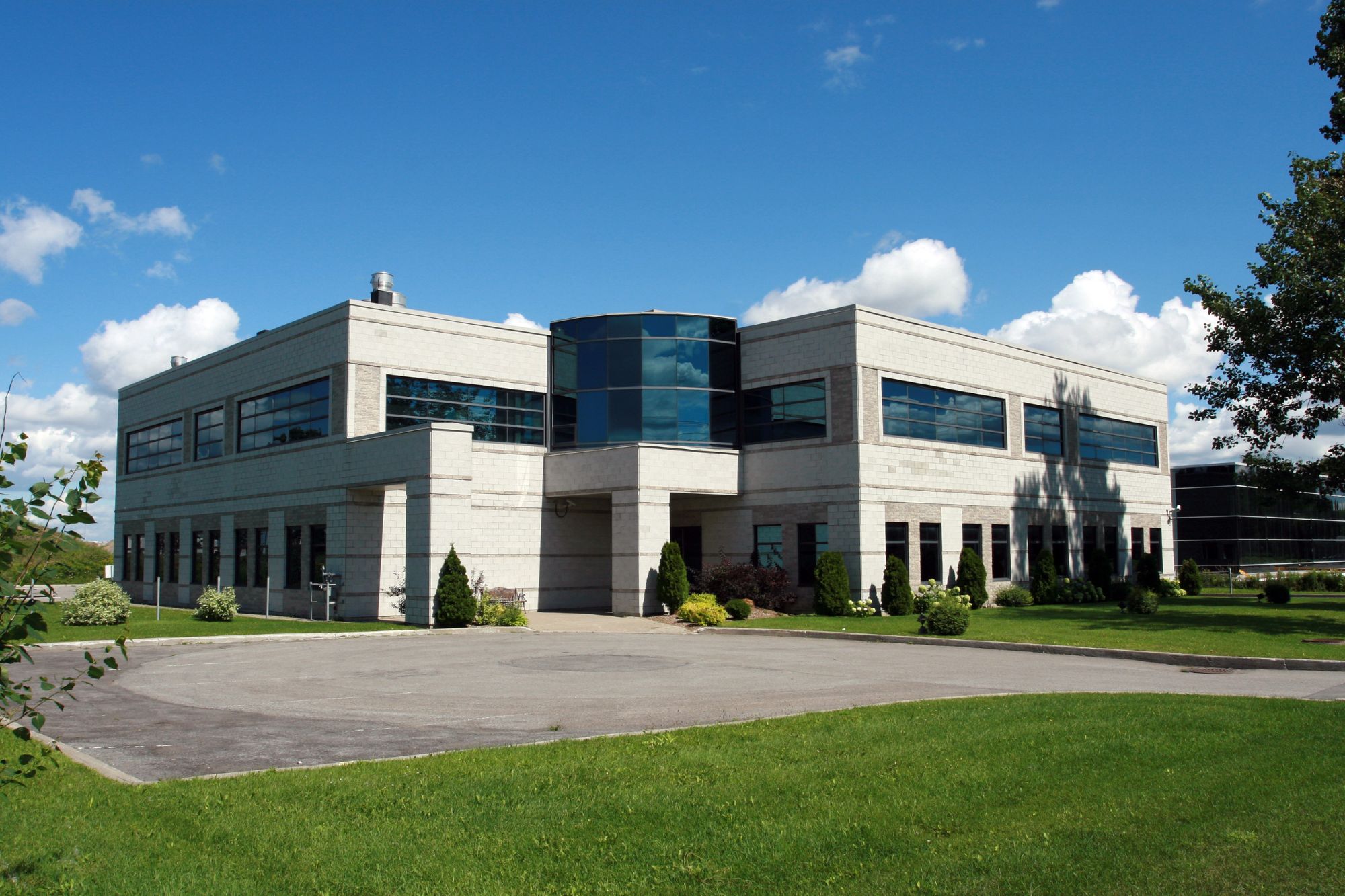
Renting an office space in an industrial building can be a strategic move for some businesses, offering unique advantages such as cost savings, proximity to manufacturing facilities, and flexible layouts.
Aside from this, some businesses may need the space to be used either for some light industrial work or for storage of logistics. Industrial buildings are typically fitted with some of the necessary facilities such as industrial lifts, which can help support these activities.
#1 Building Classifications
In general, industrial buildings in Singapore are classified into a few categories based on the type of industrial activities and intensity of use. The B1 classification is used for light and clean industrial activities which do not generate significant pollution or noise for the surrounding. This may include light manufacturing, assembly and storage of products.
The B2 classification is for heavier industrial activities that generate more noise, fumes or other forms of pollution, such as chemical plants or metalworking facilities. B2 zones are typically located further from residential areas to minimise impact on the public.
The Business Park classification is designated for business park zones, which are typically a combination of office spaces, laboratories and clean production facilities, which are primarily intended for high-technology and R&D activities.
#2 Accessibility
Unlike B2 industrial buildings, B1 industrial buildings tend to be closer to residential areas. This opens up the option for some employees to rent houses in nearby residential areas in order to shorten their daily commute.
Aside from this, these areas are also typically accessible by bus. There is also typically ample parking space, which will be useful for employees who drive to work. For companies which may use heavy vehicles or transportation vehicles, it is important to check if there are parking spaces that suit the necessary vehicles.
Nevertheless, they will still not be as accessible as traditional office spaces, especially those in the Central Business District, since those areas are typically accessible by MRT.
Read Also: Guide To Singapore Science Park (SSP) – Singapore’s Life Sciences And Innovation Hub
#3 Available Facilities
Industrial buildings typically have facilities that are not present in offices. One prominent feature is an industrial lift and a loading/unloading bay for heavy vehicles. For companies that don’t necessarily deal with manufacturing but may need to deal with bulk deliveries or logistics, this can be a useful feature since normal office spaces do not typically have industrial lifts. Being able to move one pallet of goods per trip is much faster than having to make many trips using a trolley.
B2 industrial buildings and Business Park buildings will also typically have other facilities which may be necessary for laboratories or other more specialised facilities. They may have industrial-grade power supply to support energy-intensive machinery equipment, industrial-grade plumbing and drainage or special drainage systems or ventilation and air filtration systems. These are specific to the building itself, so if your business needs these, it is important to check if the building has these features before leasing.
Read Also: Finding & Renting An Ideal Office Space For 2024
#4 Nearby Amenities
Aside from thinking about meeting business needs, it is also important to meet employees’ needs to ensure a good working quality of life. Most industrial areas typically have nearby canteens, but aside from this, having other amenities like childcare centres or even recreational activities may be useful for employees.
#5 Neighbouring Tenants
One of the draws of setting up shop in an industrial area is that some of the other tenants may be a business that has the potential to support your business or even be an upstream supplier. The close proximity to such businesses gives the advantage of making it easy to conduct business due to the ease of arranging meetings or the ease of transporting equipment.
#6 Future Proofing
Shifting is costly, especially if your company deals with a lot of logistics. In the longer-term future, if your company wishes to expand, it is perhaps prudent to look into whether the current space is suitable for future expansion, or whether it is likely that you will have to shift to a separate facility for expansion.
Read Also: Where To Buy Or Sell Your Second-Hand Furniture When You Shift Offices
Subscribe To The DollarsAndSense Business Pass
Enjoy what you are reading and want more? Join The DollarsAndSense Business Pass and unlock access to valuable tools, exclusive networking opportunities, and tap into the wisdom of industry experts to fuel your business expansion!