Although Myanmar has faced ongoing political instability, the country has skilled, highly educated talent with the potential to improve its fortunes. There’s just one problem:
These talents are leaving Myanmar in droves because the country’s economic situation has led to a shortage of educational and work prospects.
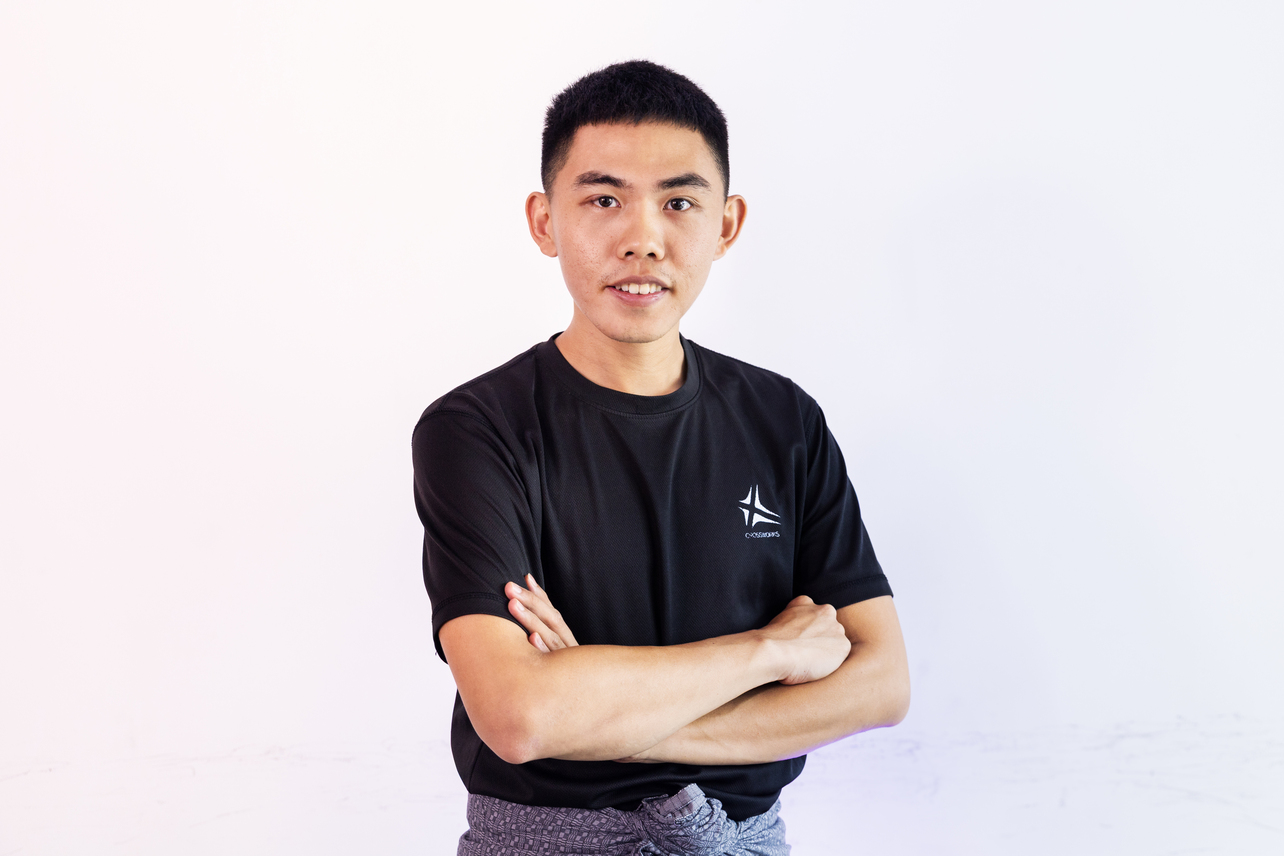
But one Singaporean, Jeshua Soh, is on a mission to stop this brain drain.
Jeshua is the founder of Crossworks Myanmar, a Human Resource (HR)-as-a-Service platform that matches foreign companies with Burmese remote workers and serves as their HR partner.
In other words, these individuals work remotely for their international employers within Myanmar, while Crossworks Myanmar handles HR and infrastructure functions on their employers’ behalf. The company also provides work equipment, co-working facilities and upskilling opportunities so they can perform to the best of their ability.
Crossworks Myanmar isn’t Jeshua’s first business. He has a string of other businesses under his belt, including a popular camera rental platform that operated for 10 years.
In fact, if you turn back the clock, you’ll find Jeshua has led quite an unconventional life.
First Encounters With Myanmar
Jeshua’s last major exam was the Primary School Leaving Examination, which he technically didn’t need to worry about as he had been accepted into the Direct School Admission programme leading to the A-levels. And he ended up not taking the A-levels either, switching from junior college to polytechnic studies to pursue filmmaking.
His polytechnic days led to his first visit to Myanmar, when his Burmese lecturer took his class to the country for a photography trip.

A year later, he returned on a church volunteer stint and was amazed to see the country’s progress.
Over that year, Myanmar had experienced significant international investment, resulting in improvements to its Internet infrastructure. According to Jeshua, SIM cards that previously cost around US$500 now cost US$1, making it easier for locals to access the internet.
This favourable impression of Myanmar would stay with him when he started looking for remote workers.
Hiring Burmese Staff For His Companies
After getting his polytechnic diploma, Jeshua founded two media-related businesses. He tried hiring local full-time employees, but they tended to leave after receiving better pay packages.
Remembering his past visits to Myanmar, he turned to hiring Burmese, posting job opportunities on Facebook groups.
To his surprise, more than a hundred people wrote in to express their interest. Not only that: he was surprised by the number of applicants who spoke good English and had strong educational qualifications.
Jeshua ended up hiring three Burmese full-timers for a start under a separate entity, Crossworks Myanmar, which was to be his businesses’ back office.
This was in 2019. A year later, the COVID-19 pandemic hit.
Pivoting To Helping Others Hire Burmese Workers
The pandemic severely impacted the media industry, as productions came to a halt. Jeshua had to let some employees go, but he wasn’t giving up yet.
“I told my staff, ‘We have a choice here, right? We can close down the company, and then everyone says goodbye.’’” shares Jeshua.
“‘Or, we can try and do something about the situation.’”
His team chose to press on, which led to pivoting from media services to becoming an HR company that connected businesses with Burmese remote workers.
Jeshua hadn’t come up with this business idea out of the blue: he had already been providing it to industry peers informally. As it turned out, other companies would also find the service valuable for hiring lower-cost workers and filling roles that are less easy to hire for in Singapore.
Clients pay a one-time fee to have Crossworks Myanmar advertise for candidates and screen them before they go through the clients’ own hiring processes.
They also pay Crossworks Myanmar a monthly fee to manage employee engagement and other HR matters.
Equipping His Talent To Succeed
Crossworks Myanmar is currently a team of 15, with over 120 Burmese remote employees supporting more than 60 companies. These companies are mostly Singapore-based, but a few are from countries like Malaysia, Hong Kong and Europe.

The Crossworks team in Myanmar
Crossworks Myanmar makes it a point to onboard exceptional individuals. They typically have good educational qualifications, and some have even studied or worked overseas—including in Singapore.
The company then equips them with resources to do their best work.
For example, it provides backup power equipment for talents whose homes don’t have backup generators. This way, they can work even if the power goes out. If they lack reliable Internet access, they can work from the company’s co-working space.
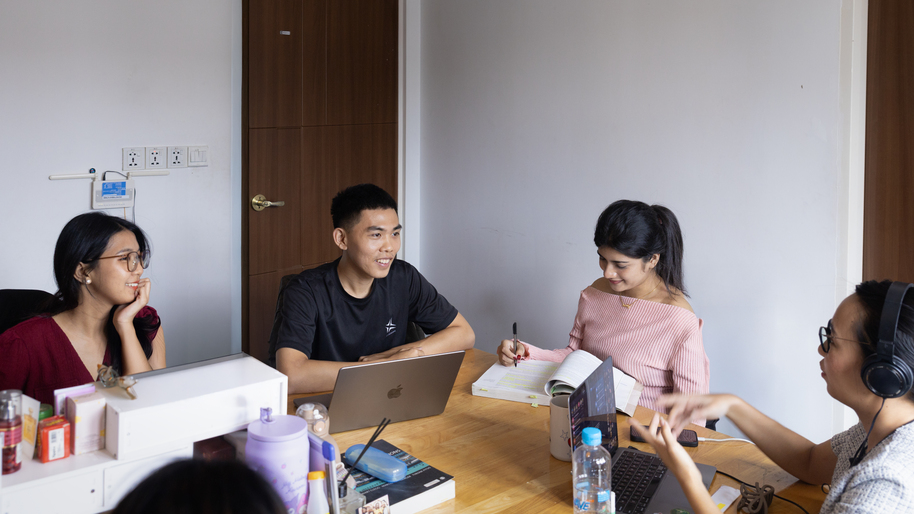
Crossworks offers a co-working space in Yangon for employees to work from
Apart from this, talents get subscriptions to essential goods.
“It’s like an employee benefit,” says Jeshua. “Now that you work for us, we take care of you by giving you convenient access to essential goods without leaving home,” says Jeshua.
Talents get to hone their skills while working for foreign companies, the company gives them learning and development credits for upskilling further.
It also encourages them to volunteer for and donate to good causes. For example, Crossworks Myanmar runs a quarterly donation drive where talents can donate credits or cash, and the company will match their donations.
“We do all this to help them feel more fulfilled at work and more willing to stay with the company,” shares Jeshua.
Paying It Forward
Philanthropy is something close to Jeshua’s heart, and he regularly engages in it.
In March, he walked 500 km in Thailand to raise $150,000 for Mae Tao Clinic, a non-profit healthcare organisation near the Myanmar-Thailand border.
The walk took him 13 days. One hour after he completed the walk, a 7.7-magnitude earthquake struck Myanmar. It killed more than 3,700 locals, injured over 5,000 others and damaged communication lines and countless homes.
Jeshua decided to stay in Myanmar to coordinate relief efforts, including the delivery of rescue equipment, food donations and medical supplies.
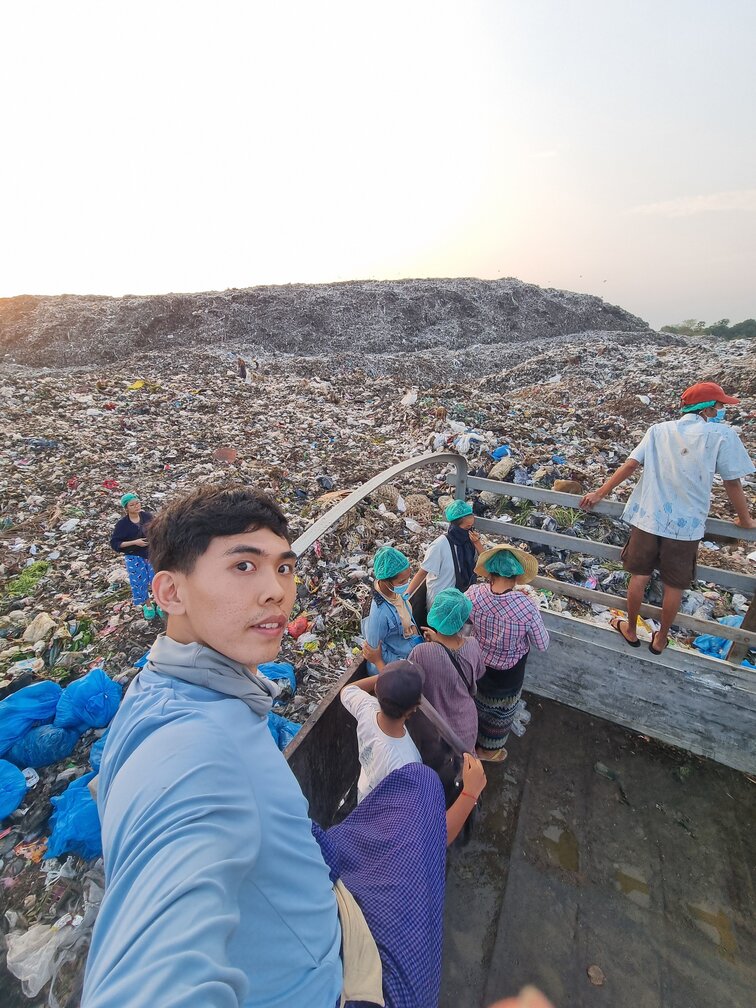
“I think we are quite fortunate in Singapore,” he replies, when asked what motivates him to keep giving back to the community.
“Most of us don’t have to worry about putting food on the table or having a place to live. So, this is one starting point, compared to people who are homeless or affected by earthquakes or war.”
“We’re Only Just Starting This Journey”
Other initiatives Jeshua has spearheaded through Crossworks Myanmar include scholarships for financially needy university students and career bootcamps for aspiring remote workers.
Jeshua hopes his contributions to the Burmese will enhance their country’s reputation, encouraging talent to remain rooted in the country. This way, not only would he have a larger pool of skilled remote workers to offer to clients, but Myanmar’s economy might also improve as locals set up businesses and start giving back.
He recognises that his efforts will take time to bear fruit. And he’s in no hurry.
“I think we’re only just starting this journey,” he says, as he shares his intention to keep up with impact-focused work.
“It’s going to be a long one.”
Subscribe To The DollarsAndSense Business Pass
Enjoy what you are reading and want more? Join The DollarsAndSense Business Pass and unlock access to valuable tools, exclusive networking opportunities, and tap into the wisdom of industry experts to fuel your business expansion!


