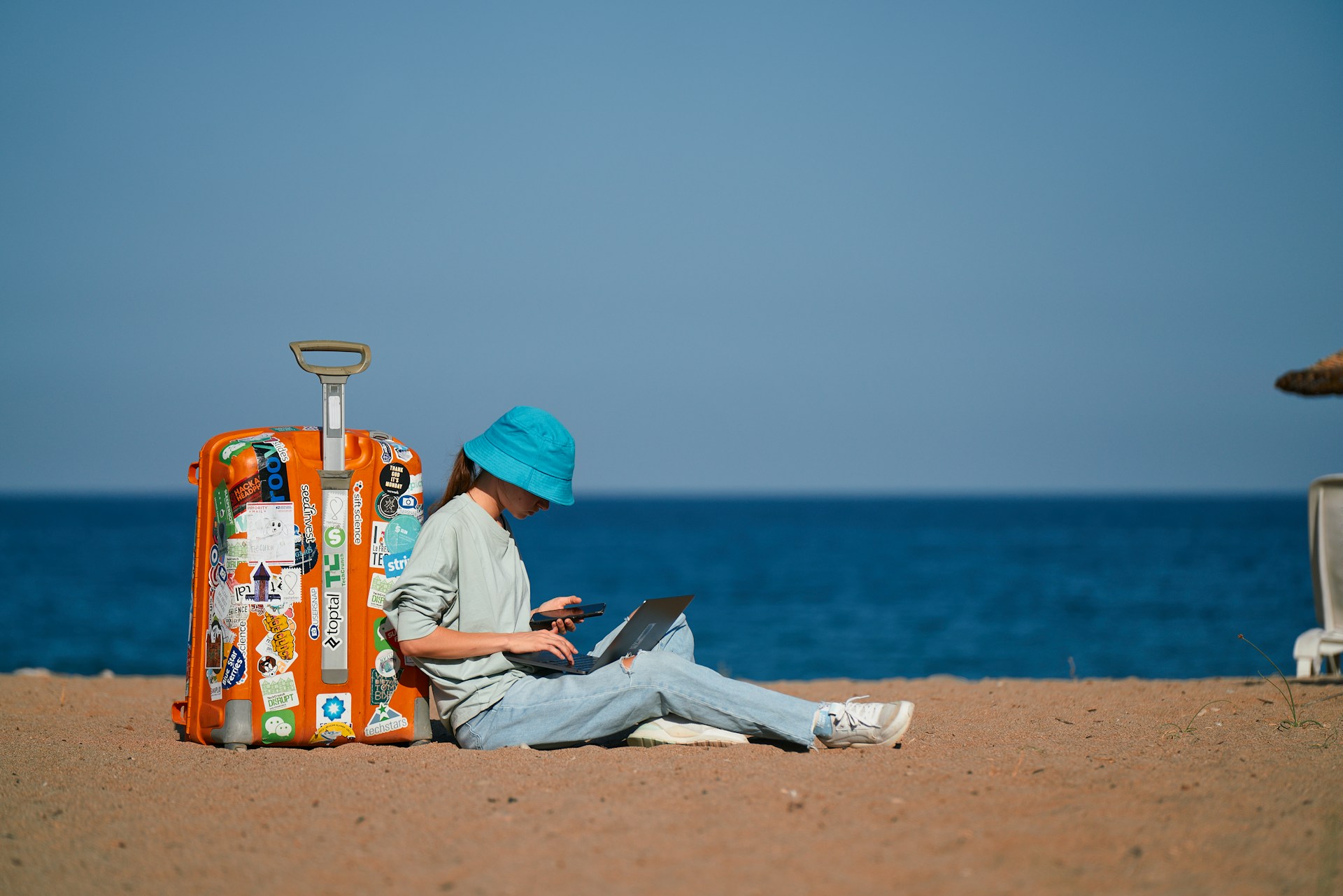
The onset of Covid-19 brought about the trend of remote work, with millions of people working from home and realising they could still be productive without having to be in a physical office. The number of people working from home has increased several folds compared to before the pandemic. For example, in the UK, 39% of people work from home in 2025 compared to only 4.7% of people who worked remote before the pandemic, according to Forbes.
This development gave more credibility to the idea of a “digital nomad” – someone who can work from anywhere and isn’t confined to living in any one country.
When it comes to quality of life and cost of living, few places can top certain Southeast Asian countries and the region has emerged as one of the popular choices for digital nomads.
It has everything one might look for when seeking out new experiences but still wanting to earn an income – adventure, good food, affordability, and digital accessibility.
Here’s a look at why Southeast Asia can be an ideal playground for digital nomads.
Read Also: 3 Reasons The Revolut Card Is Perfect For Digital Nomads
Affordable Cost Of Living
Perhaps the most cited reason digital nomads flock to Southeast Asia is its significantly lower cost of living. If you’re thinking about how much you have to shell out for rent and food in New York City or London, then some of the bustling cities of Southeast Asia look that much more appealing.
For example, estimated monthly expenses in Bangkok for a solo digital nomad, including housing, food, transportation and leisure activities can range from around US$980 to US$1,300, according to Numbeo. That’s just a fraction of what you’d spend in cities like New York, London, or Sydney for the similar type of lifestyle.
This affordability gives digital nomads the freedom to have more leeway in their business ventures, or be able to enjoy a higher quality of life without burning through their savings.
Close-Knit Communities
The digital nomad ecosystem in Southeast Asia is well-established, offering a support system for remote workers. Nomad-friendly cities like Bangkok and Ho Chi Minh city offer a dense concentration of international and local coworking spaces, networking events, and nomad meetup sessions.
This sense of community extends to local cottage industries that have emerged to cater to these digital nomads. They include Wi-Fi cafes and spaces that are built around wellness, yoga, and healthy living – all there to serve a growing community of digital nomads.
Being around other like-minded remote workers fosters collaboration, accountability, and emotional support. When you’re in a new place and adapting to the local way of doing things, these are key ingredients to ensure that the nomadic lifestyle is sustainable over time.
Flexible Visas
With the growing trend of remote working, more countries are offering digital nomad visas to remote workers.
For example, Thailand offers the Destination Thailand Visa (DTV) to digital nomads, remote workers, foreign talents and freelancers.
The special visa allows remote workers to stay in the country for up to 180 days per year, with the possibility of extending that to another 180 days. The DTV is valid for five years and has been designed to cater to individuals that are either working remotely for foreign firms or are solo freelancers. Remote workers who are interested will need to furnish personal documents including financial evidence of having no less than 500,000 baht (around US$15,399).
Meanwhile, Malaysia also offers a digital nomad visa called the DE Rantau Nomad Pass that gives remote workers the ability to live and work in Malaysia for up to 12 months, with the possibility of renewing it for another 12 months. According to a press release by the Ministry of Digital Malaysia in June 2024, remote workers outside the IT and digital industry need to meet a minimum income requirement of US$5,000 per month or US$60,000 per year. The income barrier for tech professionals to work in Malaysia is easier to achieve at US$2,000 per month or US$24,000 per year. Remote workers can apply for the visa from their home country.
Travel And Work On Your Doorstep
Finally, Southeast Asia offers digital nomads the opportunity to travel and see a variety of cultural gems, all within a reasonable budget.
There are various budget airlines like AirAsia and Scoot, making regional travel incredibly accessible. For example, Air Asia’s roundtrip ticket price from Kuala Lumpur to Langkawi Island in Malaysia starts from around US$50.
This regional mobility to both work and travel at the same time is a massive incentive for many individuals looking to settle in the region and make a living.
The affordable cost of living, digital nomad-friendly communities and infrastructure, alongside visa accessibility and the opportunity to travel cheap, all contribute to making Southeast Asia one of the best places to live out your digital nomad dream.
Read Also: Complete Guide To Getting A Digital Nomad Visa In Japan
Subscribe To The DollarsAndSense Business Pass
Enjoy what you are reading and want more? Join The DollarsAndSense Business Pass and unlock access to valuable tools, exclusive networking opportunities, and tap into the wisdom of industry experts to fuel your business expansion!