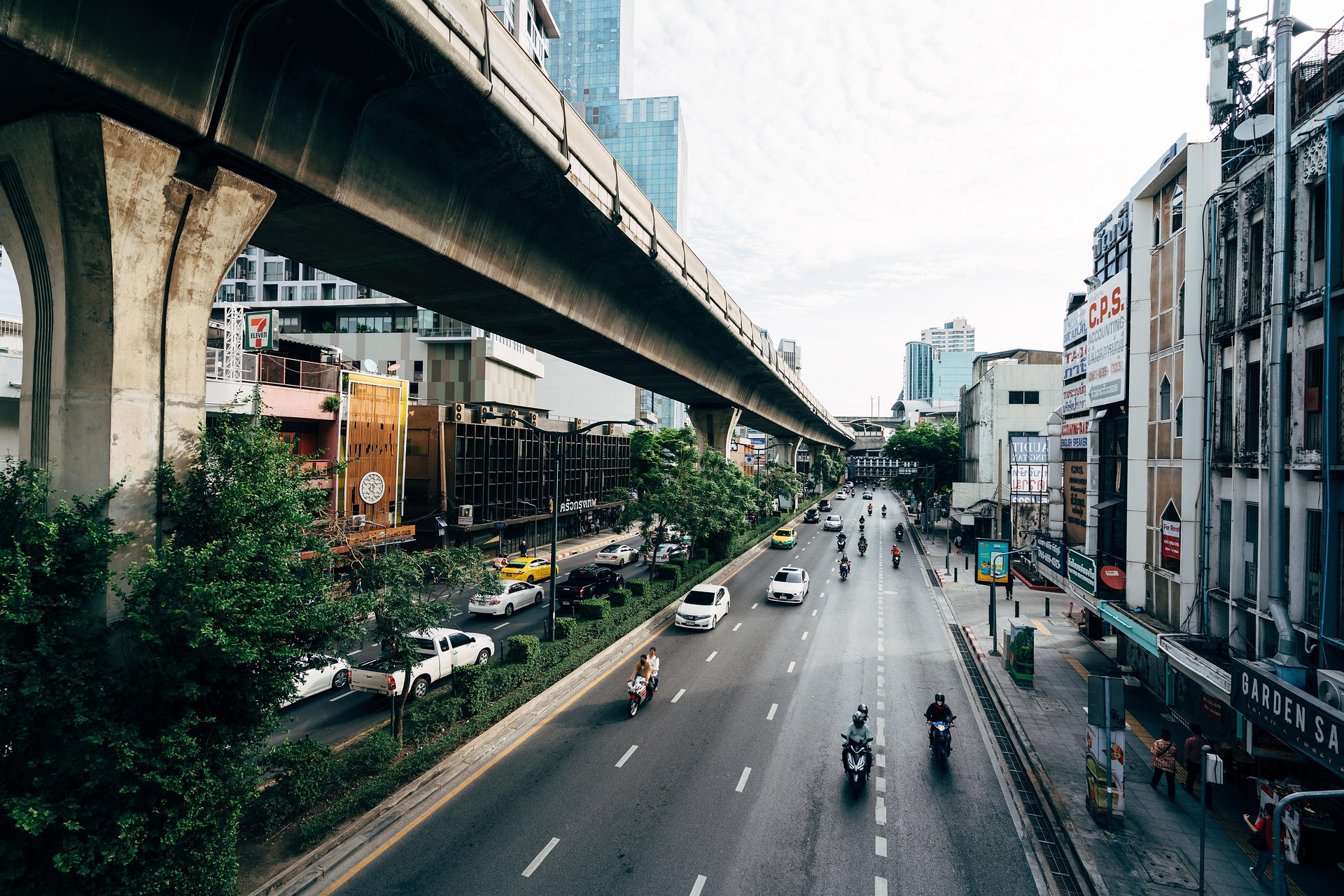
For many of us in Singapore, Thailand is a familiar place. We holiday there regularly for its pristine beaches, affordable accommodation and amazing food options.
It’s also relatively well-connected and easy to settle into for a few weeks or months at a time. Given that remote work is now firmly part of how many people earn a living, it’s no surprise that spending an extended period working from Thailand is a real possibility for a lot of people.
Until recently, the legal side of doing this was murky. Tourist visas were never designed for remote work, even if enforcement was often lax.
That changed with the introduction of the “Destination Thailand Visa”, often referred to as the DTV, which finally gives remote workers, freelancers and digital nomads a clearer framework for longer stays in the country without worries about overstaying on a tourist visa.
If you’re a Singaporean thinking about basing yourself in Thailand and working remotely, here is how the DTV actually works, and what you should consider before applying.
Why Thailand Introduced The DTV
Thailand has always attracted long-stay visitors, but the government has become increasingly aware that remote workers bring a different kind of economic value that’s much stickier.
They rent apartments, spend locally, and tend to stay longer than short-term tourists. At the same time, many of these workers do not compete directly with the local labour market because their income comes from overseas.
The DTV was designed to formalise this group of remote workers and is meant for people who can support themselves financially while staying in Thailand for extended periods, without needing to take up local employment.
This fills a gap between short-stay tourist visas and far more complex long-term options like the Thailand Elite Visa, which is expensive and offers stays of up to 20 years.
What Exactly Is The “Destination Thailand Visa”?
The DTV is a long-stay visa that allows eligible foreigners to live in Thailand for extended periods while working remotely for overseas employers or clients.
We should be clear that it is not a work permit, and it does not allow you to take up employment with a Thai company. What it does do is acknowledge the reality of location-agnostic work.
In practical terms, the visa offers a 5-year multiple-entry validity and grants a stay of up to 180 days per entry.
Depending on how it is issued, it may allow multiple entries over a longer validity period, giving you the flexibility to leave and re-enter Thailand without having to reset your status.
For Singaporeans used to visa-free short stays, the main appeal will be stability. You are no longer counting days or planning visa runs just to remain compliant with Thai immigration laws.
Who Is Eligible For The Visa?
The eligibility criteria are relatively straightforward, especially compared with traditional work visas. The Thai authorities are primarily concerned with two things: 1) your ability to support yourself financially, and the 2) nature of your work.
In general, you need to show that you are working remotely for a company based outside Thailand, or that you are a freelancer or business owner with overseas clients.
This applies neatly to many Singaporeans who are employed by regional or global firms, run online businesses, or earn income through consulting and content creation.
Financially, you are expected to demonstrate a reasonable level of income or savings. Thresholds can vary, but the overall intent of these checks is to ensure you are not relying on local employment or becoming a burden on public services in Thailand.
Bank statements, employment contracts, or proof of ongoing freelance income are commonly used to support the fact that you have sufficient funds/income.
How Long Can You Stay In Thailand?
One of the most attractive features of the Destination Thailand Visa is the length of stay. Each entry typically allows you to remain in Thailand for up to 180 days, which is significantly longer than the standard tourist visa or visa-free entry.
However, do take note that the 180-day stay is extendable once (so 180 + 180 = 360 days) before you need to re-enter and reset the 180-day period.
For someone based in Singapore, all this opens up interesting possibilities. You could spend half the year working remotely in Thailand, return home for work or family commitments, and then come back without having to restart the application process each time.
It also makes it easier to settle into a proper routine. Renting longer-term accommodation, enrolling children in short-term programmes, or committing to co-working spaces becomes much more viable when you are not operating on a 30- or 60-day clock.
What Kind Of Work Is Allowed?
This is where many people still get confused. The DTV allows you to work remotely, but only for entities outside of Thailand. You cannot legally take a job with a Thai company, offer services to Thai clients, or earn income that is sourced locally.
For most Singaporeans considering this visa, that is not an issue. If your salary is paid by a Singapore-based employer, or your freelance clients are overseas, you are situated within the intended use of the visa.
It is also worth mentioning that the visa does not replace a Thai work permit. If your situation changes and you plan to work locally, you will need to transition to a different visa category.
Tax Considerations Are Important
Visa status and tax residency are not the same thing, but they are closely related. Spending long periods in Thailand can potentially trigger Thai tax residency, depending on how many days you are physically present and how your income is structured.
Thailand has been tightening its approach to foreign-sourced income in recent years, particularly when it is remitted into the country.
While Singaporeans often benefit from Singapore’s territorial tax system, that does not automatically protect you from tax obligations elsewhere.
Before committing to long stays under the DTV, it is sensible to consider where your income is paid and held, and whether any portion is brought into Thailand. If you’re earning a quite significant income, then consulting a tax professional in Singapore could be worth the money.
Application Process In Practice
Applying for the Destination Thailand Visa is generally done through Thai embassies or consulates outside Thailand. For Singaporeans, this usually means applying while still in Singapore, rather than trying to convert after arrival.
The process involves submitting documentation that proves your identity, financial standing, and remote work arrangements. Processing times typically take 1 to 3 weeks, but compared with other long-stay visas, it is relatively straightforward.
Is The DTV Worth It For Singaporeans?
Whether the Destination Thailand Visa makes sense depends on how you plan to use it. If you are simply looking for a few weeks away from Singapore, a visa-free entry is still sufficient.
But if you are considering spending months at a time working remotely in Thailand, the DTV offers peace of mind.
It allows you to plan your life with more certainty, rather than constantly monitoring whether you might potentially be overstaying your visa.
Subscribe To The DollarsAndSense Business Pass
Enjoy what you are reading and want more? Join The DollarsAndSense Business Pass and unlock access to valuable tools, exclusive networking opportunities, and tap into the wisdom of industry experts to fuel your business expansion!