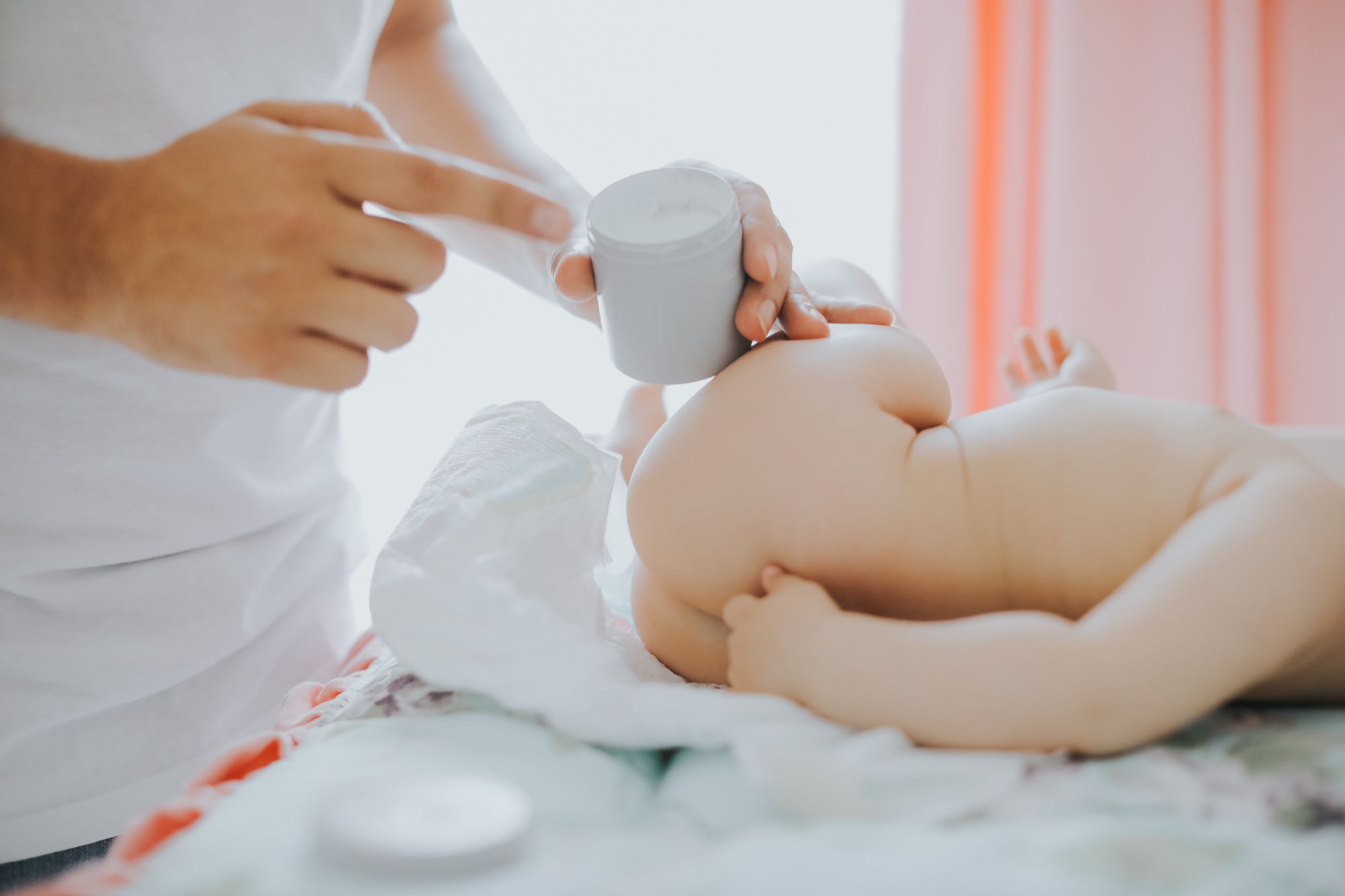
The Shared Parental Leave scheme has been used as a way for working fathers to take more time off work to share parental responsibilities for their newborn. This is because working fathers can apply to share between 1 to 4 weeks of their wives’ 16-week Government-Paid Maternity Leave (GPML) or 12-week Adoption Leave for Mothers (AL) – with their wives’ acceptance.
This increased the time-off working fathers can take to spend with their babies to up to 8 weeks. The time-off comprises 2 weeks of mandatory Government-Paid Paternity Leave (GPPL), up to 2 weeks of voluntary Government-Paid Paternity Leave, and up to 4 weeks from the Shared Parental Leave scheme.
The government will reimburse employers for up to all 8 weeks that working fathers take off work. Moreover, fathers (and mothers) with newborns are also entitled to 6 days of Government-Paid Childcare Leave (GPCL), as well as 12 days of unpaid infant care leave, each year.
Announced at the National Day Rally 2024, by new Prime Minister Lawrence Wong, from 1 April 2025, the Shared Parent Leave scheme will get a facelift. No longer will it be only for working fathers to eat into working mothers’ Maternity Leave.
Instead, the new and improved Shared Parental Leave will provide 10 additional weeks of shared leave – on top of individual Maternity Leave and Paternity Leave – that can be shared between working mothers and fathers.
This means working mothers can take up to 26 weeks or nearly 6 months of time off from work – using 16 weeks of Maternity Leave and 10 weeks of Shared Parental Leave. Similarly, working fathers may take up to 14 weeks of time off work if they consume the entire Shared Parental Leave allocation.
This new scheme will be rolled out in 2 stages from 1 April 2025 – where 6 weeks of Shared Parental Leave will be offered. The following year, on 1 April 2026, the remaining 4 weeks of Shared Parental Leave will take effect.
All 10 weeks of additional Shared Parental Leave will be paid for by the Government.
Read Also: Guide To Understanding How Government-Paid Paternity Leave Works in Singapore
Who Is Eligible For Shared Parental Leave?
Employees who are working fathers, and mothers from 1 April 2025, (including those who are self-employed) can apply for Shared Parental Leave if 1) their newborn is a Singapore Citizen, 2) the child’s mother qualifies for Government-Paid Maternity Leave (under the existing scheme), and 3) they are lawfully married.
There is no minimum employment duration (including being on probation) for working fathers or mothers (from 1 April 2025) to be eligible for Shared Parental Leave.
For now, working fathers can only apply if they have agreement from their wives to share part of the Government-Paid Maternity Leave. Mothers can make this election via the Share My Leave eService in the Government-Paid Leave Portal using her Singpass.
An employee who is a working father must submit a declaration form with supporting documents. Businesses can use the template form SPL1 or their own forms or systems. This form has to be kept for 5 years from your employee’s last Shared Parental Leave date. You have to verify that the employee’s wife has made the relevant declaration on the Government-Paid Leave Portal.
In the unfortunate situation that the child’s mother passes away before electing to share her Government-Paid Maternity Leave or in the situation of a stillbirth (on or after 1 Nov 2021), working fathers will still be eligible for Shared Parental Leave.
Like other related schemes, Shared Parental Scheme also becomes eligible for working fathers if their child becomes a Singapore Citizen within 12 months from their date of birth.
When Do Fathers Have To Take Their Shared Parental Leave?
The current Shared Parental Leave arrangement is for working fathers to take time off in a continuous stretch within 12 months after the birth of the child. The start date cannot be earlier than the child’s date of birth. This arrangement does not require employers to provide agreement.
However, with mutual agreement from both employers and the working father employee, Shared Parental Leave can be used flexibly within 12 months after the birth of the child.
Once allocated, Shared Parental Leaves that are not used cannot be encashed in any way or returned to the mother.
Again, from 1 April 2025, both working mothers and fathers will be eligible for additional Shared Parental Leave.
How Much Can Employers Claim From The Government For Shared Parental Leave?
Since 1 July 2017, workers fathers have been eligible for up to 4 weeks of Shared Parental leave, capped at $2,500 per week – for a total of $10,000 for the maximum 4-week period. This figure includes CPF contributions.
For those taking Shared Parental Leave flexibly, the daily reimbursement rate is $2,500/(no. of working days a week). Employers can use the Government-Paid Leave Calculator to estimate the amount of reimbursement they are eligible for.
These reimbursements will be made depending on the personal taking the leave. This means that it does not matter how much the mother is earning, the working father will be paid his salary when he takes Shared Paternity Leave.
While employers have to continue paying their employee’s salary normally, they do not have to pay more than the weekly $2,500 rate (inclusive of CPF). Of course, employers can do so voluntarily.
As an employer, you need to submit your claim for reimbursement online via the Government-Paid Leave Portal after they have consumed their Shared Parental Leaves. This must be done no later than 3 months after the last date of your employee’s Shared Parental Leave. A notification will be sent to you after the application is processed.
Employers Should Encourage Working Fathers To Take Time Off
As an employer, you should champion your employees’ parenthood journey. This will create a more conducive working environment, and build a layer of trust with your employees. You will also be doing Singapore a favour, with the Total Fertility Rate plunging to an all-time low of 0.97 in 2022.
On the MOM website, it is stated that there is no legal requirement for a notification period for Shared Parental Leave. Employees are expected to adhere to applications similar to annual leaves.
However, Shared Parental Leaves can be for up to an additional 10 weeks, and on top of Maternity Leave and/or Paternity Leave. A closer working relationship with your employees will also foster more open sharing so that your business does not suffer from the extended leave period without adequate cover.
Your employees will be more open to discussing Shared Parental Leave options if that is what benefits both parties. They will also inform you earlier so that you can make necessary arrangements that minimise disruptions at work.
Naturally, employers should expect working spouses with a stay-at-home spouse to apply for the entire allocation of up to 10 weeks of Shared Parental Leave.
Read Also: 10 Things Employers Need To Know About The Government Paid Childcare Leave (GPCL)
Subscribe To The DollarsAndSense Business Pass
Enjoy what you are reading and want more? Join The DollarsAndSense Business Pass and unlock access to valuable tools, exclusive networking opportunities, and tap into the wisdom of industry experts to fuel your business expansion!


