On 26 August 2021, NTUC announced in a news release that it has four key recommendations to address PME’s job concerns. They are:
#1 workplace discrimination due to ageism
#2 providing support to those involuntarily unemployed, particularly the older workers
#3 ensuring more hiring opportunities for mature workers
#4 supporting PMEs with skills upgrading to help them progress in their careers
According to NTUC, these focus areas are “based on findings from engagements that NTUC conducted with over 9,000 PMEs since October 2020”. Unsurprisingly, these focus areas are also targeted at older groups of workers in Singapore. COVID-19 has amplified disruptions and accelerated changes in skills required in employees.
Singapore Employers No Strangers To Schemes Favouring Older Workers And Promoting Skills Development
Most employers would be familiar with the government’s support for hiring older employees. There are many schemes currently already available, but some of the freshest in our minds would be those given in the aftermath of COVID-19. This includes the Jobs Growth Incentive (JGI) – providing 50% salary support for workers above 40 for up to 18 months, while it only provides 25% salary support for workers below 40 for up to 12 months.
Read Also: Guide To Understanding The Jobs Growth Incentive (JGI) For Companies Hiring Local Workers
Singapore employers would also not be a stranger to schemes targeting skills enhancement for their employees. For individuals, SkillsFuture credits encourages employees and even entrepreneurs themselves to pick up relevant skills by offsetting course fees.
Employers too can tap on up to $10,000 in SkillsFuture Enterprise Credits (SFEC) to put towards upskilling or reskilling their employees.
Even in broad industry schemes, such as the Progressive Wage Model (PWM), the focus on increasing salaries is married to skills development.
Read Also: Building Your Skills Passport: What Is This Feature In The MySkillsFuture Portal?
But What About “Providing Support To Those Involuntarily Unemployed”?
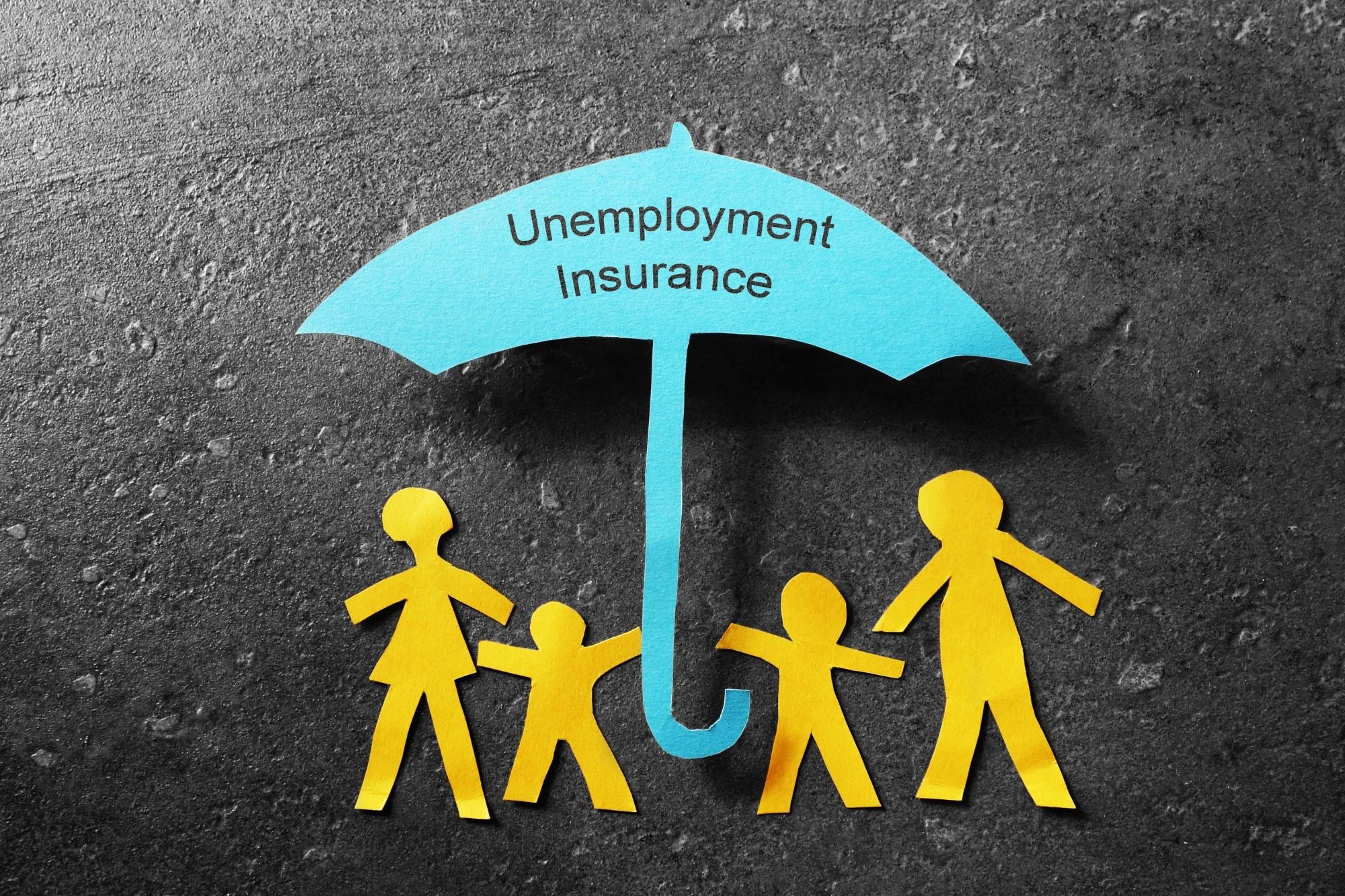
One of the points among the four recommendations may not be as familiar though. Point #2 on providing unemployment benefits sounds like in could be or incorporate unemployment insurance.
For example, in explaining unemployment benefits, Investopedia does not differentiate it with unemployment insurance. It describes unemployment insurance as “state-provided insurance that pays money to individuals on a weekly basis when they lose their job and meet certain eligibility requirements”. And goes on to state that “those who either quit their jobs or were fired for a just cause are not eligible”.
While the definition is from a western perspective – because of the wages paid only a weekly basis – the concept is to provide unemployment insurance only for those who are retrenched.
In Singapore, we already have an advisory on managing excess manpower and responsible retrenchment. Parts of it are mandatory, while most of it is not. One that is not mandated by law is to provide retrenchment benefits.
An unemployment insurance scheme in Singapore will take this requirement out of the employer’s hands. However, there will be pros and cons – as with any scheme.
Read Also: MOM Responsible Retrenchments – Guideline For Companies To Be Fair And Decent
Benefits Of An Unemployment Insurance Scheme In Singapore
A formal unemployment insurance scheme will take the uncertainty of a payout out of the equation. Eligible workers who lose their jobs – regardless of whether the employer can afford it or want to pay it – will receive unemployment benefits.
This will help workers maintain an appropriate level of lifestyle and significantly reduce their individual and family stress while seeking re-employment. Without it, families will drain their emergency savings and potentially significantly reduce their ability to continue servicing their home loans and other financial responsibilities in the short-term – which will lead to an even worse outcome in their personal lives. With less stress, workers can also find jobs that better fit their skillsets rather than be forced to accept the first job offer.
Another benefit, perhaps even for the country, is that during a financial downturn such as the one we faced in 2020 due to COVID-19, the government can rely on unemployment insurance to provide protection for mass retrenchments. The country will also not suddenly see a huge fall in consumption as workers continue to receive a level of support.
Startups could also benefit has many workers tend to associate a higher level of risk when working for newer companies. While this may be entirely untrue – it may help younger companies compete for talent more effectively. Startups are usually quite important to the economy as they may be in frontier business sectors.
For the government, it would also be a plus as most developed countries already have some form of unemployment benefits. They would also not be blindly creating a scheme with many samples they can take reference from.
Disadvantages Of Unemployment Insurance
The main disadvantage is that someone has to pay for the scheme. If it’s the employers, this money will be another drain on company finances. It may also simply come out of an employee’s salary. If it’s the employees who have to pay for it – it is also a reduction in salaries.
With unemployment insurance, there could also be instances of employees taking longer than necessary to find employment again. Most unemployment insurance tend to provide payout for a period of time, and employees may be less motivated to find a job and instead “enjoy” the full unemployment period before going back to work. This may raise Singapore’s unemployment rate – a number that has been traditionally quite low.
There will also spark a debate regardless of what the scheme is. Whether the scheme provides a sufficiently long period of time for employees to find work. Whether the scheme provides a sufficient level of payout for those retrenched. Whether the scheme is too expensive.
Usually unemployment insurance excludes those who quit or are fired. What about employees who quit because of workplace discrimination or unfair practices? What about those who are retrenched but it is disguised as a firing?
Knowing that there is support, employers could also be more willing to retrench rather than hold on to their employees.
Read Also: 3 Ways To Overcome Hiring Challenges (As Recommended By MOM): Jobs Situation Report (19th Edition)
Subscribe To The DollarsAndSense Business Pass
Enjoy what you are reading and want more? Join The DollarsAndSense Business Pass and unlock access to valuable tools, exclusive networking opportunities, and tap into the wisdom of industry experts to fuel your business expansion!